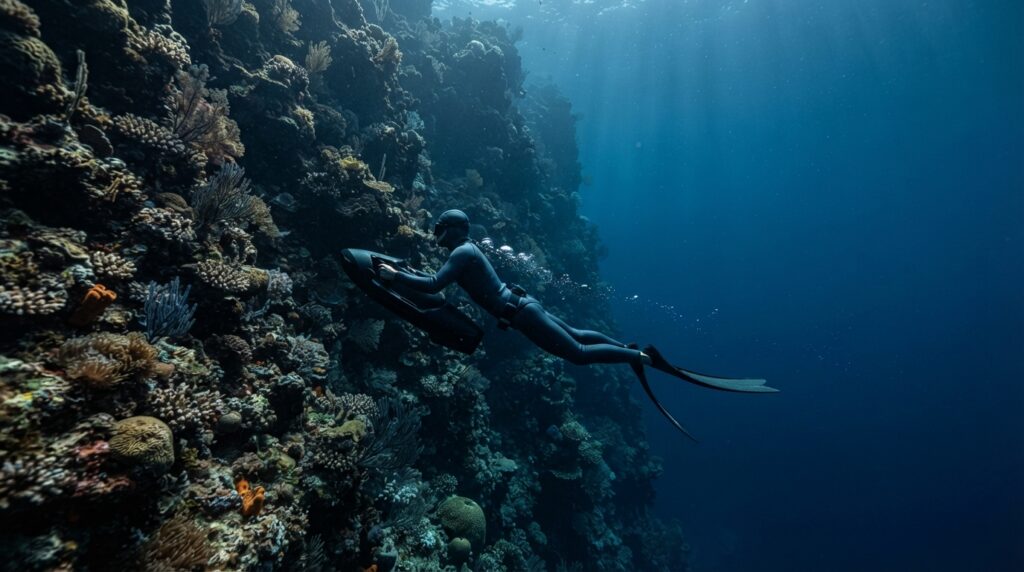

Underwater exploration has always involved a trade-off between capability and physical limitation. Whether snorkelling along a reef or diving deeper offshore, movement beneath the surface depends on a combination of swimming ability, endurance, and environmental conditions. Even experienced divers are constrained by energy consumption, air supply, and the physical demands of sustained movement.
Underwater scooters—commonly referred to as diver propulsion vehicles (DPVs)—have emerged as a practical solution to these limitations. While often perceived as optional accessories, they play a much more significant role in improving efficiency, safety, and overall experience.
In Australia, where underwater environments are both extensive and varied, these benefits are particularly relevant. From coral reefs to coastal waters and inland systems, underwater scooters allow users to explore more effectively while reducing fatigue and improving safety outcomes.
This article provides a detailed examination of how underwater scooters enhance diving and snorkelling, focusing on real-world application rather than theoretical advantages.
The Challenge of Movement Underwater
Physical Resistance
Water is significantly denser than air. As a result:
- movement requires more effort
- energy consumption increases rapidly
- efficiency becomes critical
Limitations of Swimming Alone
Even with fins, swimmers face:
- fatigue over distance
- reduced efficiency in currents
- limited range
Impact on Exploration
These factors restrict:
- how far users can travel
- how long they can remain active
- how much of an environment they can explore
How Underwater Scooters Address These Challenges
Propulsion Assistance
Underwater scooters provide:
- consistent forward thrust
- reduced reliance on physical effort
Energy Conservation
By reducing physical exertion:
- divers conserve energy
- snorkellers extend their time in the water
Improved Efficiency
Movement becomes:
- smoother
- more controlled
- less tiring
Extending Range and Exploration
Distance Capability
Without propulsion:
- range is limited by endurance
With scooters:
- users can travel significantly further
Exploration Benefits
This allows:
- access to larger areas
- deeper exploration
- more comprehensive experiences
Australian Example
On reef systems, scooters enable:
- extended viewing of marine life
- reduced time pressure
Reducing Fatigue and Improving Endurance
Physical Impact
Continuous swimming:
- drains energy
- reduces performance over time
Scooter Advantage
- lowers physical demand
- maintains consistent energy levels
Outcome
Users experience:
- longer sessions
- improved enjoyment
- reduced exhaustion
Safety Improvements
Faster Return Capability
In situations where conditions change:
- scooters allow quick return to safety
Assistance in Currents
Scooters help:
- counter mild currents
- maintain position
Emergency Scenarios
In case of fatigue:
- propulsion reduces risk
Improved Control and Navigation
Movement Precision
Scooters allow:
- controlled direction
- stable movement
Navigation Benefits
- easier route planning
- reduced drift
Applications Across User Types
Snorkellers
- improved mobility
- reduced effort
Recreational Divers
- extended range
- better efficiency
Professional Divers
- increased productivity
- reduced fatigue
Environmental Suitability
Best Conditions
- calm to moderate water
- clear visibility
Limitations
- strong currents
- highly confined areas
Australian Context
Australia’s underwater environments include:
- coral reefs
- coastal waters
- inland waterways
Implication
Underwater scooters are highly suited to:
- Australian conditions
- diverse applications
Commercial and Tourism Use
Guided Experiences
Scooters enhance:
- tour quality
- customer engagement
Resort Operations
- premium activity
- added value
Cost vs Benefit Perspective
While scooters require investment, they provide:
- increased usability
- improved safety
- enhanced experience
Conclusion
Underwater scooters significantly improve diving and snorkelling by increasing efficiency, extending range, and enhancing safety. For Australian users, they offer a practical way to maximise time and experience in the water while reducing physical strain.