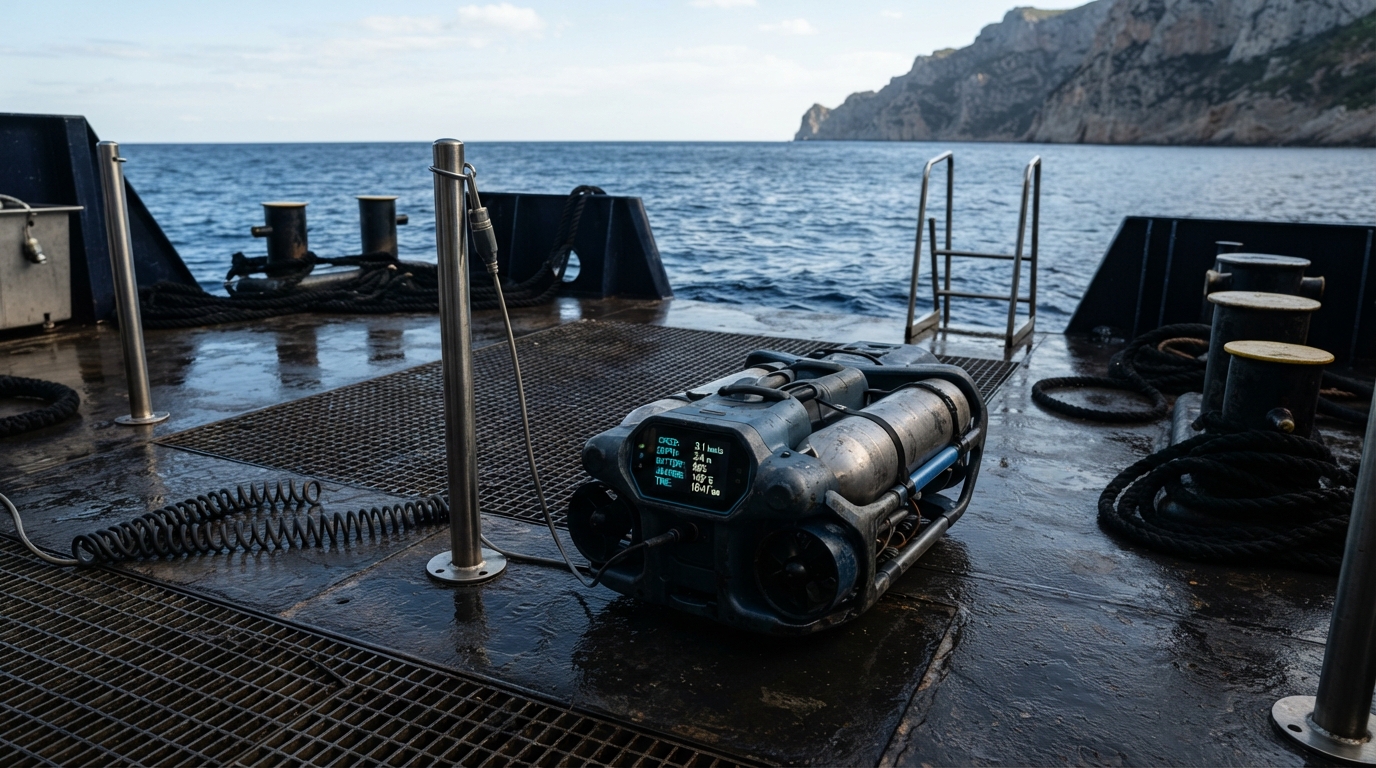
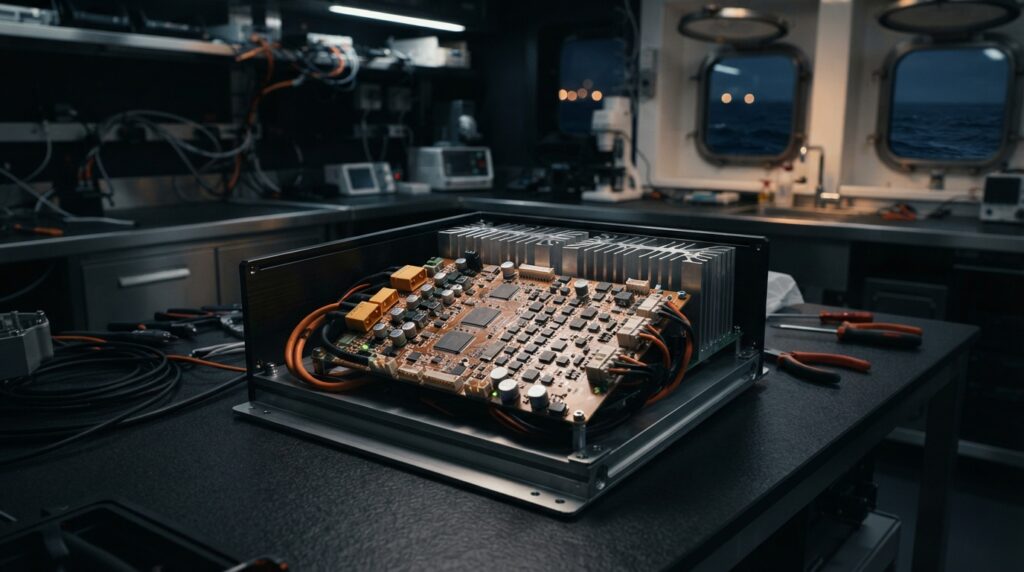

Lithium battery systems sit at the very core of modern electric watercraft. Whether powering mini jet boats, electric surfboards, e-foils, underwater scooters, or rescue devices, battery performance determines not only how long a device runs but how reliably it performs over time. Yet despite their importance, battery lifespan remains one of the most misunderstood aspects of ownership.
Many users assume a battery will simply “last a few years” without fully understanding what governs that lifespan. In reality, battery life is not fixed. It is dynamic and heavily influenced by how the battery is used, charged, stored, and exposed to environmental conditions.
In Australia, this becomes even more critical. Heat, storage habits, irregular usage patterns, and coastal exposure can all accelerate degradation if not properly managed. On the other hand, disciplined handling can significantly extend battery life—often well beyond expectations.
This article provides a detailed, experience-based explanation of lithium battery lifespan, focusing on what actually affects it and how users can maximise performance over time.
What Battery Lifespan Really Means
Battery lifespan is not simply about how long a battery exists—it is about how long it remains usable at an acceptable performance level.
Two Key Measures of Lifespan
- Cycle Life
- Number of charge/discharge cycles a battery can complete
- Typically measured in hundreds to thousands of cycles
- Calendar Life
- How long a battery lasts over time regardless of use
The Reality
A battery does not suddenly fail—it gradually:
- loses capacity
- delivers less power
- reduces run time
The Most Important Factor: Charge Cycles
Every time a battery is used and recharged, it undergoes a cycle.
Full vs Partial Cycles
- A full cycle = 100% usage
- Two 50% uses = one full cycle
Impact on Lifespan
More cycles = gradual wear
However:
- partial cycles are far less damaging than full discharge cycles
Best Practice
- Avoid running batteries to zero
- Recharge before deep discharge
Depth of Discharge – A Critical but Overlooked Factor
What It Means
Depth of discharge refers to how much of the battery is used before recharging.
Impact
- Deep discharge (0–100%) → high stress
- Partial discharge (30–70%) → lower stress
Real-World Example
Using only 60% of battery capacity regularly can:
- significantly extend lifespan
- maintain consistent performance
Temperature – The Biggest Killer of Battery Life
Why Heat Matters
Lithium batteries are highly sensitive to temperature.
High heat:
- accelerates chemical breakdown
- increases internal resistance
- shortens lifespan
Australian Conditions
This is where many users get caught out.
Common mistakes:
- leaving batteries in vehicles
- storing in garages without ventilation
- charging in direct heat
Best Practice
- store between 10°C–25°C where possible
- avoid direct sunlight
- never charge immediately after heavy use in heat
Charging Habits – Where Most Damage Occurs
Incorrect Charging Behaviour
- overcharging
- leaving battery at 100% for long periods
- using incorrect chargers
Correct Charging Behaviour
- charge to 80–90% when possible
- avoid constant full charge storage
- use manufacturer-approved chargers
Key Insight
Battery lifespan is often determined more by charging habits than usage.
Storage – The Silent Degradation Factor
Short-Term Storage
If not using for days/weeks:
- store at ~50–70% charge
Long-Term Storage
If not using for months:
- avoid full charge
- check battery every 4–6 weeks
What Happens If Ignored
Poor storage leads to:
- irreversible capacity loss
- unstable performance
Usage Patterns – Frequent vs Occasional Use
Frequent Use
Surprisingly beneficial:
- keeps battery active
- maintains chemical stability
Occasional Use
More damaging if unmanaged:
- batteries sit unused
- degrade without cycling
Best Approach
Even if not used:
- cycle battery periodically
Saltwater and Environmental Exposure
Why It Matters
Salt exposure:
- affects seals
- introduces corrosion risk
Indirect Impact on Battery
- compromised seals → moisture ingress
- moisture → battery instability
Best Practice
- rinse equipment after use
- inspect seals regularly
Device-Specific Impact on Battery Life
Mini Jet Boats
- high energy demand
- heavy load on battery
E-Foils
- more efficient after lift
- balanced energy use
E-Surfboards
- continuous surface resistance
- higher energy consumption
Underwater Scooters
- affected by water resistance and depth
RCRBs
- low usage but must remain reliable
Signs Your Battery Is Degrading
Watch for:
- reduced run time
- slower power delivery
- excessive heat
- inconsistent performance
Important
Do not ignore early signs—this is when action matters most.
How to Extend Battery Life – Practical Checklist
- Avoid full discharge
- Avoid constant 100% charge storage
- Keep battery cool
- Use correct charger
- Store at mid-charge
- Cycle periodically
- Inspect regularly
Commercial Considerations
For operators:
- battery management is critical to profit
- poor practices = early replacement cost
The Financial Impact
Battery replacement is:
- the single biggest long-term cost
Extending lifespan by even 30–40%:
- significantly improves ROI
Final Perspective
Battery lifespan is not fixed—it is controlled.
Most failures are not due to manufacturing defects, but:
- poor charging habits
- heat exposure
- improper storage
Conclusion
Understanding lithium battery lifespan is essential for anyone using electric watercraft. By managing charge cycles, temperature, and storage correctly, users can significantly extend battery life, maintain performance, and reduce long-term costs. In Australian conditions, disciplined battery management is not optional—it is the difference between reliable performance and premature failure.