
For most of the past century, watercraft design followed a familiar industrial logic: produce a limited range of models, optimise them for mass manufacture, and expect the market to adapt. Hulls were standardised, propulsion systems fixed, control layouts generic, and performance characteristics averaged to suit “most users most of the time.” That approach made sense when tooling was expensive, materials were inflexible, and propulsion technologies allowed little variation.
That era is now coming to an end.
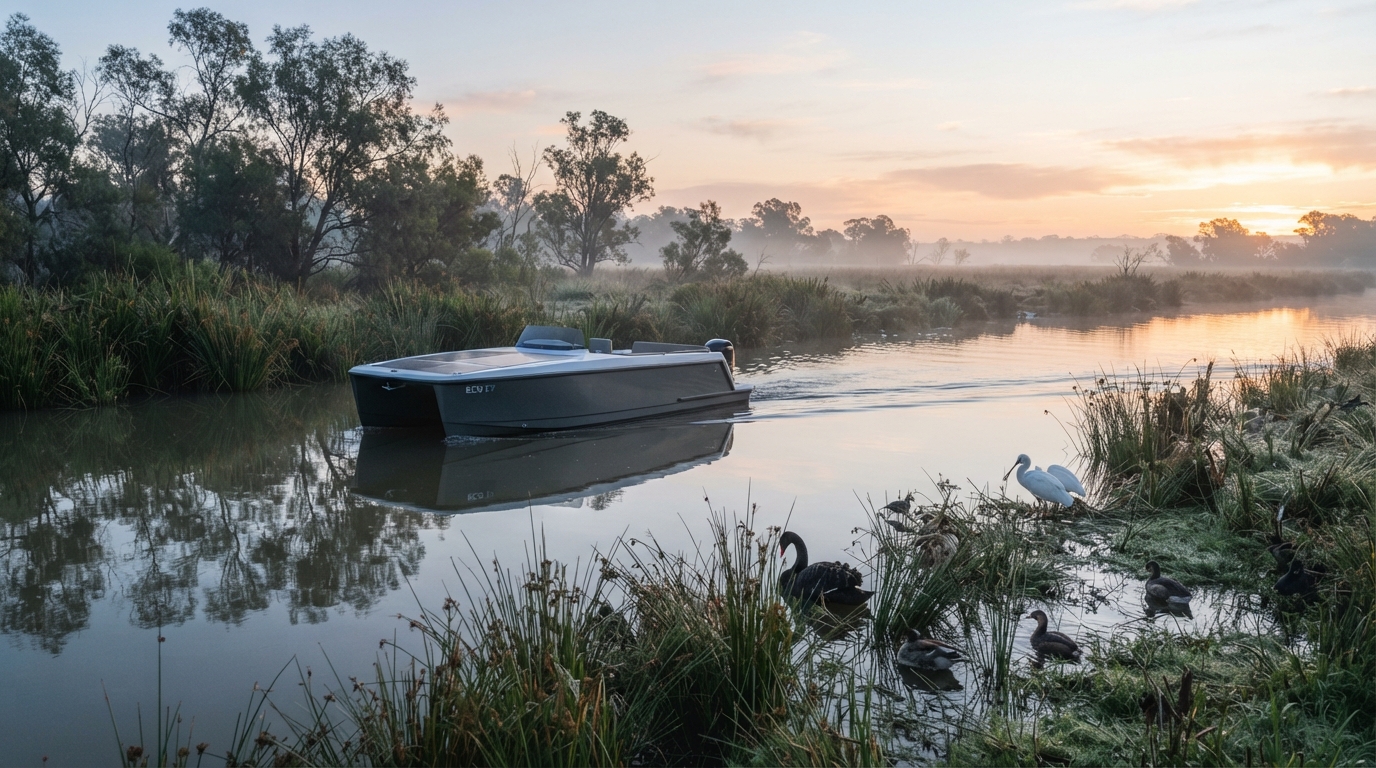
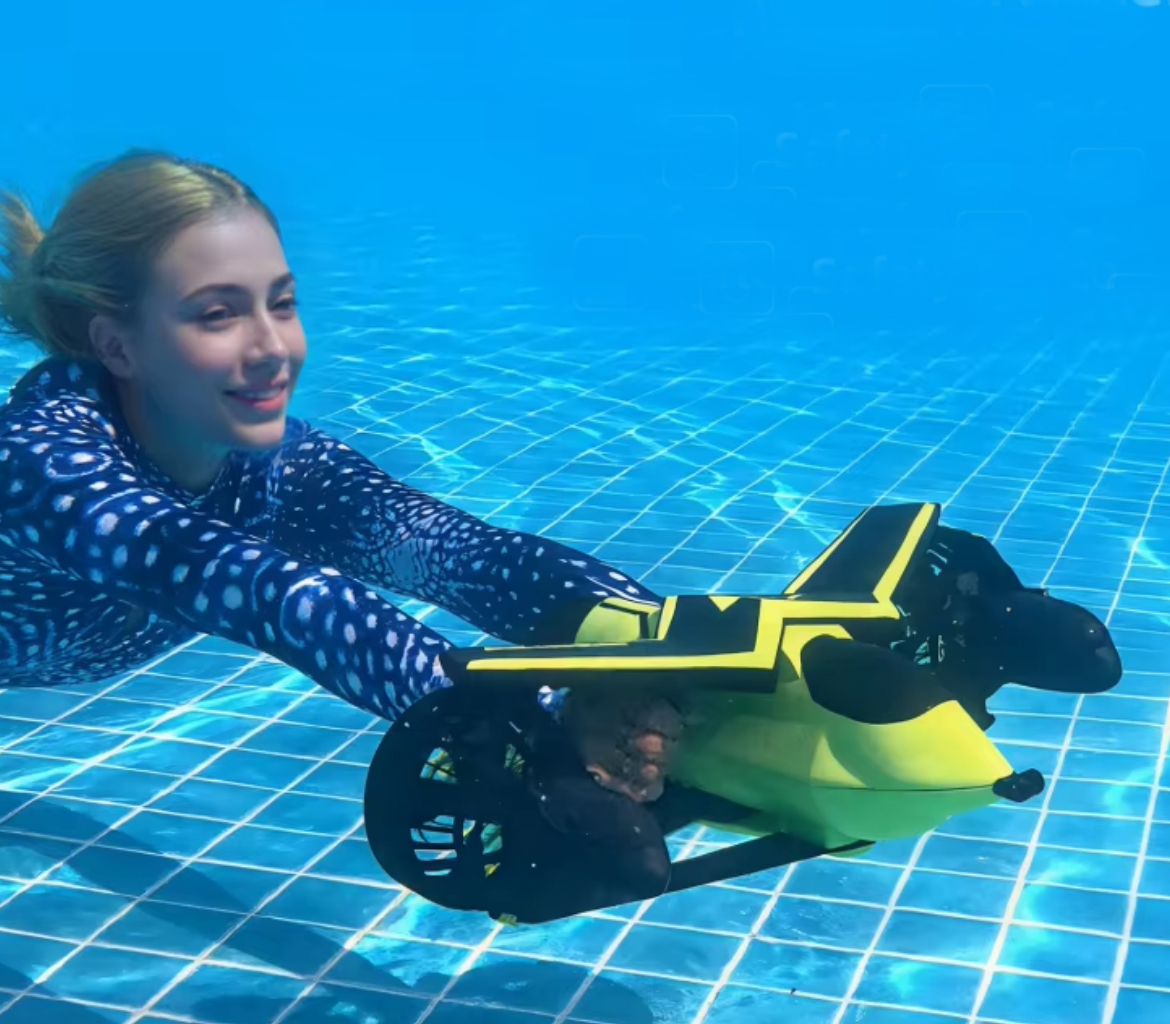
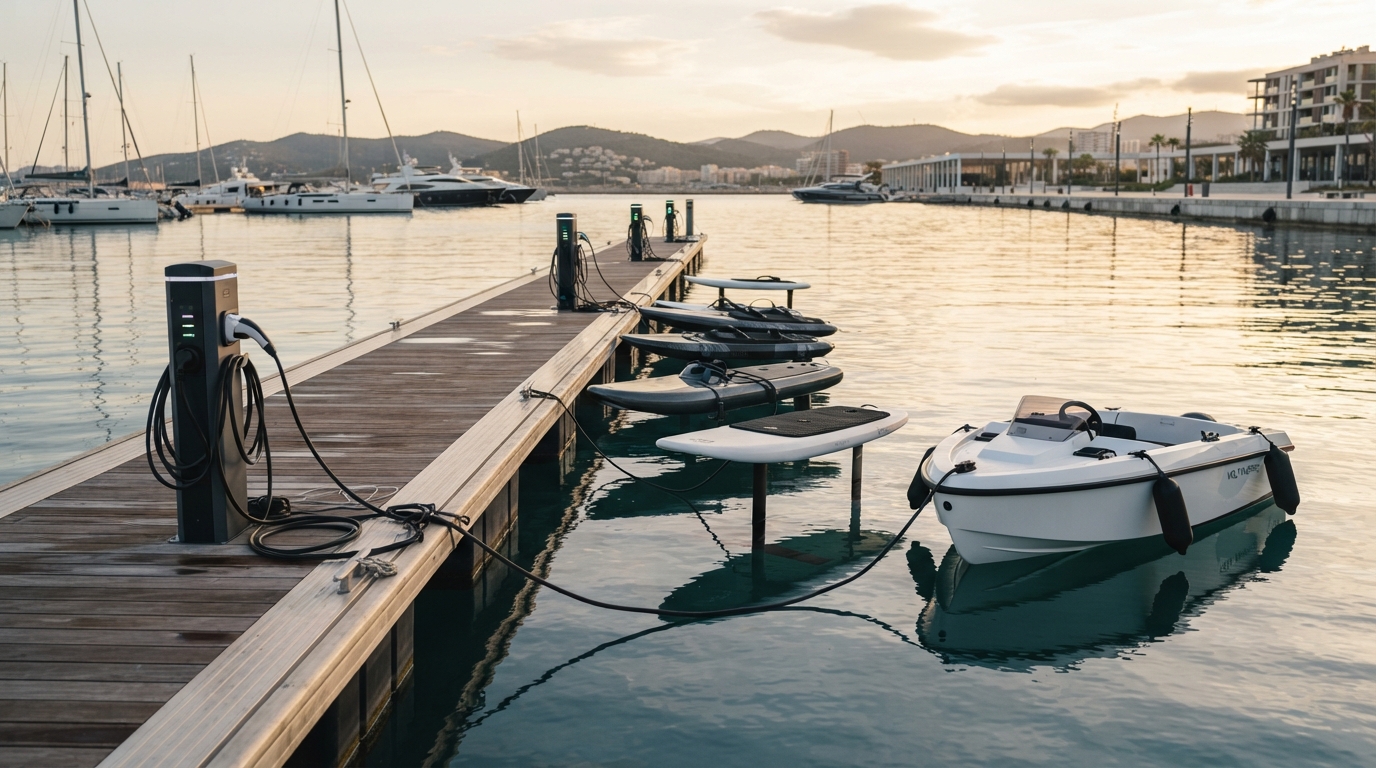
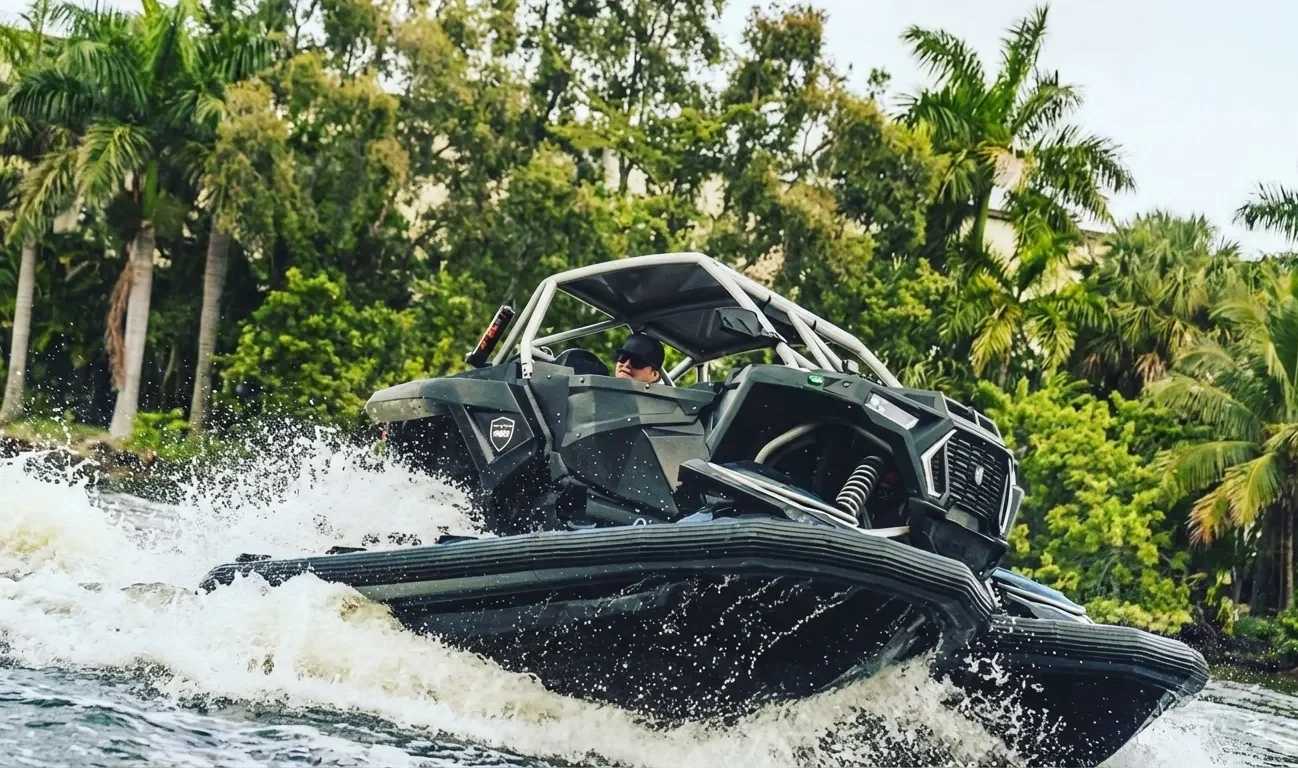
Across every segment of recreational and professional watercraft—personal watercraft (PWC), electric mini jet boats, electric surfcraft, rescue platforms, tenders, and specialist utility craft—the one-size-fits-all model is being replaced by configurable, modular, and purpose-built platforms. This is not a stylistic trend. It is a structural change driven by electrification, software-defined control systems, advanced materials, data-led design, and a fundamental shift in what users now expect from watercraft.
Just as the automotive industry moved from a handful of generic vehicles to highly configurable platforms, watercraft are undergoing the same transformation—only faster, and with fewer legacy constraints holding progress back.
Why one-size-fits-all watercraft dominated for so long
To understand why this shift matters, it helps to understand why standardisation dominated watercraft design for decades.
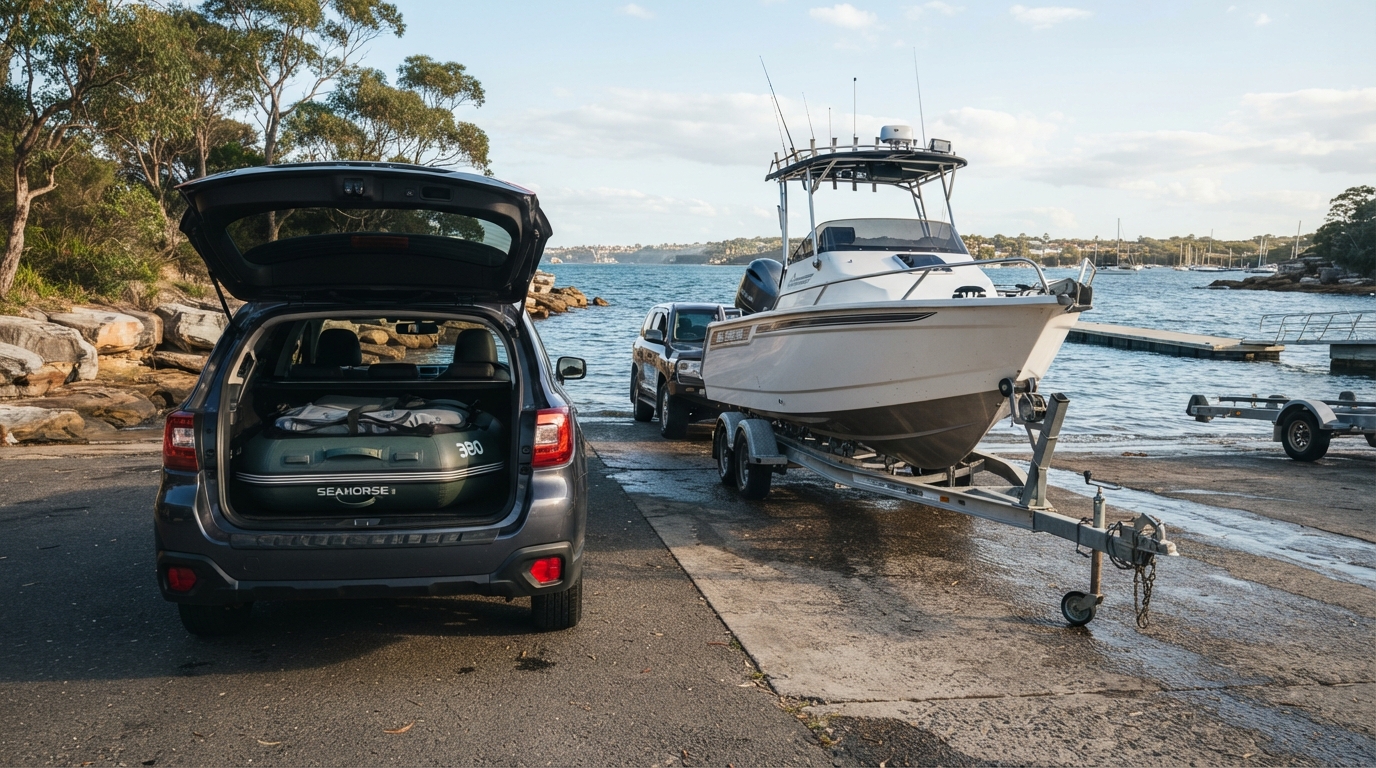
Internal combustion propulsion imposed severe design limitations. Engines were heavy, bulky, vibration-prone, and dependent on fixed layouts for cooling, exhaust routing, fuel storage, and driveline alignment. Hull shapes had to accommodate these mechanical requirements first, leaving limited room for variation without costly redesign.
Manufacturing economics reinforced this rigidity. Fibreglass moulds, metal tooling, and mechanical drivetrains were expensive to produce and difficult to alter. Each variation multiplied capital investment and inventory risk. As a result, manufacturers focused on producing a small number of “average” designs that could be sold to the broadest possible audience.
Consumer expectations were also different. Buyers compared top speed, engine size, and price. Few expected a craft to adapt to their body size, experience level, environment, or intended use. If a watercraft worked reasonably well in most situations, that was considered sufficient.
Electrification has removed almost all of these constraints.
Electrification breaks the design bottleneck
Electric propulsion is the single most important enabler behind the end of one-size-fits-all watercraft.
Electric motors are compact, lightweight, and location-flexible. They do not require exhaust systems, complex transmissions, or large cooling assemblies. Battery systems can be distributed to optimise balance and stability rather than being fixed to a single tank location.
This decouples hull design from propulsion layout. Once that link is broken, hulls can be optimised for specific purposes rather than compromised to suit a generic powertrain.
A single platform can now support multiple motor outputs, different battery capacities, and varied control systems without redesigning the entire craft. Performance characteristics that were once fixed in hardware are now governed by software.
This is why one electric platform can serve as a calm-water recreational craft, a high-torque rescue unit, or a youth training vessel—simply by altering configuration rather than rebuilding from scratch.
Modular platforms replace fixed products
At the heart of this transformation is modularity.
Modern watercraft are increasingly designed as core platforms with interchangeable modules. Hulls, propulsion units, battery packs, flotation systems, control interfaces, and accessory mounts are engineered to integrate seamlessly within a validated system.
Rather than designing dozens of unrelated models, manufacturers now build adaptable platforms that evolve through configuration.
This approach delivers several advantages:
- Faster development cycles
- Lower manufacturing risk
- Easier upgrades over time
- Improved serviceability
- Greater relevance across multiple markets
A modular electric watercraft is not a single product. It is a system capable of serving multiple roles without compromise.
Designing for real users, not average users
One-size-fits-all watercraft assume the existence of an “average user.” In reality, no such user exists.
Watercraft users vary widely in height, weight, strength, balance, experience, and reaction time. They operate in vastly different environments and for very different purposes—recreation, training, patrol, rescue, or utility work.
Designing for the average inevitably underserves everyone.
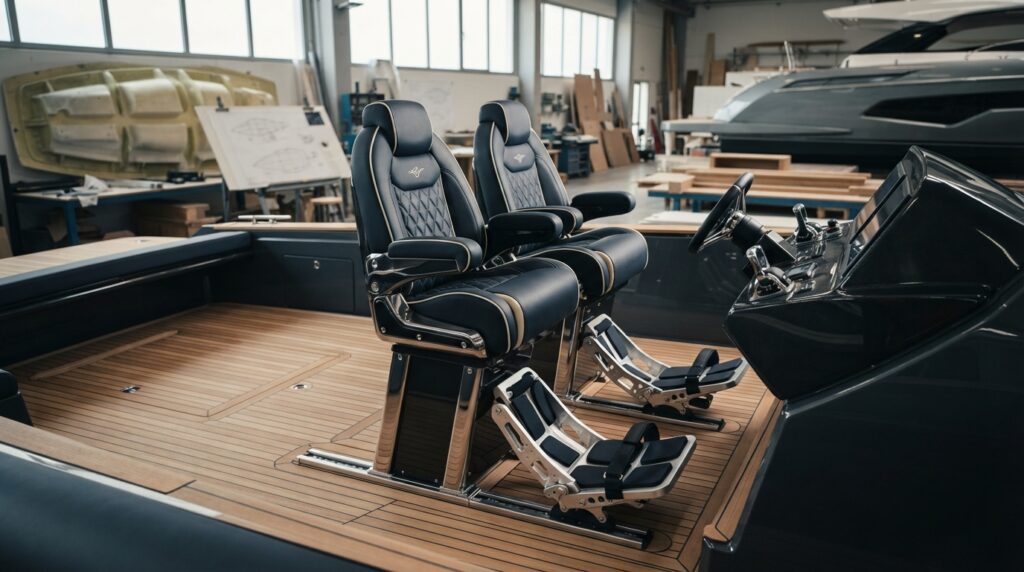
Modern electric platforms allow craft behaviour to be tuned to the individual. Throttle response curves can be softened for beginners or sharpened for professionals. Stability profiles can prioritise confidence or agility. Seating, stance, and control layouts can be adjusted for posture and balance. Range and endurance can be matched to real-world mission requirements rather than theoretical maximums.
This shift places the user at the centre of the design process rather than forcing the user to adapt to the machine.
Environment-specific watercraft become viable
Traditional watercraft were expected to perform everywhere reasonably well and nowhere exceptionally.
Electric modular platforms change that equation.
Calm inland lakes, tidal estuaries, surf zones, rivers, and open coastal waters impose fundamentally different demands on hull shape, buoyancy, torque delivery, and control response. Historically, designing for these niches was commercially risky.
Today, manufacturers can serve environment-specific use cases without excessive cost because core systems remain shared across platforms.
This leads to watercraft that are:
- More efficient in their intended conditions
- Safer under predictable loads
- Easier to control for their target users
- Longer-lasting due to reduced stress
Purpose-built no longer means prohibitively expensive. It means properly engineered.
Professional and institutional demand accelerates change
While recreational buyers drive volume, professional and institutional users drive design discipline.
Rescue services, councils, surf life saving clubs, marinas, and environmental agencies cannot rely on generic solutions. Their requirements are precise, regulated, and mission-critical.
They demand craft that are:
- Fit-for-purpose
- Configurable for specific tasks
- Upgradeable over time
- Predictable in maintenance and operation
- Adaptable to changing regulations
One-size-fits-all watercraft struggle to meet these demands. Modular electric platforms meet them naturally.
As professional adoption increases, manufacturers are forced to design flexibility into their platforms from the outset. Recreational users benefit as a result.
Software defines performance, not just hardware
One of the clearest signs that one-size-fits-all watercraft are becoming obsolete is the rise of software-defined behaviour.
In petrol-powered craft, performance was dictated by engine displacement, gearing, and hull shape. In electric craft, performance is managed by software layers that control torque delivery, power limits, thermal protection, regeneration, and safety overrides.
This allows the same physical craft to behave very differently depending on configuration.
Speed limits can be enforced in sensitive environments. Torque delivery can be moderated for training use. Emergency modes can prioritise endurance over performance. Updates can be deployed without changing hardware.
A fixed-behaviour craft is now a limitation rather than a virtue.
Customisation without sacrificing reliability
Historically, customisation carried risk. Bespoke designs were harder to maintain, more expensive to repair, and difficult to support at scale.
Modern modular design solves this by separating flexibility from core reliability.
Critical systems remain standardised, tested, and certified. Customisation occurs at the interface level—controls, software profiles, battery capacity, accessory fit-out—without compromising the integrity of the platform.
This delivers structured flexibility rather than uncontrolled variation.
The result is a craft that adapts to the user while retaining predictable performance, safety, and serviceability.
Manufacturing economics now favour variety
Modern manufacturing techniques have reversed the economics of standardisation.
Digital design tools, CNC machining, additive manufacturing, and flexible assembly lines allow small-batch variation at minimal cost. Inventory risk shifts from finished goods to shared components that serve multiple configurations.
Electric motors, battery modules, controllers, and structural elements can be reused across product ranges. This reduces per-unit cost while dramatically increasing market coverage.
Variety is no longer a liability. It is a competitive advantage.
Changing consumer expectations
Modern consumers no longer accept generic solutions in other areas of life. They expect personalisation in vehicles, technology, fitness equipment, and even healthcare.
Watercraft are catching up.
Buyers increasingly ask whether a craft can be tailored to their size, local conditions, skill level, and future needs. They expect adaptability, longevity, and relevance over time.
A one-size-fits-all answer is increasingly unacceptable—particularly in the electric and premium segments.
Safety improves through specificity
Contrary to outdated assumptions, safety improves when craft are designed for specific users and tasks.
Beginners require predictable response and stability. Professionals require control authority and rapid intervention capability. Rescue operators require redundancy and endurance. Environmental officers require quiet, precise manoeuvring.
A generic design cannot optimise for all of these simultaneously.
Configurable platforms allow safety systems to be aligned with real-world risk profiles rather than theoretical averages.
Regulatory frameworks are evolving
Regulators are gradually recognising that electric and modular watercraft do not fit neatly into legacy categories.
Platform-based certification—where a core system is approved and variations are assessed within defined limits—is becoming more common. This approach encourages innovation while maintaining safety standards.
Over time, regulation will further undermine the rationale for one-size-fits-all designs.
Strategic implications for manufacturers
Manufacturers who cling to fixed designs will struggle as markets fragment and expectations rise.
Those who invest in flexible platforms, modular engineering, and software capability will gain disproportionate advantage. They will serve more niches, adapt faster, and build longer-term relationships with customers.
The future belongs to systems thinkers rather than single-product manufacturers.
The long-term outlook
Watercraft are becoming platforms rather than static objects. Performance is becoming configurable rather than fixed. Users are becoming participants rather than passive buyers.
One-size-fits-all watercraft will not disappear overnight, but they will retreat to the lowest end of the market—where price matters more than safety, adaptability, or longevity.
At the premium, professional, and future-facing end of water sports, adaptability will define value.
This is not a trend. It is the inevitable outcome of electrification, digital control, and modern manufacturing applied to water.
The age of the average is over.
See More at www.vectorwatercraft.com.au