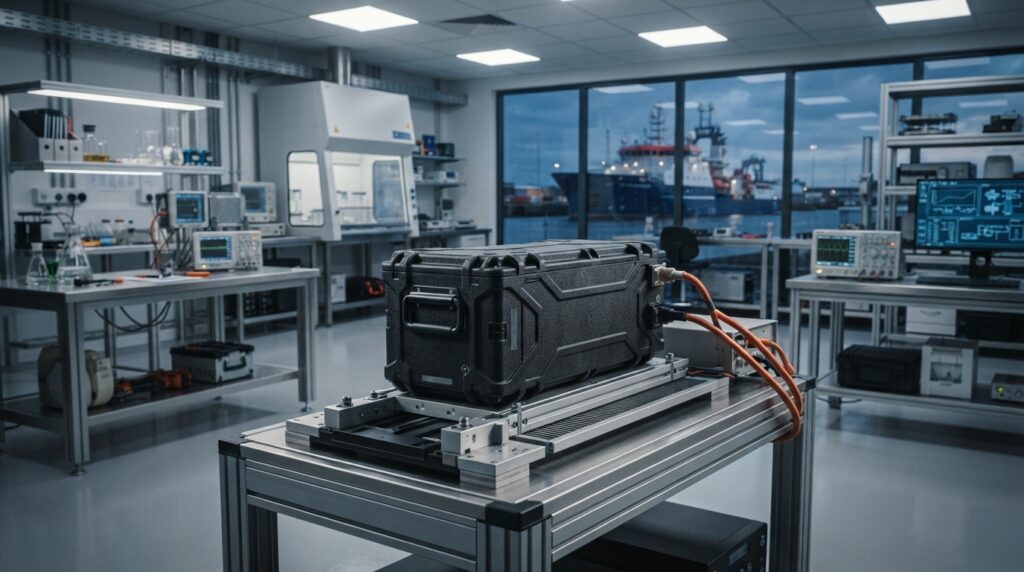

Lithium battery technology has been the single most important enabler of modern electric watercraft. Without it, the current generation of mini jet boats, electric surfboards, e-foils, underwater scooters, and rescue devices would simply not exist in a practical form. Over the past decade, improvements in energy density, charging capability, and reliability have transformed what is possible on the water.
However, what we are seeing today is not the final stage—it is an intermediate point in a much larger technological progression. Battery systems are evolving rapidly, driven by demand across multiple industries including automotive, marine, consumer electronics, and renewable energy storage. These developments will directly influence the future of electric watercraft in terms of performance, safety, accessibility, and cost.
For users, operators, and investors, understanding where battery technology is heading is critical. It determines not only what products will look like in the future, but how current equipment should be evaluated, maintained, and positioned in the market.
This article provides a detailed, forward-looking analysis of lithium battery technology, focusing on what is changing, why it matters, and how it will shape the next generation of water-based experiences—particularly within the Australian context.
Where We Are Today – The Current State of Lithium Batteries
Current Strengths
Modern lithium batteries provide:
- high energy density
- relatively low weight
- consistent power delivery
- acceptable lifecycle performance
Current Limitations
Despite their strengths, current systems still face constraints:
- limited run time for high-power devices
- long charging times compared to refuelling
- degradation over time
- sensitivity to temperature
Why These Limitations Matter
For electric watercraft, these limitations affect:
- session duration
- usability
- reliability in demanding environments
The Driving Forces Behind Battery Innovation
Battery development is not occurring in isolation. It is being driven by several major global forces:
Electric Vehicles (EVs)
The automotive industry is:
- investing billions into battery research
- pushing for longer range and faster charging
Renewable Energy Storage
Solar and wind energy require:
- efficient storage systems
- long lifecycle batteries
Consumer Electronics
Demand for:
- lighter
- more powerful
- longer-lasting batteries
Impact on Watercraft
All of these advancements:
- flow directly into marine applications
- accelerate innovation
Energy Density – The Most Important Breakthrough Area
What Energy Density Means
Energy density refers to:
- how much energy can be stored in a given size or weight
Why It Matters
Higher energy density allows:
- longer run times
- smaller, lighter batteries
- improved performance
Future Direction
Ongoing improvements will:
- significantly increase usable range
- reduce weight of devices
- improve efficiency
Real-World Impact
For electric watercraft:
- mini jet boats → longer usable sessions
- e-foils → extended glide time
- scooters → greater exploration range
Charging Speed – Closing the Gap with Fuel Systems
Current Limitation
Charging times remain:
- significantly longer than refuelling
Future Developments
Advancements in fast charging will:
- reduce charging times dramatically
- improve usability
What This Means
- quicker turnaround for users
- improved viability for commercial operations
Thermal Management – The Key to Safety and Longevity
Current Challenge
Heat is the primary enemy of battery systems.
Future Solutions
- improved cooling systems
- better internal design
- smarter monitoring
Impact
- increased safety
- longer lifespan
- more consistent performance
Battery Management Systems (BMS) – The Intelligence Layer
What a BMS Does
- monitors voltage
- controls charging
- manages temperature
Future Evolution
- become more intelligent
- optimise performance automatically
- detect issues early
Practical Benefit
- reduced user error
- improved reliability
New Battery Chemistries – Beyond Traditional Lithium-Ion
Solid-State Batteries
Potential advantages:
- higher energy density
- improved safety
- longer lifespan
Lithium Iron Phosphate (LFP)
Benefits:
- increased stability
- longer cycle life
Other Emerging Technologies
- silicon anodes
- advanced electrolytes
Impact on Watercraft
These developments will:
- improve safety
- extend usable life
- reduce long-term cost
Weight Reduction – A Critical Factor
Why Weight Matters
In watercraft:
- weight affects performance
- influences efficiency
Future Trend
- lighter batteries
- improved device handling
Cost Reduction – The Key to Mass Adoption
Current Situation
Battery cost is:
- a major component of product pricing
Future Outlook
As production scales:
- costs will decrease
- accessibility will increase
Impact
- broader adoption
- larger market growth
Environmental and Sustainability Trends
Recycling
- improved recycling processes
- reduced environmental impact
Sustainable Materials
- reduced reliance on scarce materials
Regulatory Influence
Governments are:
- encouraging cleaner technologies
What This Means for Australian Users
Heat Resilience
Future batteries will:
- perform better in high temperatures
- be more stable in Australian conditions
Usability Improvements
- longer sessions
- faster charging
- more reliable performance
Commercial Impact
Operators will benefit from:
- reduced downtime
- lower operating costs
- improved customer experience
Strategic Implications for Buyers Today
Important Insight
Battery technology will improve—but current systems are already highly capable.
What Buyers Should Focus On
- proper battery management
- selecting appropriate systems
- understanding limitations
Avoid Waiting Indefinitely
Technology will always evolve.
The key is:
- buying correctly now
- maintaining properly
Long-Term Outlook for Electric Watercraft
Short-Term (1–3 Years)
- incremental improvements
- better efficiency
Medium-Term (3–7 Years)
- significant performance gains
- faster charging
Long-Term (7+ Years)
- transformative battery systems
- mainstream adoption
Final Perspective
Battery technology is the foundation of electric watercraft. Every improvement in battery performance directly enhances:
- speed
- range
- reliability
- usability
Conclusion
The future of lithium batteries in electric watercraft is one of continuous improvement and increasing capability. Advances in energy density, charging speed, thermal management, and battery intelligence will significantly enhance performance while reducing cost and improving safety. For Australian users, these developments will make electric watercraft more practical, more reliable, and more widely accessible. Understanding these trends allows users to make informed decisions today while preparing for the opportunities of tomorrow.