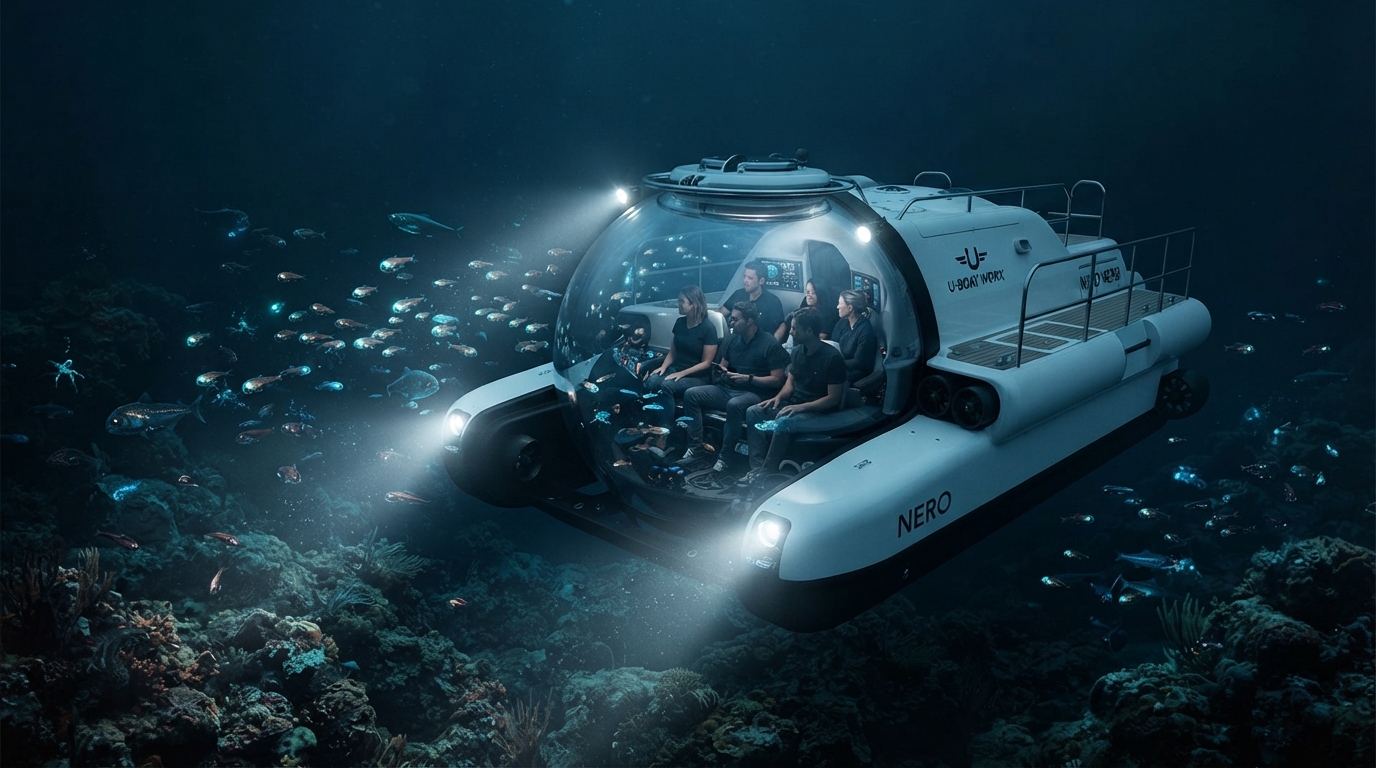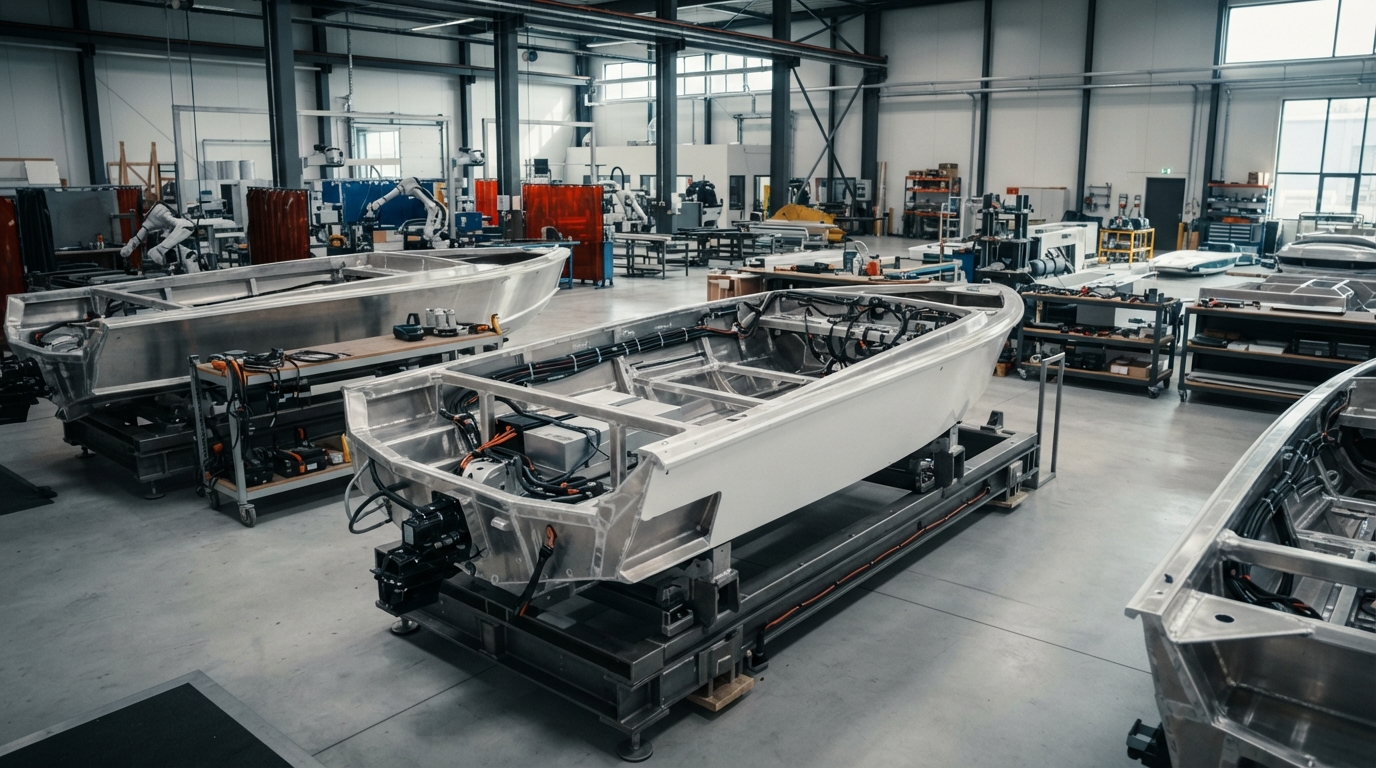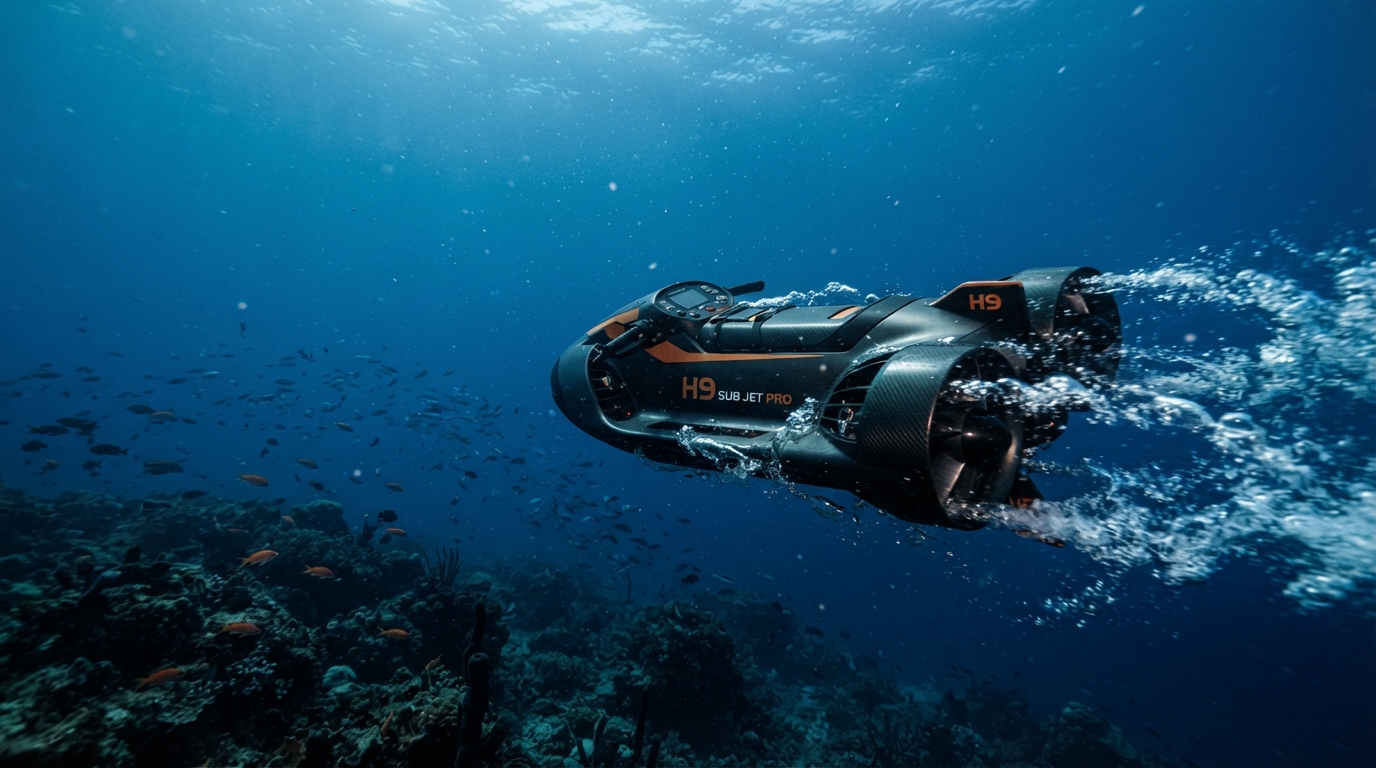

Marine recreation is entering the most significant period of change since the widespread adoption of personal watercraft and fibreglass hull construction in the late twentieth century. Over the next decade, the way people access, experience, and value time on the water will be reshaped by electrification, digital control systems, environmental pressure, changing demographics, and new expectations around flexibility and responsibility.
This transformation will not be driven by a single breakthrough. It will be driven by convergence—multiple technologies and social shifts reinforcing one another until the old models no longer make sense.
The next decade of marine recreation will look fundamentally different from the last.
From ownership-centric to experience-centric recreation
For decades, marine recreation revolved around ownership. Boats were purchased, stored, serviced, and used occasionally, often dictated by weather, logistics, and availability of infrastructure.
That model is changing.
The next decade will see a strong shift toward experience-centric recreation. Users will prioritise ease of access, frequency of use, and adaptability over sheer size or status.
Smaller, more versatile watercraft that can be deployed quickly and used often will outperform larger, infrastructure-dependent vessels in many recreational contexts. The value proposition will move from “what you own” to “how often and how easily you can use it.”
This shift aligns closely with broader lifestyle trends favouring flexibility, mobility, and lower friction experiences.
Electrification as the default, not the alternative
Electric propulsion will move from early adoption to default expectation over the next decade.
As battery energy density improves, charging infrastructure expands, and public familiarity increases, electric watercraft will no longer be seen as niche or experimental. They will simply be watercraft.
This transition mirrors what has already occurred in other sectors. Once performance, reliability, and cost reach parity—or near parity—cultural resistance collapses rapidly.
Electric systems offer quiet operation, low maintenance, predictable performance, and compatibility with modern digital control. These attributes align perfectly with how people want to recreate in increasingly shared and environmentally sensitive waterways.
The question will no longer be “why electric?” but “why not?”
Smaller craft, broader participation
One of the most significant changes in the next decade will be the rise of smaller, lighter, more accessible watercraft.
Historically, marine recreation skewed toward those with the financial means, physical capability, and geographic access to support larger vessels. Smaller electric craft lower all three barriers.
They require less storage, less maintenance, less physical strength to handle, and less specialised infrastructure. This expands participation across age groups, urban populations, and inland communities.
Marine recreation becomes less exclusive and more distributed.
This is not a decline in quality. It is an expansion of opportunity.
Infrastructure-free recreation becomes mainstream
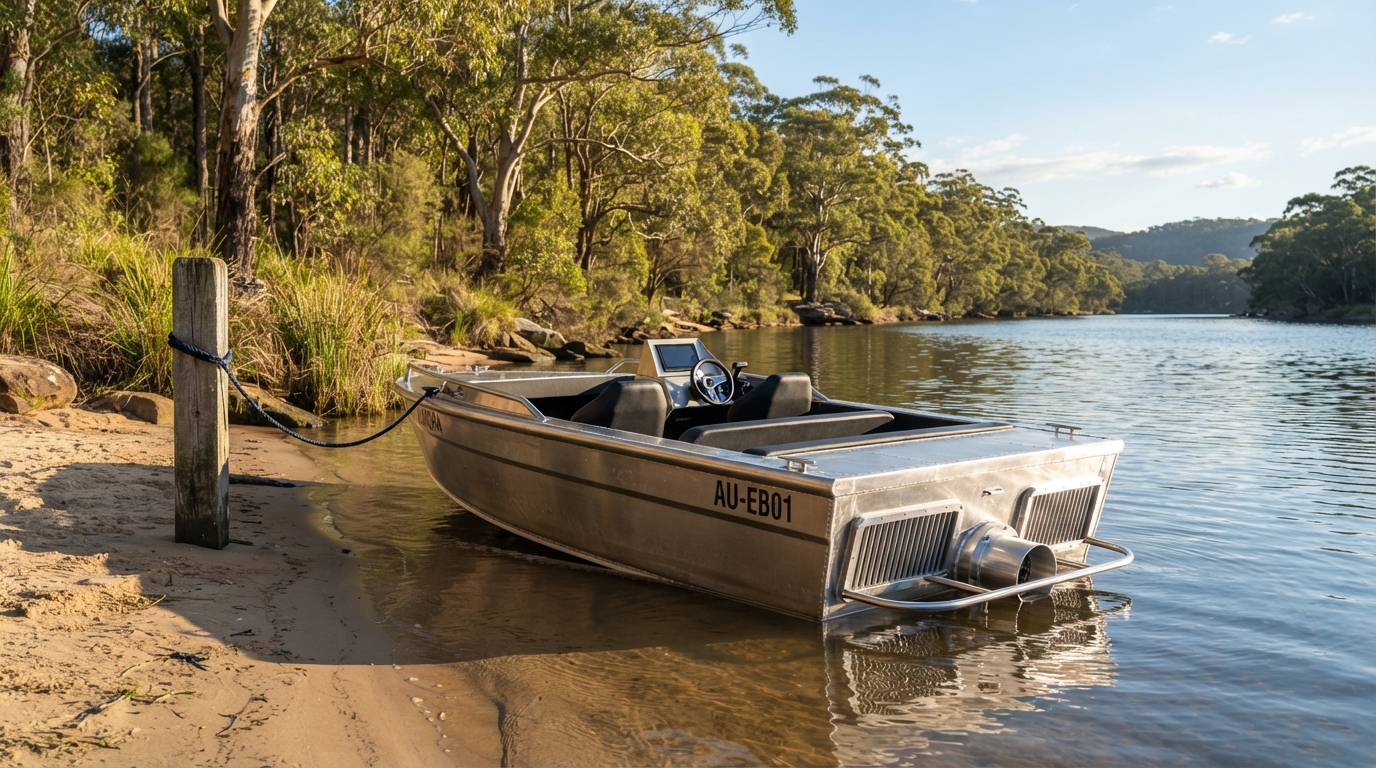
As electric and modular platforms mature, infrastructure-free marine recreation will move from exception to norm.
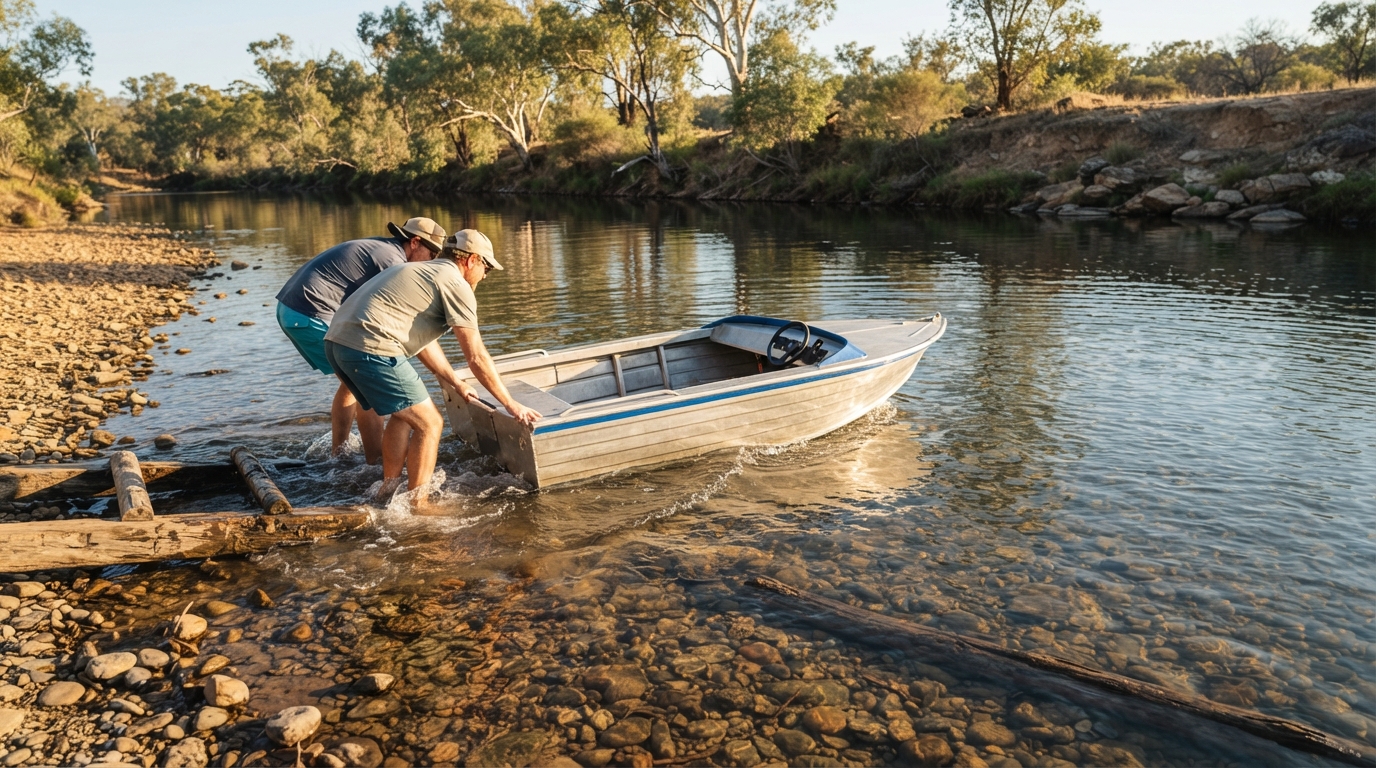
Beach launches, riverbank deployment, informal access points, and temporary setups will become standard for many users. The need for marinas, ramps, and permanent storage will decline for a large segment of the market.
This shift has profound implications.
Access will no longer be determined by proximity to traditional boating facilities. People will choose where to recreate based on environment and experience rather than logistics.
Marine recreation becomes more spontaneous, more local, and more integrated into everyday life.
Environmental pressure reshapes behaviour
Environmental considerations will increasingly shape not just technology, but behaviour.
Quiet operation, reduced wake, low emissions, and minimal shoreline impact will become expected rather than exceptional. Users will self-select craft and practices that align with environmental values because access will increasingly depend on it.
Waterways that restrict noisy or polluting craft will expand. Community tolerance for disruptive recreation will decline.
The next decade will reward technologies that allow people to enjoy the water without dominating it.
Marine recreation will become more compatible with conservation rather than competing with it.
Digital integration changes the user experience
Digital systems will play a growing role in how people interact with watercraft.
Navigation assistance, performance monitoring, safety alerts, geofencing, and usage analytics will become commonplace. These systems will not overwhelm users with data, but quietly enhance confidence and awareness.
Digital integration will also support learning and progression. New users will gain confidence faster through adaptive controls and feedback. Experienced users will refine technique and efficiency through insight rather than trial and error.
The watercraft becomes a learning platform, not just a machine.
The rise of mixed-use watercraft
The next decade will favour watercraft that can serve multiple roles.
Rather than owning different craft for different activities, users will increasingly choose platforms that can be configured for recreation, training, fitness, exploration, or light utility use.
Modular design supports this versatility. A single platform can shift between calm-water cruising, skill development, towing, or safety support depending on configuration.
This flexibility increases utilisation and reduces redundancy, aligning with both economic and environmental priorities.
Fitness and wellbeing as drivers
Marine recreation will increasingly intersect with health and wellbeing.
Quiet, low-impact electric watercraft enable activities that combine movement, balance, coordination, and outdoor exposure without excessive strain. This appeals to ageing populations as well as younger users focused on holistic fitness.
Recreation becomes restorative rather than adrenaline-driven alone.
Watercraft that support controlled, repeatable activity rather than sporadic high-intensity use will see growing demand.
Professional and public-sector influence grows
Public-sector and professional adoption will play a larger role in shaping recreational norms.
As councils, emergency services, and environmental agencies adopt electric and modular watercraft, public exposure increases. Trust builds. Familiarity replaces novelty.
These organisations also drive standards—around safety, noise, behaviour, and environmental compatibility—that spill into recreational use.
The line between professional and recreational platforms will blur, raising quality expectations across the market.
Safety expectations continue to rise
Over the next decade, safety will become a defining differentiator.
Active safety systems, adaptive control, and predictive monitoring will move from premium features to baseline expectations.
Users will expect watercraft to assist rather than punish mistakes. Parents, institutions, and insurers will favour platforms that demonstrate safety by design.
Unsafe or unpredictable craft will face increasing scrutiny, both culturally and regulatorily.
Safety will no longer be an optional extra. It will be assumed.
New demographics reshape demand
Marine recreation demographics are changing.
Younger users value access over ownership, sustainability over excess, and experiences over status. Older users value comfort, predictability, and ease of use.
The next decade’s successful watercraft will satisfy both by offering adaptable platforms rather than fixed identities.
Design will move away from extremes and toward intelligent balance.
Regulation evolves with technology
Regulatory frameworks will continue to adapt as technology matures.
Rather than rigid classifications, regulators will increasingly focus on behaviour—noise, speed, wake, emissions—rather than propulsion type alone.
This favours intelligent, configurable platforms that can demonstrate compliance dynamically.
Watercraft that can adapt to local rules without physical modification will be easier to deploy and more widely accepted.
Market fragmentation and opportunity
The next decade will not produce a single dominant model of marine recreation. It will produce many viable niches.
Urban waterways, inland lakes, coastal recreation, fitness-focused use, exploration, training, and safety support will all demand different solutions.
Manufacturers that understand this fragmentation and design flexible platforms will thrive. Those who cling to one-size-fits-all assumptions will struggle.
Opportunity lies in precision, not scale alone.
Cultural normalisation of electric watercraft
As electric watercraft become commonplace, cultural perception will shift.
They will no longer be discussed as “electric” in the same way cars are increasingly no longer discussed as “automatic.” They will simply be the normal option.
This normalisation accelerates adoption and reduces friction for new users.
The next decade will mark the end of the novelty phase and the beginning of maturity.
The long-term outlook
The next decade of marine recreation will be defined by accessibility, adaptability, and alignment with modern values.
Water sports will become quieter, cleaner, more distributed, and more inclusive. Technology will fade into the background as experience takes centre stage.
Marine recreation will no longer be something people organise their lives around.
It will become something that fits naturally into their lives.
See More at www.vectorwatercraft.com.au