
A Critical Distinction Most Buyers Overlook
In recent years, the growing interest in electric-powered recreational watercraft has introduced a new segment into the boating market—electric mini jet boats (MJBs). These compact, high-performance vessels are transforming how Australians access and enjoy waterways. However, alongside this growth has emerged a significant divide in the marketplace: fully assembled, factory-engineered mini jet boats versus engine-less kit boats requiring user assembly and power integration.
At first glance, the difference may appear to be one of convenience. In reality, it is a matter of safety, engineering integrity, and long-term reliability. The choice between a professionally manufactured, fully assembled electric mini jet boat and a kit-based alternative has serious implications—not just for performance, but for the safety of the operator, passengers, and others on the water.
This article examines that distinction in depth and explains why fully assembled electric mini jet boats represent a far safer and more responsible choice.
Understanding the Two Approaches
Fully Assembled Electric Mini Jet Boats
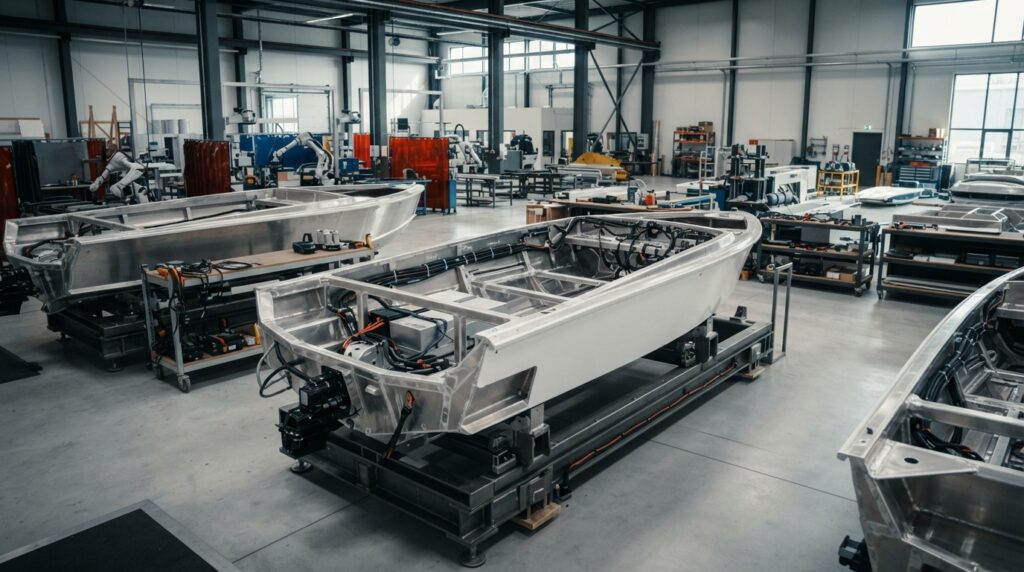
A fully assembled electric mini jet boat is designed, engineered, and built as a complete system by a manufacturer. Every component—from the hull to the motor, battery system, jet propulsion unit, and control systems—is selected, integrated, and tested to function together as a cohesive unit.
Key characteristics include:
- Engineered as a complete system
- Factory-installed electric motor and battery
- Integrated cooling, wiring, and safety systems
- Load-tested and performance-tested before delivery
- Delivered ready to operate
Engine-Less Kit Boats
Kit boats, by contrast, are typically sold as incomplete hulls or partially assembled vessels. The buyer is responsible for sourcing and installing an engine, battery system (if electric), propulsion components, and often control systems.
Typical characteristics include:
- Supplied as a hull or partial build
- No included motor or propulsion system
- Requires user selection of engine and components
- Assembly often completed by the buyer or third party
- Limited or no system-wide testing prior to use
This fundamental difference in approach has profound implications for safety.
The Safety Risks of Engine-Less Kit Boats
- 1. Mismatched Components
One of the most common and dangerous issues with kit boats is component mismatch. Hulls are designed to operate within specific power, weight, and torque parameters. When a buyer selects their own motor—particularly without deep engineering knowledge—there is a high risk of choosing a system that is either underpowered or, more critically, overpowered.
An overpowered hull can lead to:
- Instability at speed
- Loss of directional control
- Increased risk of rollover
- Structural stress and long-term damage
An underpowered system, while less dramatic, can also create hazards, particularly in currents or emergency manoeuvres.
In a fully assembled electric mini jet boat, this risk is eliminated. The motor, battery, and hull are matched precisely during the design phase, ensuring safe and predictable performance.
- 2. Structural Integrity and Load Distribution
Electric propulsion introduces unique engineering challenges, particularly around weight distribution. Batteries are heavy and must be positioned carefully to maintain stability and balance.
In a kit boat scenario:
- Battery placement is often improvised
- Weight distribution may be uneven
- Structural reinforcement may be inadequate
This can result in:
- Poor handling characteristics
- Increased likelihood of tipping
- Excessive strain on the hull
A professionally built mini jet boat accounts for these factors from the outset. The battery location, mounting points, and structural reinforcements are all designed to work together, ensuring optimal balance and safety.
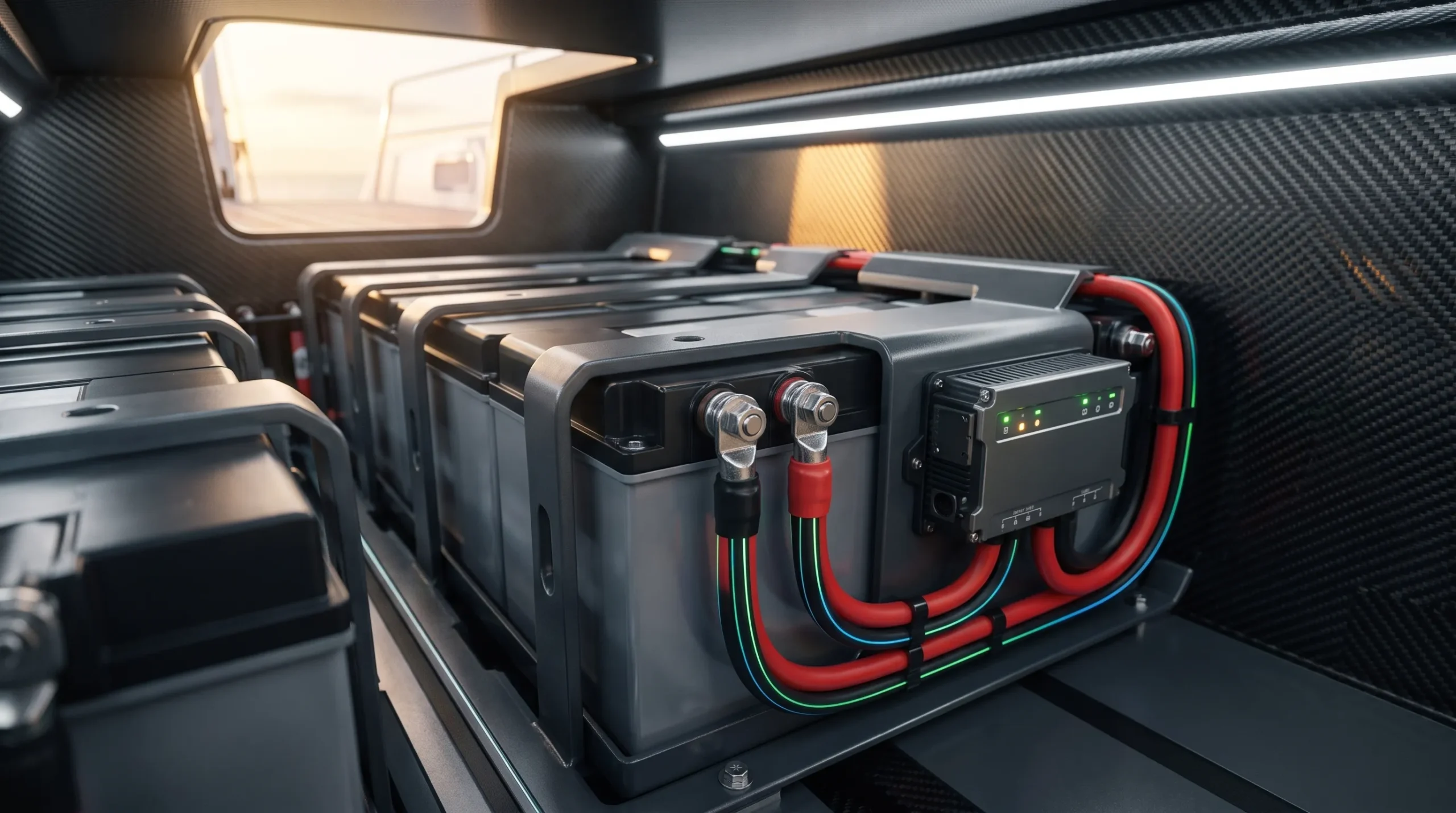
- 3. Electrical System Risks
Electric mini jet boats rely on high-capacity battery systems and sophisticated electrical architecture. Improper installation or poor-quality components can introduce serious hazards, including:
- Electrical short circuits
- Overheating
- Water ingress into electrical systems
- Fire risk
Kit boat builders often lack the expertise to design and install marine-grade electrical systems. Even small errors in wiring or insulation can have severe consequences.
Fully assembled electric mini jet boats, on the other hand, are built using marine-grade components, sealed systems, and tested electrical configurations designed specifically for aquatic environments.
- 4. Cooling System Failures
Electric motors and controllers generate heat and require proper cooling systems to operate safely. In many kit builds, cooling is an afterthought or is implemented using improvised solutions.
This can lead to:
- Motor overheating
- Sudden power loss
- Permanent damage to critical components
Factory-built mini jet boats incorporate integrated cooling systems that are tested under real-world conditions, ensuring consistent performance and reducing the risk of failure.
- 5. Lack of System Testing
Perhaps the most significant safety concern with kit boats is the absence of comprehensive testing. When a vessel is assembled from various components by an individual or third party, there is no guarantee that the system as a whole has ever been tested under load.
This means:
- Unknown performance limits
- Unverified handling characteristics
- Hidden faults that may only appear under stress
Fully assembled electric mini jet boats undergo rigorous testing before delivery. This includes:
- Performance testing at various speeds
- Load testing with different weight configurations
- Safety checks on electrical and propulsion systems
This testing ensures that the boat performs as expected and that potential issues are identified and resolved before the customer ever takes possession.
The Importance of Jet Propulsion Safety
Mini jet boats use jet propulsion rather than exposed propellers, which is inherently safer in many situations—particularly around swimmers and shallow water. However, the effectiveness of this safety advantage depends heavily on proper system integration.
In a kit boat:
- Incorrect alignment of the jet unit can reduce control
- Poor installation can lead to inefficiency or failure
- Inadequate sealing can allow water ingress
In a fully assembled system:
- The jet unit is precisely aligned and calibrated
- Intake and output systems are optimised for performance
- Sealing and structural integration are professionally executed
This ensures that the inherent safety advantages of jet propulsion are fully realised.
Predictability: The Cornerstone of Safe Operation
Safe boating relies on predictability. The operator must be able to anticipate how the vessel will respond to inputs, whether accelerating, turning, or stopping.
Kit boats often lack this predictability due to:
- Inconsistent component quality
- Variable assembly standards
- Lack of testing
This unpredictability can be particularly dangerous in:
- Crowded waterways
- Emergency situations
- High-speed manoeuvres
Fully assembled electric mini jet boats provide consistent, predictable performance. This allows the operator to develop confidence and control, significantly reducing the risk of accidents.
Compliance and Responsibility in the Australian Context
While regulations for small recreational watercraft vary across Australian states, there is a growing emphasis on safety, compliance, and responsible operation.
A fully assembled electric mini jet boat is far more likely to:
- Meet design and safety expectations
- Align with evolving regulatory standards
- Provide documentation and support
Kit boats, particularly those assembled without professional oversight, may fall short of these expectations, potentially exposing the owner to legal and liability risks.
Long-Term Reliability and Maintenance
Safety is not only about initial performance but also long-term reliability. A system that degrades over time due to poor integration or substandard components can become increasingly dangerous.
Fully assembled electric mini jet boats benefit from:
- Matched components designed for longevity
- Professional installation reducing wear and tear
- Clear maintenance guidelines
Kit boats often suffer from:
- Component incompatibility
- Improvised solutions that fail over time
- Difficulty sourcing replacements or support
The Broader Impact on the Industry
The rise of kit-based mini jet boats has introduced a level of inconsistency into the market. Poorly built or unsafe vessels can damage the reputation of the entire category, creating hesitation among potential buyers and regulators.
By contrast, professionally manufactured, fully assembled electric mini jet boats set a higher standard. They demonstrate what the category can achieve in terms of safety, performance, and reliability, helping to establish trust and encourage broader adoption.
A Practical Perspective for Buyers
For the prospective buyer, the decision ultimately comes down to risk tolerance. While kit boats may appear more affordable upfront, the hidden risks and potential long-term costs must be carefully considered.
A fully assembled electric mini jet boat offers:
- Immediate usability
- Proven performance
- Significantly reduced safety risk
- Professional support and backing
In contrast, a kit boat represents:
- Uncertainty
- Potential safety hazards
- Additional time and cost
- Reliance on personal expertise
Conclusion: Safety Is Not an Optional Extra
The appeal of building or customising a watercraft is understandable. However, when it comes to high-performance vessels operating in dynamic and sometimes unpredictable environments, safety must take precedence over experimentation.
Fully assembled electric mini jet boats are not simply more convenient—they are fundamentally safer. They eliminate the risks associated with component mismatch, poor installation, and lack of testing. They provide predictable performance, reliable operation, and peace of mind for both the operator and those around them.
As the electric watercraft market continues to grow, this distinction will become increasingly important. Buyers who prioritise safety, reliability, and long-term value will recognise that a professionally engineered, fully assembled mini jet boat is not just the better choice—it is the responsible one.
See More at www.vectorwatercraft.com.au