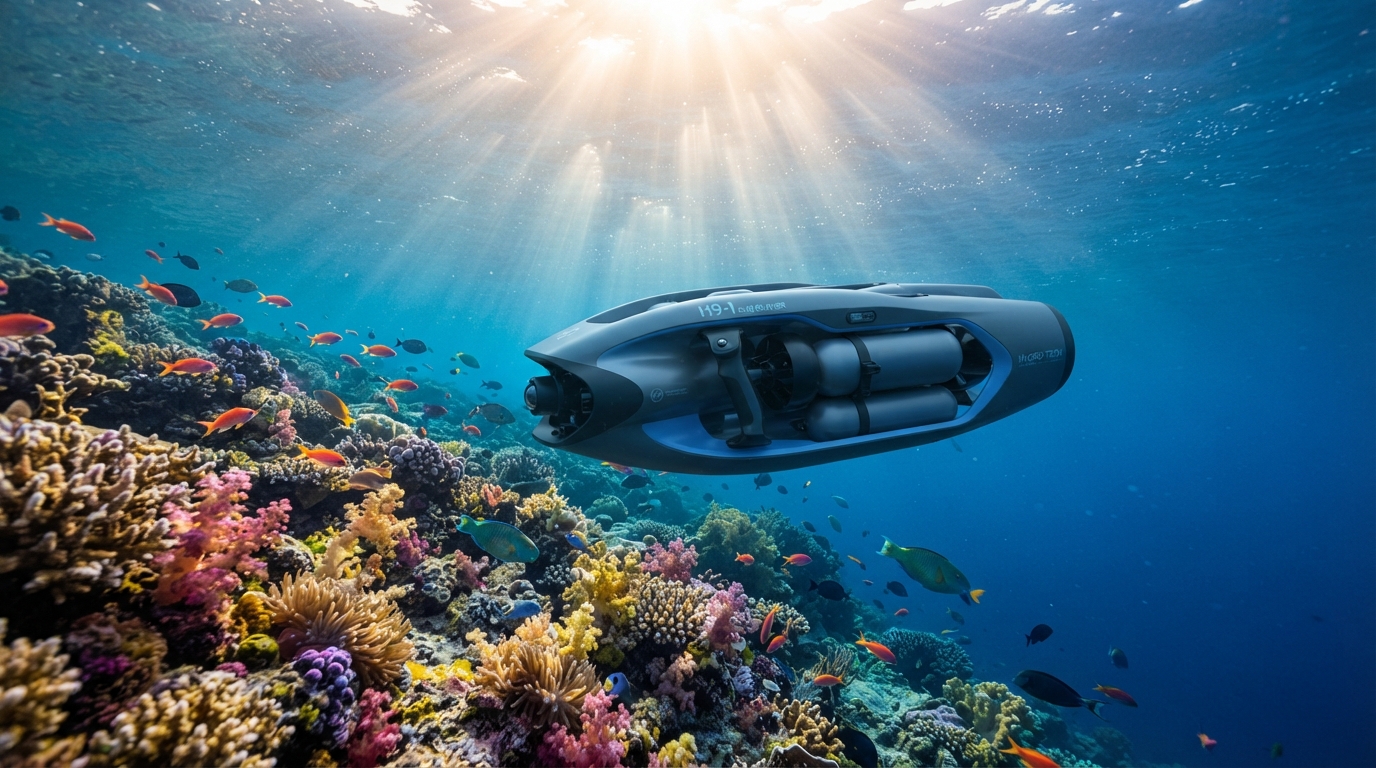
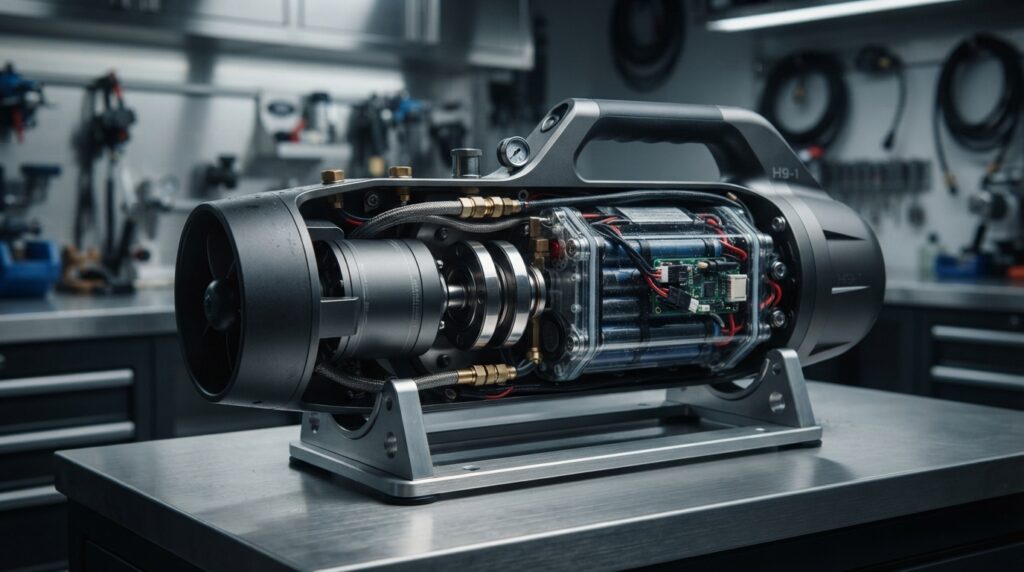

When evaluating advanced underwater mobility devices such as the H9-1 Sub Runner, the initial purchase price is often the most visible factor. However, as with any specialised equipment, the true cost of ownership extends well beyond the upfront investment. To make an informed decision, it is necessary to consider the full financial picture, including operating costs, maintenance requirements, battery lifecycle, and long-term value.
In Australia, where environmental conditions and usage patterns can significantly influence performance, understanding these cost factors becomes even more important. This article provides a detailed, experience-based analysis of what it actually costs to own and operate an H9-1 Sub Runner over time.
Understanding Total Cost of Ownership
Total cost of ownership includes:
- purchase price
- operating costs
- maintenance and servicing
- battery lifecycle costs
- depreciation and resale value
Each of these components contributes to overall value.
Initial Purchase Cost
What Drives Pricing
The H9-1 Sub Runner incorporates:
- electric propulsion systems
- integrated design structure
- advanced materials
- battery technology
Positioning in Market
It is generally positioned as:
- premium equipment
- advanced recreational device
Australian Considerations
Pricing may be influenced by:
- import costs
- availability
- market demand
Operating Costs
Electric Propulsion Advantage
Unlike fuel-powered systems:
- no fuel cost
- minimal consumables
Cost Per Use
- relatively low
- predictable
Comparison to Traditional Systems
Compared to petrol-based alternatives:
- significantly lower ongoing cost
Battery Lifecycle and Replacement
Battery Degradation
Over time:
- battery capacity reduces
- performance gradually declines
Factors Influencing Lifespan
- charging habits
- storage conditions
- temperature exposure
- frequency of use
Replacement Cost
- one of the largest cost factors
- occurs infrequently when properly managed
Mitigation Strategies
Proper battery care significantly extends usable life.
Maintenance Requirements
Routine Maintenance
Includes:
- cleaning after saltwater use
- inspection of propulsion components
- checking seals and structural elements
Mechanical Simplicity
Electric systems:
- have fewer moving parts
- require less servicing
Cost Impact
- reduced maintenance costs
- lower downtime
Storage and Handling Costs
Environmental Sensitivity
Storage must consider:
- temperature
- moisture
- physical protection
Transport Considerations
- careful handling required
- protection from impact
Depreciation and Resale Value
Factors Affecting Value
- condition
- usage
- technological relevance
Market Outlook
Growing interest in underwater mobility devices may support:
- resale demand
- value retention
Cost vs Value Perspective
Usage Frequency
Higher use results in:
- better value
- lower cost per session
Experience Value
The Sub Runner provides:
- enhanced underwater mobility
- unique user experience
Commercial Use Considerations
Tourism Applications
- premium offering
- strong appeal
Operational Efficiency
- low running cost
- minimal maintenance
Australian Context
Environmental Impact
Heat and salt exposure require:
- proper maintenance
- disciplined storage
Common Cost Misconceptions
- focusing only on purchase price
- ignoring battery care
- underestimating long-term savings
Long-Term Ownership Strategy
To maximise value:
- maintain battery correctly
- store in controlled conditions
- perform regular inspections
Conclusion
The H9-1 Sub Runner represents a premium investment in underwater mobility. While the initial purchase price may be higher than traditional devices, its low operating costs, reduced maintenance requirements, and strong experiential value can result in favourable long-term outcomes. Understanding total cost of ownership ensures informed decision-making and maximised value.