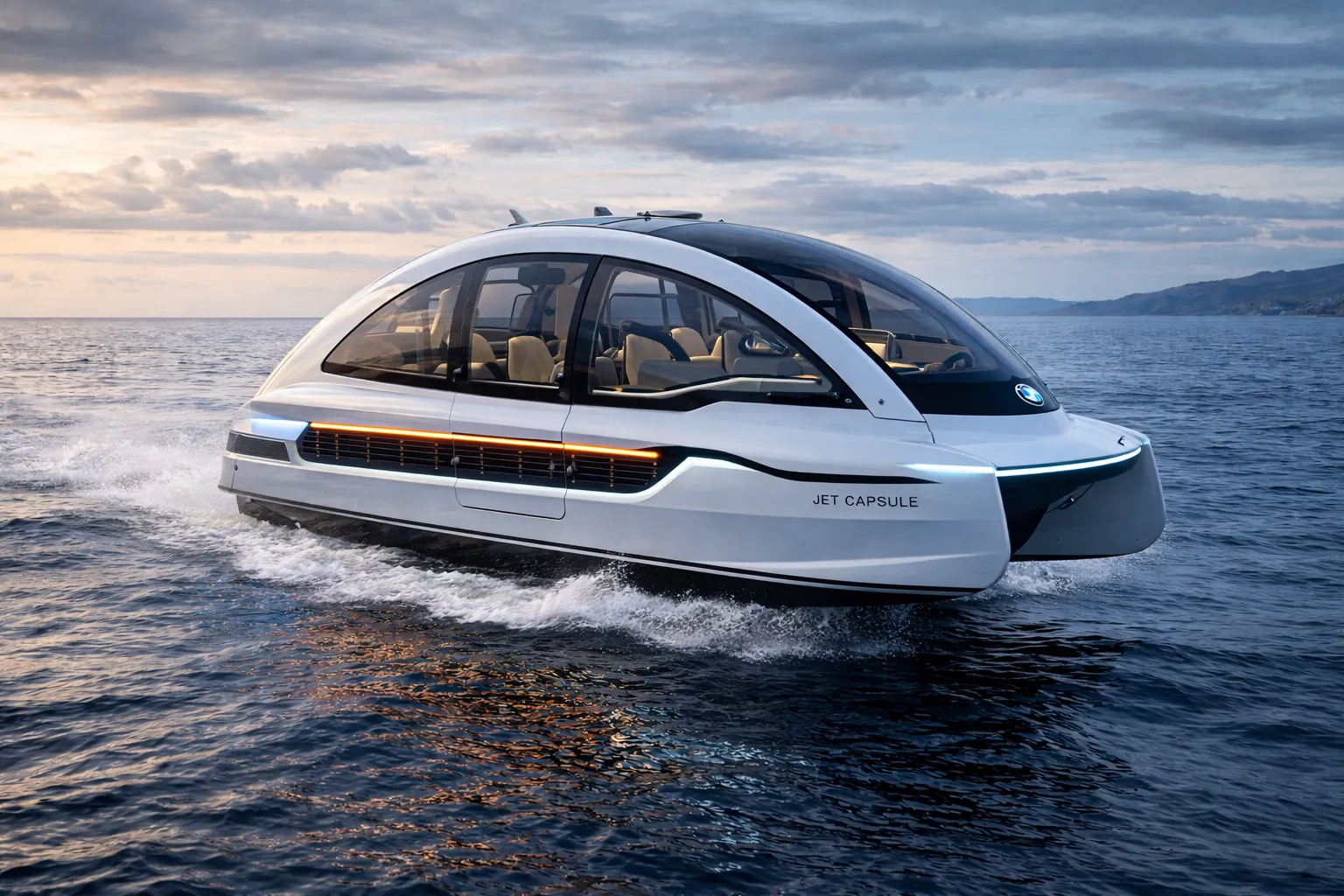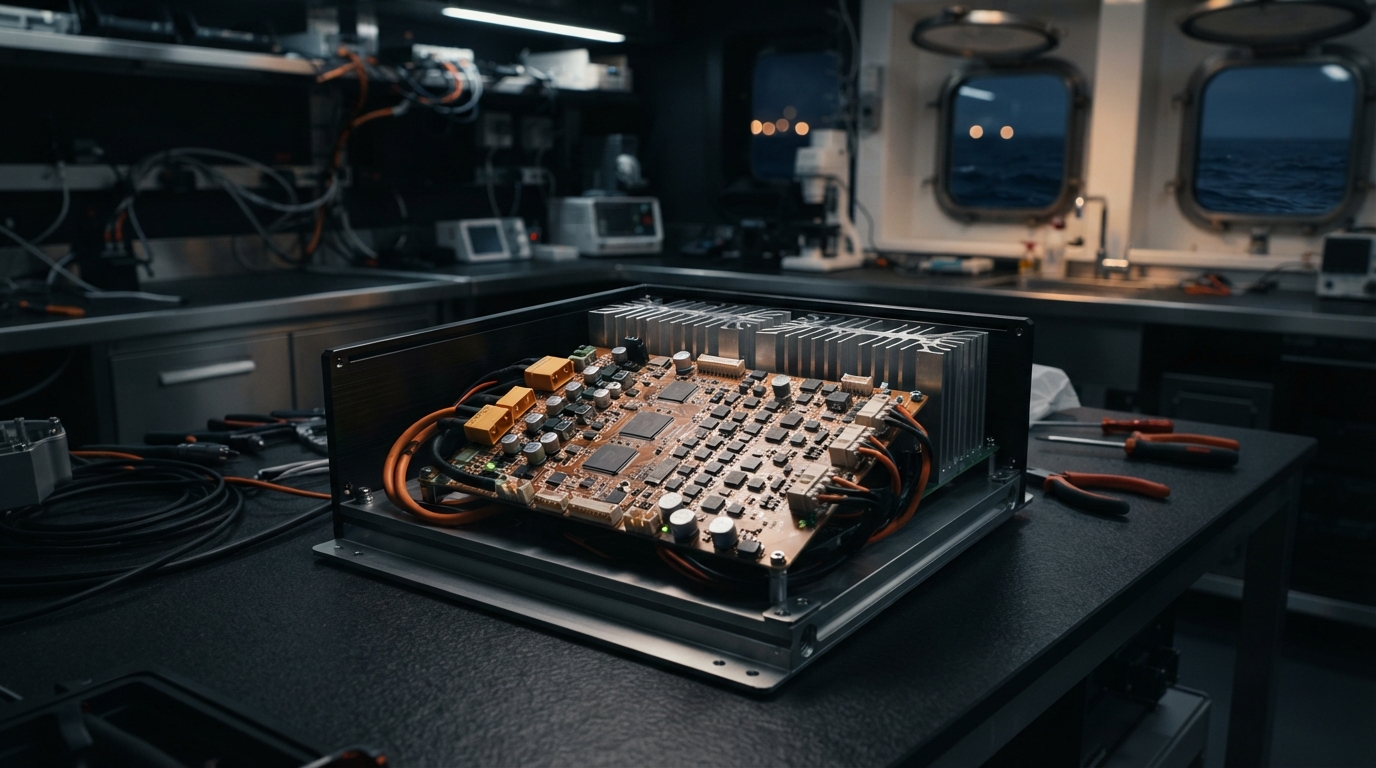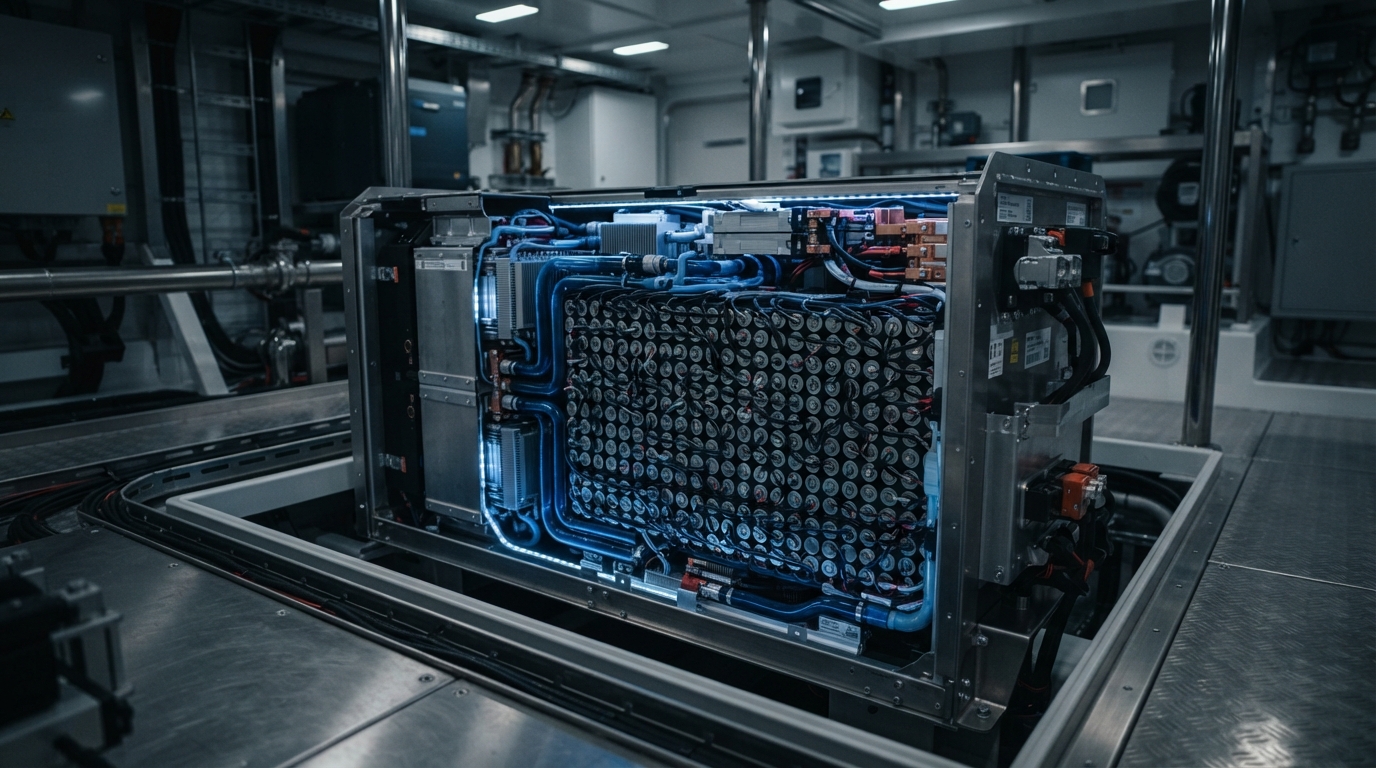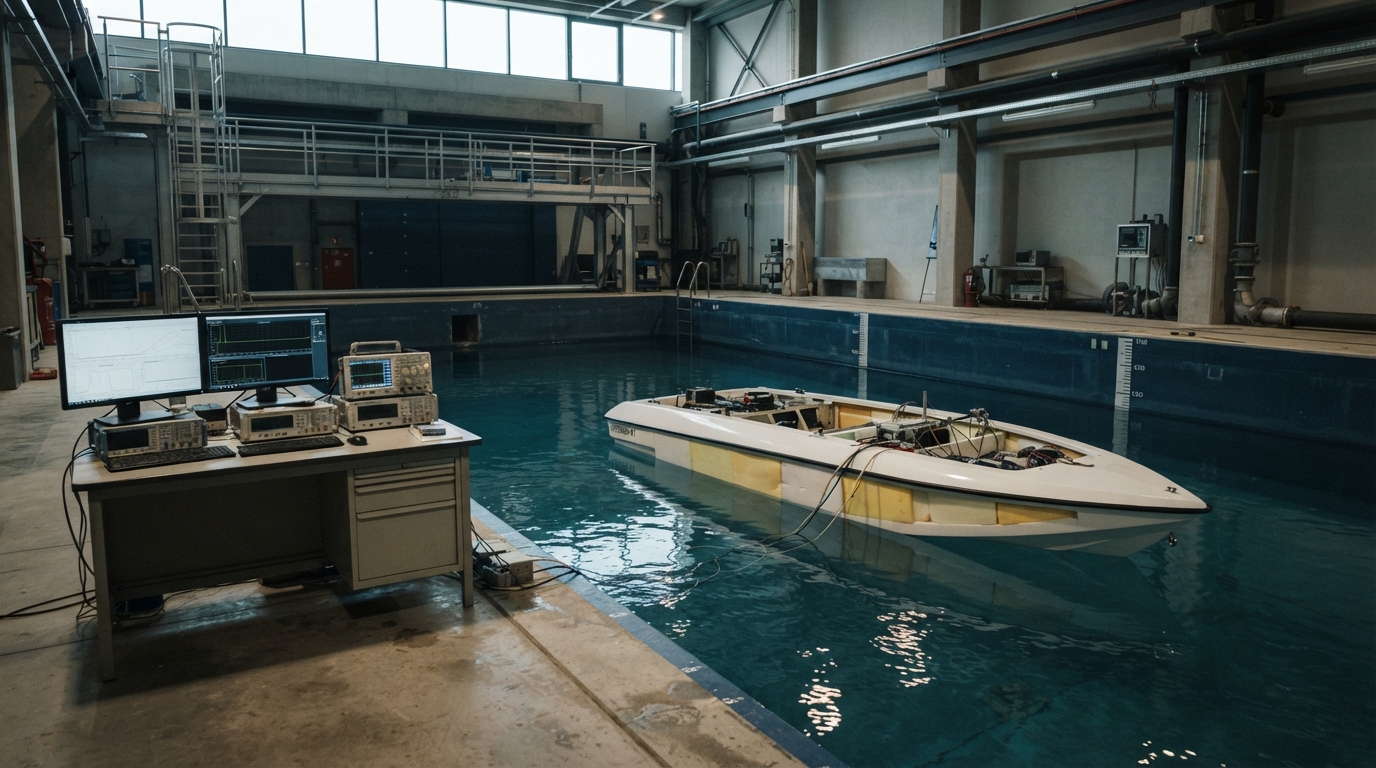

An EEAT-Based Buyer’s Guide for Australian Conditions
Introduction: Why Submersible Jet Craft Are Entering the Mainstream
Submersible jet craft have moved rapidly from novelty gadgets into serious underwater equipment used by recreational divers, snorkellers, freedivers, yacht owners, underwater photographers, marine researchers and safety professionals. What was once an expensive, unreliable niche product is now a practical, portable and increasingly refined piece of equipment.
However, the rapid growth of this category has created confusion. Buyers are faced with wildly different claims about speed, depth, battery life, waterproofing and “professional grade” status—many of which do not stand up to real-world scrutiny.
This guide exists to cut through that noise.
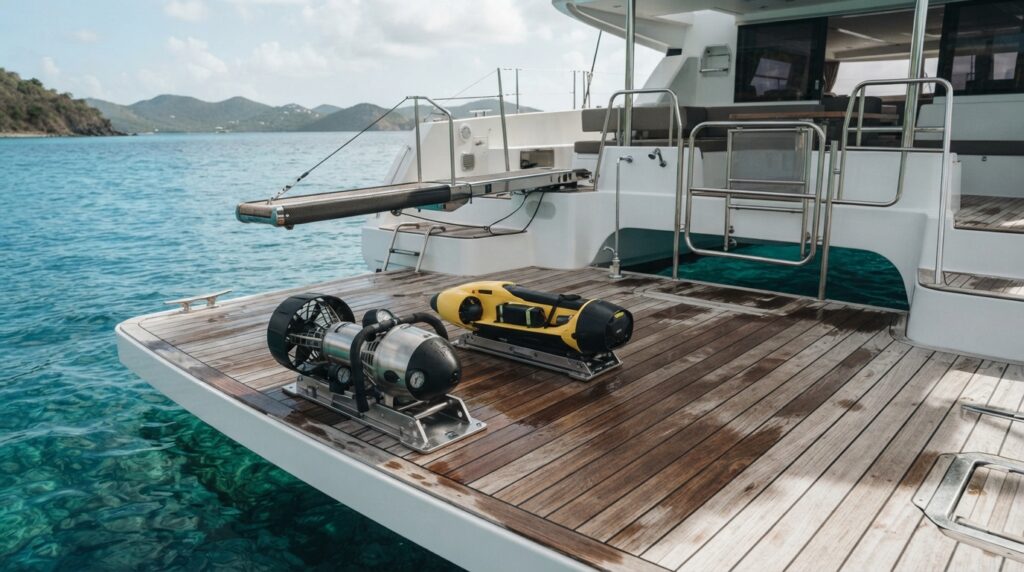
It explains what actually matters when purchasing a submersible jet craft, why many cheap units fail prematurely, and how properly engineered systems such as the Sub Jet Pro and Sub Runner differ fundamentally from consumer-grade underwater scooters sold online.
This is written specifically for Australian buyers, where saltwater exposure, heat, UV, and long-term reliability are non-negotiable.
What Is a Submersible Jet Craft?
A submersible jet craft is an electrically powered underwater propulsion device designed to assist a swimmer or diver by producing forward thrust through a sealed electric motor and jet or propulsor system.
Unlike traditional DPVs (Diver Propulsion Vehicles), modern submersible jet craft focus on:
- Compact size and portability
- Ease of use without formal dive training
- Modular battery systems
- Electronic safety management
- Multi-role use (recreation, exploration, inspection)
The Sub Jet Pro and Sub Runner represent this newer generation, where engineering quality matters more than headline speed claims.
Buyer Reality Check: Why Most People Buy the Wrong Unit
Most buyers make decisions based on:
- Advertised top speed
- A single depth number
- Price comparisons alone
These are the least reliable indicators of long-term ownership satisfaction.
In practice, buyers should prioritise:
- Waterproofing integrity
- Battery safety and management
- Motor efficiency under load
- Depth rating credibility
- Thermal protection
- Realistic runtime, not laboratory claims
Ignoring these factors is the reason many underwater scooters fail within the first 6–12 months.
Depth Ratings: What They Really Mean (and Why They’re Often Misleading)
A depth rating is meaningless unless you know how it is achieved and tested.
The Three Types of Depth Claims
- Theoretical rating – Calculated, not tested
- Static tank test rating – Brief submersion without load
- Operational rating – Tested under thrust, heat and pressure
Only the third category matters.
The Sub Jet Pro and Sub Runner are engineered with conservative, real-world depth tolerances rather than marketing exaggeration. This means their stated depth ratings are achievable while operating, not just while sitting motionless in a tank.
Depth increases pressure exponentially. Poorly sealed battery compartments, weak cable glands, or low-quality O-rings will fail at depth—even if the motor itself survives.
Waterproofing Standards: The Single Most Important Factor
If there is one area where cheap underwater scooters fail, it is waterproofing.
What Proper Waterproofing Requires
- Multi-stage sealing (not a single O-ring)
- Pressure-rated housings
- Independent motor and battery compartments
- Redundant sealing around controls and charging ports
- High-quality materials that do not deform under heat
Many low-cost units rely on:
- Silicone sealant
- Thin plastic housings
- Consumer-grade cable grommets
These degrade rapidly in Australian saltwater.
The Sub Jet Pro and Sub Runner use purpose-designed waterproof housings, not repurposed consumer enclosures.
Battery Systems: Safety Matters More Than Capacity
Battery marketing is where misinformation is most common.
What Buyers Are Often Told
- “High capacity battery”
- “Long runtime”
- “Fast charging”
What Actually Matters
- Battery chemistry quality
- Battery Management System (BMS) sophistication
- Thermal protection
- Short-circuit and overcurrent protection
- Water ingress isolation
Cheap units often use generic lithium cells with minimal protection. Once water ingress occurs, failure is often catastrophic rather than gradual.
The Sub Jet Pro and Sub Runner prioritise:
- Stable discharge curves
- Controlled current delivery
- Thermal management under continuous load
This directly improves runtime consistency and motor longevity.
Runtime: Why Real-World Numbers Matter
Advertised runtimes are often measured:
- At minimum thrust
- In freshwater
- Without load
- In controlled temperatures
In real Australian conditions—saltwater, warmer temperatures, sustained thrust—those numbers collapse.
A properly engineered submersible jet craft focuses on:
- Efficient thrust per watt
- Predictable battery depletion
- Graceful power reduction rather than sudden cutoff
This is where the Sub Jet Pro and Sub Runner excel: consistent performance until safe shutdown, rather than abrupt power loss.
Thrust vs Speed: Understanding Underwater Physics
Speed sells. Thrust performs.
Underwater, drag increases exponentially with speed. Chasing high top speed:
- Dramatically increases battery consumption
- Generates excess heat
- Reduces component life
Professional-grade submersible jet craft prioritise:
- Smooth, controllable thrust
- Stability under load
- Predictable handling
This makes them more usable for exploration, inspection and extended sessions.
Weight, Balance and Portability
A submersible jet craft must balance:
- Sufficient mass for stability
- Manageable weight for transport
- Neutral or near-neutral buoyancy
Overly light units are unstable underwater. Overly heavy units are impractical.
The Sub Jet Pro and Sub Runner are engineered to strike this balance, making them suitable for:
- Boat storage
- Beach entry
- Travel and transport
- One-person handling
Motor Design and Electrical Safety
Electric motor safety underwater is non-negotiable.
Key considerations:
- Sealed motor housings
- Proper insulation
- Heat dissipation pathways
- Controlled startup and shutdown
Poor motor design leads to:
- Thermal runaway
- Seal degradation
- Electrical faults
Professional units use motors designed for submerged operation, not modified surface motors.
Control Systems: Why Simplicity Is Safer
Over-complicated control systems increase failure points.
Reliable submersible jet craft prioritise:
- Intuitive controls
- Fail-safe shutdown
- Clear tactile feedback
Touchscreens, Bluetooth dependencies and app-based controls are unnecessary underwater and increase risk.
Maintenance and Long-Term Ownership
A quality submersible jet craft should:
- Rinse easily
- Allow seal inspection
- Use durable materials resistant to UV and salt
- Have accessible service components
Cheap units are often “sealed for life,” meaning disposable once something fails.
Sub Jet Pro and Sub Runner designs reflect long-term ownership, not throwaway consumption.
Use-Case Matching: Choosing the Right Model
Sub Jet Pro Is Best For:
- Enthusiasts seeking maximum performance
- Underwater photographers
- Exploration and extended sessions
- Users wanting the highest engineering margin
Sub Runner Is Best For:
- Recreational users
- Yacht owners and snorkellers
- Travel and portability priorities
- Ease of use with minimal setup
Choosing the correct model is about how you’ll use it, not just specifications.
Why Cheap Underwater Scooters Fail
Common failure causes include:
- Water ingress at charging ports
- Battery corrosion
- Seal deformation from heat
- Motor overheating
- Inadequate BMS protection
These failures are rarely covered by meaningful warranties.
The Australian Reality: Salt, Heat and Distance
Australia is unforgiving:
- Saltwater exposure year-round
- Long distances from service centres
- High ambient temperatures
- Strong UV
Equipment must be built accordingly. This is where engineering discipline matters more than price.
Final Buying Checklist
Before purchasing any submersible jet craft, ask:
- Is the depth rating operational or theoretical?
- What waterproofing standard is used?
- How is battery safety managed?
- What happens when the battery depletes?
- Can seals be inspected and maintained?
- Is thrust controllable and efficient?
- Is the unit designed for Australian conditions?
If these questions cannot be clearly answered, walk away.
Conclusion: Buy Engineering, Not Marketing
A submersible jet craft is not a toy—it is a piece of underwater equipment operating in a hostile environment.
The Sub Jet Pro and Sub Runner represent a design philosophy based on:
- Conservative engineering
- Real-world testing
- Safety margins
- Long-term reliability
In this category, quality is not a luxury—it is the difference between confidence and failure underwater.