
Introduction: A Turning Point, Not a Trend
Electric water sports are no longer an emerging curiosity or a niche reserved for early adopters. They have reached a point where underlying forces—technology maturity, user behaviour, regulatory pressure, and environmental realities—are aligning. What follows is not a sudden revolution but a steady, irreversible shift that will redefine how water sports equipment is designed, sold, regulated, and used over the next decade.
Historically, major changes in recreational industries do not begin with grand announcements. They begin quietly, with small advantages that compound. Electric water sports are following this exact pattern. The first changes are already visible, even if many observers still frame them incorrectly as trends rather than structural developments.
Understanding what changes first is critical. It reveals where genuine value lies, where marketing noise should be ignored, and how participants—buyers, manufacturers, and authorities—can make decisions that remain sound over the long term.
Why the Shift to Electric Is Structurally Inevitable
Electric propulsion is not replacing petrol engines because of ideology. It is replacing them because petrol engines are poorly matched to modern recreational water use. Most water sports today occur in short sessions, close to shore, in shared environments that include swimmers, paddle craft, and environmentally sensitive zones.
Electric systems excel precisely in these conditions. They deliver immediate torque, predictable response, quiet operation, and far lower maintenance overhead. Once these benefits are experienced, they are difficult to dismiss. This is why adoption, once it begins, accelerates rather than plateaus.
Over the next decade, the question will not be whether electric water sports grow, but how quickly traditional assumptions fall away.
First Change: Control Replaces Speed as the Core Performance Measure
The earliest and most fundamental change is already underway: performance is being redefined.
For generations, watercraft performance was synonymous with speed. In the electric era, this benchmark loses relevance. Electric motors provide full torque from zero RPM, meaning responsiveness matters more than momentum. What users notice immediately is not how fast a craft can go in a straight line, but how precisely it responds to input.
Acceleration, deceleration, and fine control become the real indicators of quality. Craft that feel calm, predictable, and intuitive inspire confidence. Craft that chase speed at the expense of control quickly expose their limitations.
This change occurs first because it is experiential. It does not need regulation or education. Users feel it instinctively.
Second Change: Quiet Operation Expands Where and When Craft Are Used
Noise has always been one of the greatest constraints on water sports, even if it has been normalised. Electric watercraft remove this constraint almost entirely.
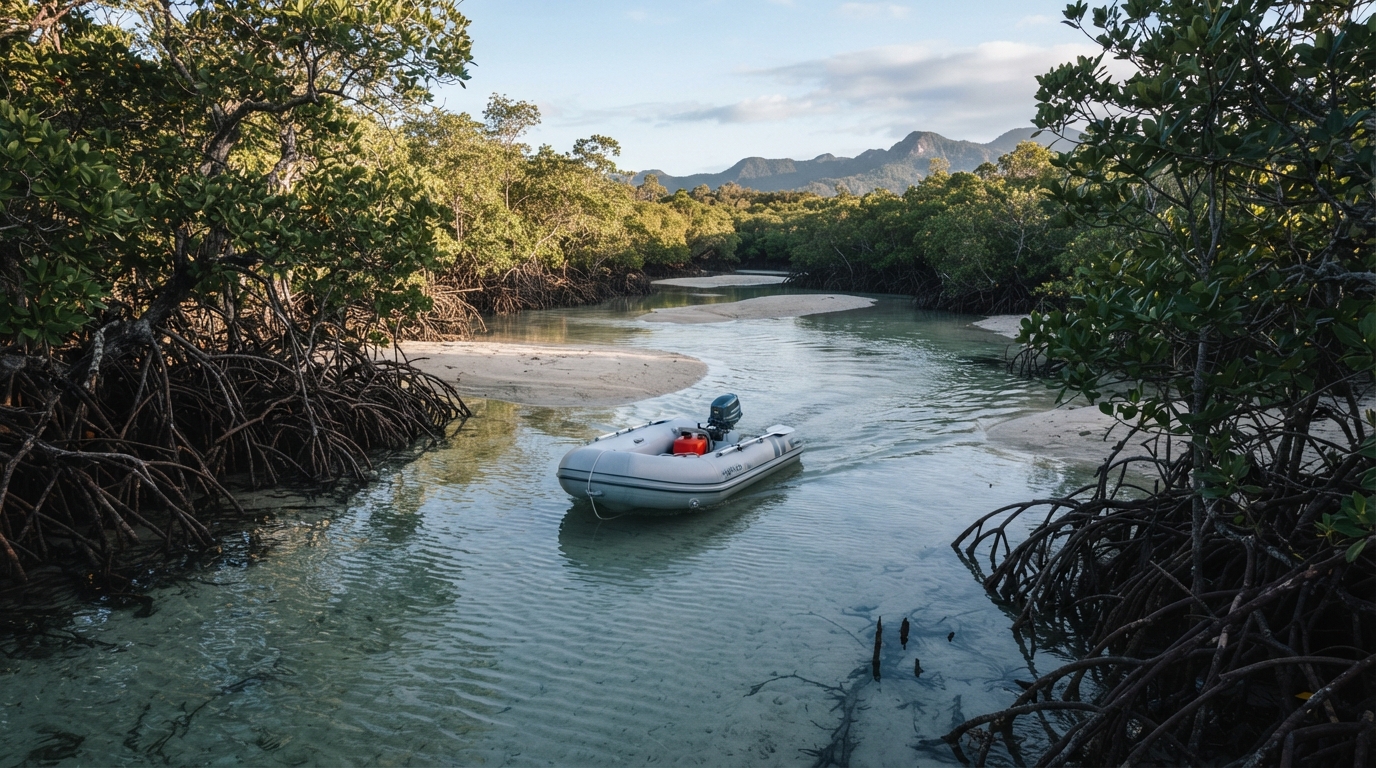
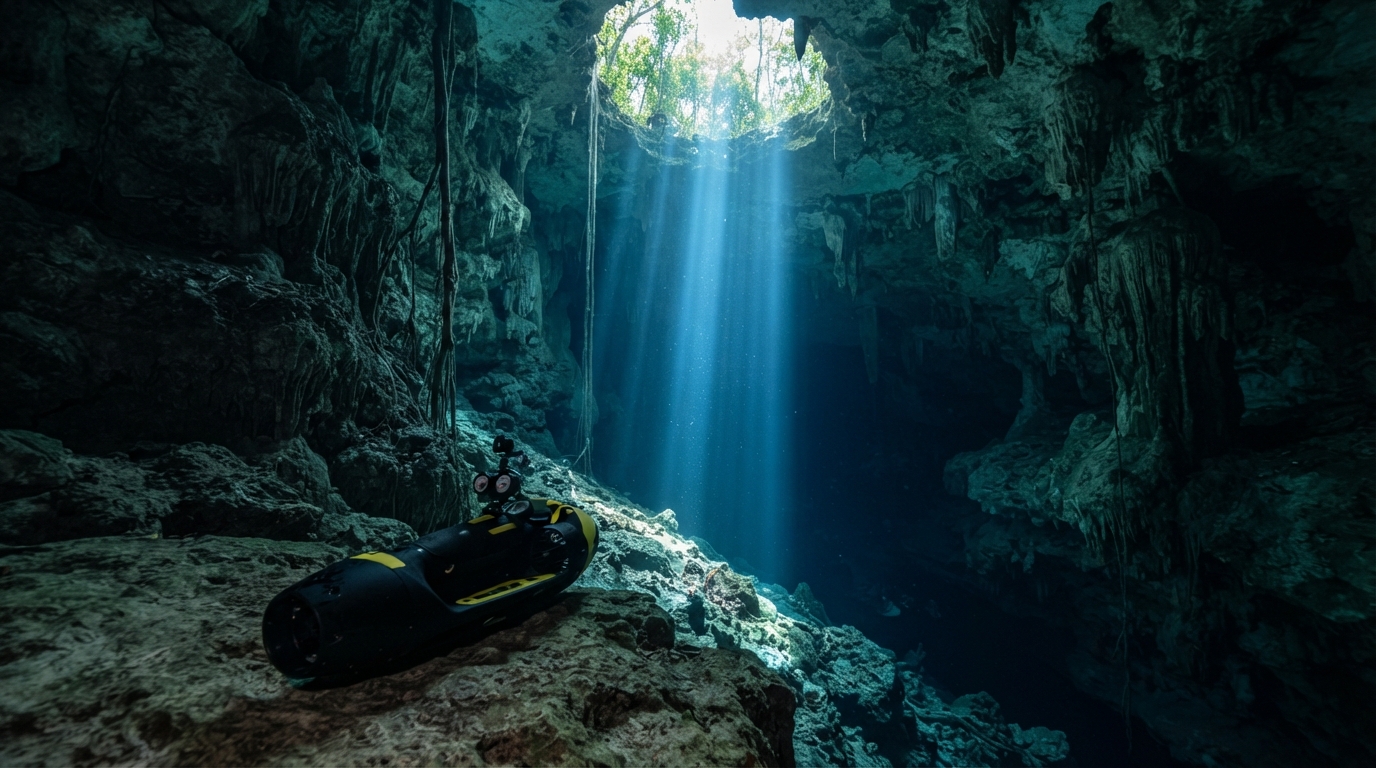
Quiet operation transforms the relationship between watercraft and their surroundings. Shoreline residents, other water users, and wildlife are no longer forced to tolerate intrusion. As a result, electric craft gain access—formal and informal—to areas where petrol-powered craft are discouraged or restricted.
This change happens early because it does not require new rules. It aligns naturally with community expectations and local authority preferences. Over time, quiet operation becomes an assumed standard rather than a selling point.
Third Change: Smaller Craft Deliver Disproportionate Capability
Electric propulsion scales down exceptionally well. Without large engines, fuel tanks, or complex drivetrains, small craft can deliver levels of performance and usability that once required much larger platforms.
This leads to a shift in perception. Size is no longer equated with seriousness or capability. Compact electric craft prove themselves through stability, control, and real-world usability rather than physical presence.
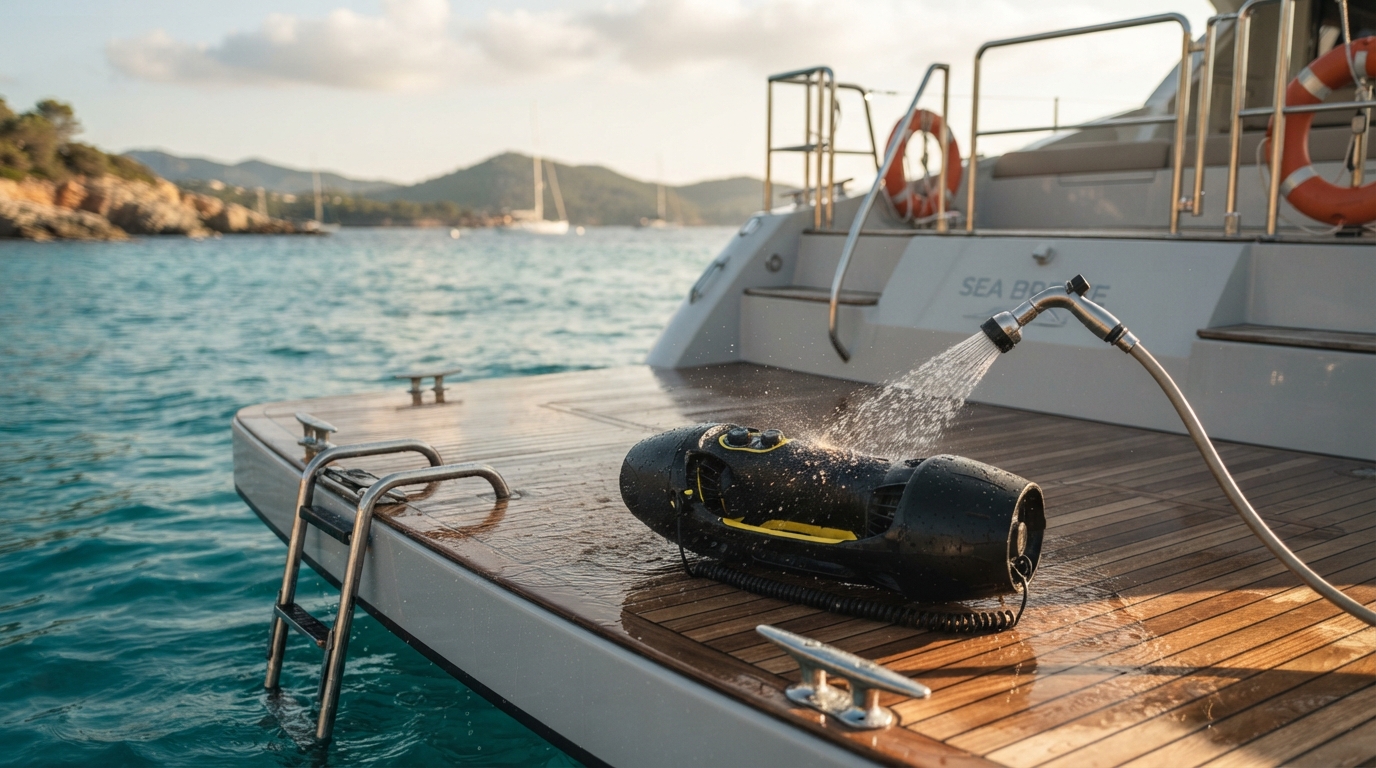
Over the next decade, portability and shallow-water access become dominant advantages. Craft that can be launched easily, transported without trailers, and used in varied locations align better with modern lifestyles.
Fourth Change: Safety Evolves from Passive to Active Systems
Traditional watercraft safety has relied heavily on passive measures—life jackets, kill switches, and operator vigilance. Electric systems allow safety to become more active and integrated.
Electronic controllers enable predictable power delivery, controlled acceleration curves, and automated cut-offs. Diagnostic systems can detect faults before they become failures. These features reduce the likelihood and severity of incidents rather than merely mitigating outcomes.
This change gains momentum early because it appeals to both users and regulators. Safer equipment reduces risk without reducing enjoyment.
Fifth Change: Efficiency Overtakes Raw Power in Design Priorities
As electric water sports mature, efficiency becomes more important than headline power figures. Energy density improves gradually, but hydrodynamic efficiency delivers immediate gains.
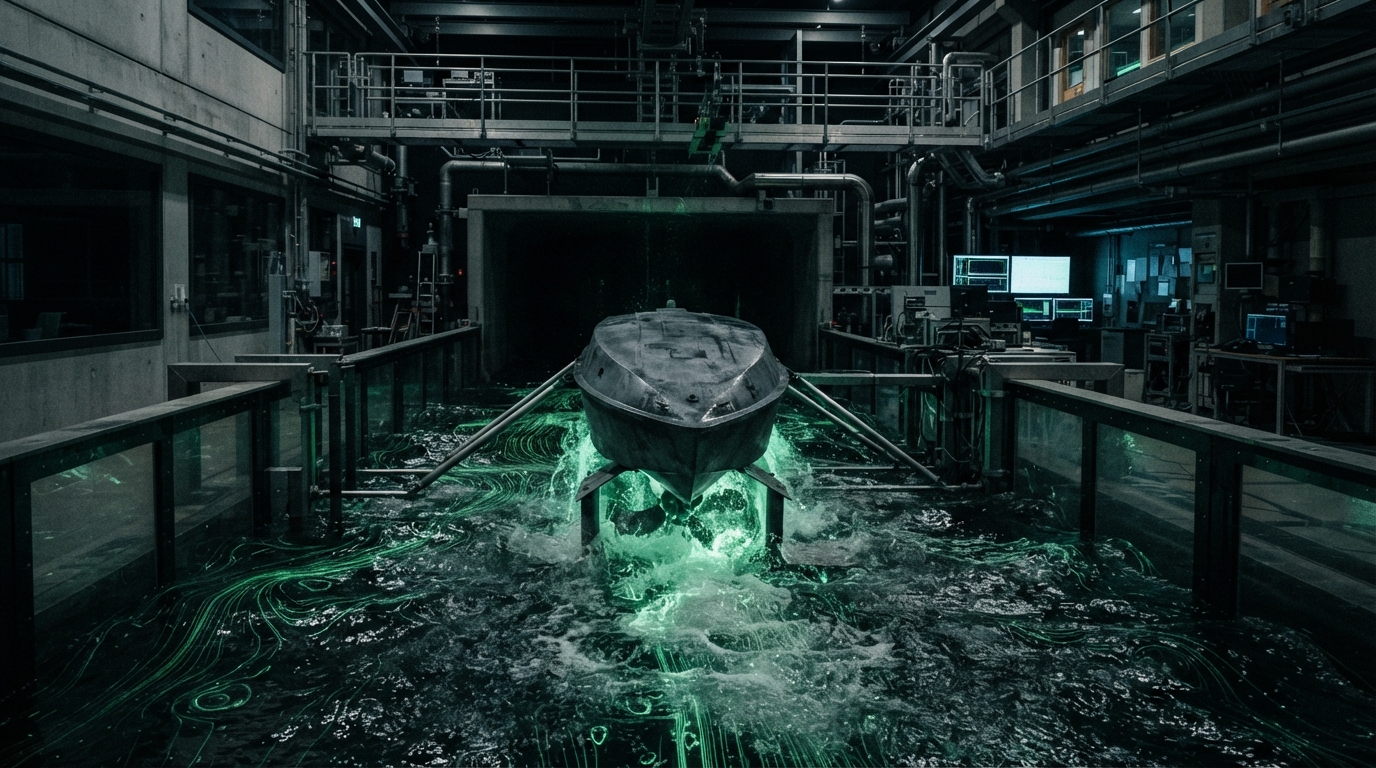
Hull design, weight distribution, drag reduction, and propulsion efficiency become central to performance. Craft that travel further, operate longer, and handle better on the same energy outperform those that simply chase higher output.
This shift favours thoughtful engineering over brute-force design. Over the decade, efficiency becomes the primary competitive differentiator.
Sixth Change: Environmental Impact Becomes Measurable and Practical
Early discussions around electric water sports often leaned on abstract environmental arguments. Over time, this gives way to measurable outcomes.
Electric craft eliminate fuel spills, reduce noise pollution, and minimise localised emissions. These effects are visible and quantifiable. As evidence accumulates, environmental benefits become a practical consideration rather than a philosophical one.
This matters because policy decisions are driven by data. Once benefits are documented clearly, preferential treatment becomes easier to justify.
Seventh Change: Ownership Models Begin to Shift
Electric systems change ownership expectations. With fewer mechanical wear components and greater reliance on electronics, upgrade cycles become shorter and more modular.
Batteries, controllers, and software evolve faster than hulls. This opens the door to staged upgrades, service-based ownership models, and long-term support frameworks that differ from traditional boat ownership.
While this change develops gradually, it begins early as manufacturers design products with modularity in mind.
Eighth Change: Infrastructure Follows Usage Patterns
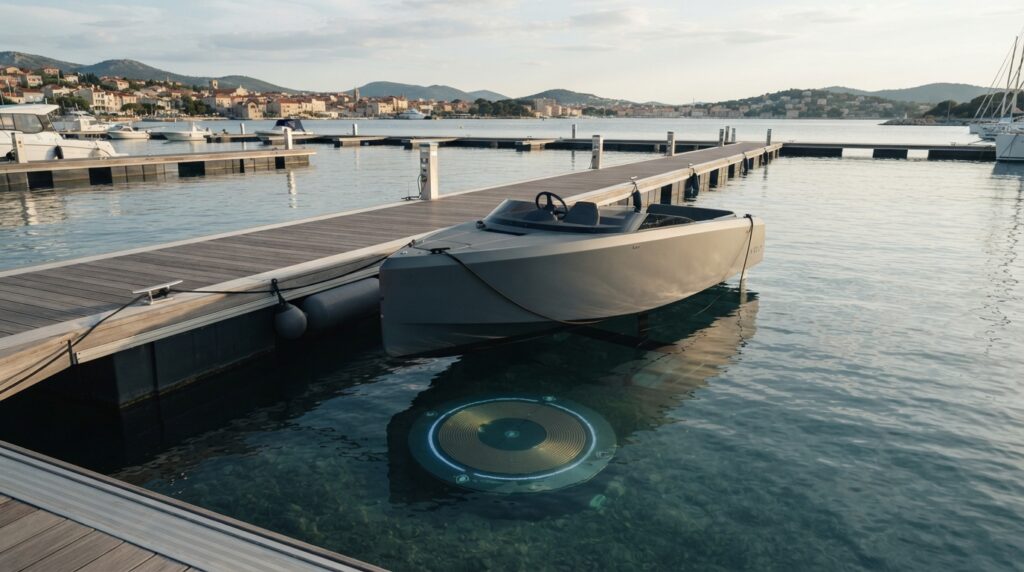
A common misconception is that electric water sports require extensive charging infrastructure before they can grow. In practice, most usage patterns are already well served by home charging and transportable batteries.
Short sessions and predictable use mean infrastructure expands organically rather than needing large upfront investment. This mirrors the early evolution of electric vehicles and follows the same logic.
Infrastructure adapts to behaviour, not the other way around.
Ninth Change: Regulation Becomes More Nuanced
Electric watercraft enable more refined regulation. Quiet, controllable craft allow authorities to differentiate between use cases rather than applying blanket restrictions.
Australia’s decentralised regulatory environment is well suited to this evolution. Expect clearer distinctions between craft categories, usage zones, and operating conditions rather than heavier regulation overall.
This change reinforces adoption rather than hindering it.
Tenth Change: Cultural Normalisation Accelerates Adoption
Perhaps the most powerful change is cultural. As electric watercraft become familiar, they cease to be defined by their power source. They simply become watercraft.
Once this normalisation occurs, adoption accelerates rapidly. The tipping point is psychological, not technological.
Why These Changes Occur in This Order
Control, quiet operation, and small-craft capability change first because they are immediately experienced. Ownership models, regulation, and infrastructure follow because they respond to real-world usage.
This sequence mirrors other technological transitions. Understanding the order matters as much as understanding the outcome.
Implications for the Next Decade
For buyers, the next decade rewards discernment over hype. For manufacturers, it rewards engineering integrity. For authorities, it offers an opportunity to modernise regulation intelligently.
Electric water sports are not about replacing petrol engines with batteries. They are about redesigning the entire experience around how people actually use watercraft.
Conclusion: A Decade Defined by Practical Evolution
The next ten years in water sports will be shaped less by spectacle and more by practicality. Control, efficiency, safety, and accessibility will define success.
Electric water sports will not dominate because they are new. They will dominate because they make sense.
Those who understand this now will shape the future rather than reacting to it later.
See More at www.vectorwatercraft.com.au.