
The turning point: from novelty to inevitability
Electric power in water sports has moved past the “interesting experiment” stage. In Australia, you can see the direction of travel clearly: more electric cars on the road, more charging infrastructure at marinas and coastal towns, more public attention on noise and emissions in waterways, and more buyers wanting performance without the maintenance and mess that comes with petrol engines. Water sports have always followed technology. Outboard engines replaced oars. Fibreglass replaced timber for mass production. GPS and digital mapping changed navigation and safety. Electric propulsion is the next step, and it is a bigger leap than most people realise.
The future isn’t electric because it is fashionable. It’s electric because it is better aligned with the practical needs of riders, families, clubs, councils, and rescue organisations. It reduces friction in ownership. It improves controllability. It makes water sports quieter and cleaner. And as battery systems mature, it becomes economically sensible as well.
Electric power doesn’t merely replicate what petrol power did. It changes the shape of the entire experience. It expands where craft can be used, who can use them safely, and how products can be designed. In the same way the smartphone wasn’t just a better telephone, electric propulsion isn’t just a cleaner engine. It’s a new platform for water sports.
Performance that feels different: torque, response, control
One reason electric power is winning in water sports is that it delivers the kind of performance riders actually feel. Petrol engines produce power through combustion cycles and must build revs before reaching strong torque. That’s why petrol craft often have a “lag” — a moment between throttle input and meaningful acceleration. Electric motors are different. They produce high torque from standstill. That means immediate thrust, immediate response, and smoother control across the speed range.
For many water sports categories, this matters more than top speed. In real conditions, riders want clean acceleration out of turns, predictable power delivery when launching, and fine control in crowded waterways. Electric systems excel here because they are digitally controlled and inherently precise. Throttle becomes a signal rather than a mechanical command. Controllers can smooth spikes, limit torque for beginners, and deliver stronger acceleration for advanced riders without changing the hardware.
This is not a minor advantage. It changes safety and confidence. A craft that responds predictably makes it easier for new riders to learn and easier for experienced riders to manage risk. In Australian waterways—where you often have swimmers, paddlers, boats, and surf conditions sharing space—predictability and control are crucial.
Quiet is not a luxury: it’s the new access pass
Noise has always been a sticking point for petrol watercraft. The sound travels far over water. It disrupts residential zones, coastal parks, and wildlife areas. In some places, noise is the single biggest reason councils and communities push back against traditional PWCs and petrol-powered craft.
Electric power changes this immediately. Quiet operation means less conflict. It means access to waterways that have become sensitive to noise complaints. It makes early-morning and late-afternoon use more acceptable. It reduces the “intrusive footprint” of water sports in shared environments.
In practical terms, quiet power is becoming a form of social licence. It allows water sports to expand rather than contract. If you’re building a future-facing water sports market in Australia, you want products that can operate with minimal friction in communities where environmental and lifestyle concerns are rising.
Quiet also changes the rider experience. The water feels closer. You hear the wind and surface instead of exhaust. Families find it less intimidating. Training environments become calmer. For rescue and patrol operations, quiet can be a strategic advantage as well.
Maintenance reality: fewer moving parts, fewer headaches
Water and petrol engines are not natural friends. Saltwater accelerates corrosion. Cooling pathways block. Fuel systems degrade. Impellers and wear rings suffer damage. Maintenance is constant, and for many owners it becomes the reason they use their craft less than they intended.
Electric power reduces the mechanical complexity dramatically. An electric motor has fewer moving parts than a combustion engine. There is no oil to change, no spark plugs, no fuel injectors, no exhaust system, and far fewer vibration-related failures. Electronic systems still require care, and marine sealing must be excellent, but the overall burden of maintenance is lower and more predictable.
This matters in Australia where a large portion of recreational users are not mechanically inclined and do not want ongoing servicing. When buyers compare ownership experience—especially over several years—electric becomes compelling. Less downtime. Less surprise cost. More reliability. More time on the water.
Total cost of ownership is heading electric
Upfront price has often been the barrier to electric adoption, but that barrier is shrinking. Battery costs have been falling over time, and performance per dollar is improving. Meanwhile, petrol costs, servicing costs, and compliance costs continue to rise.
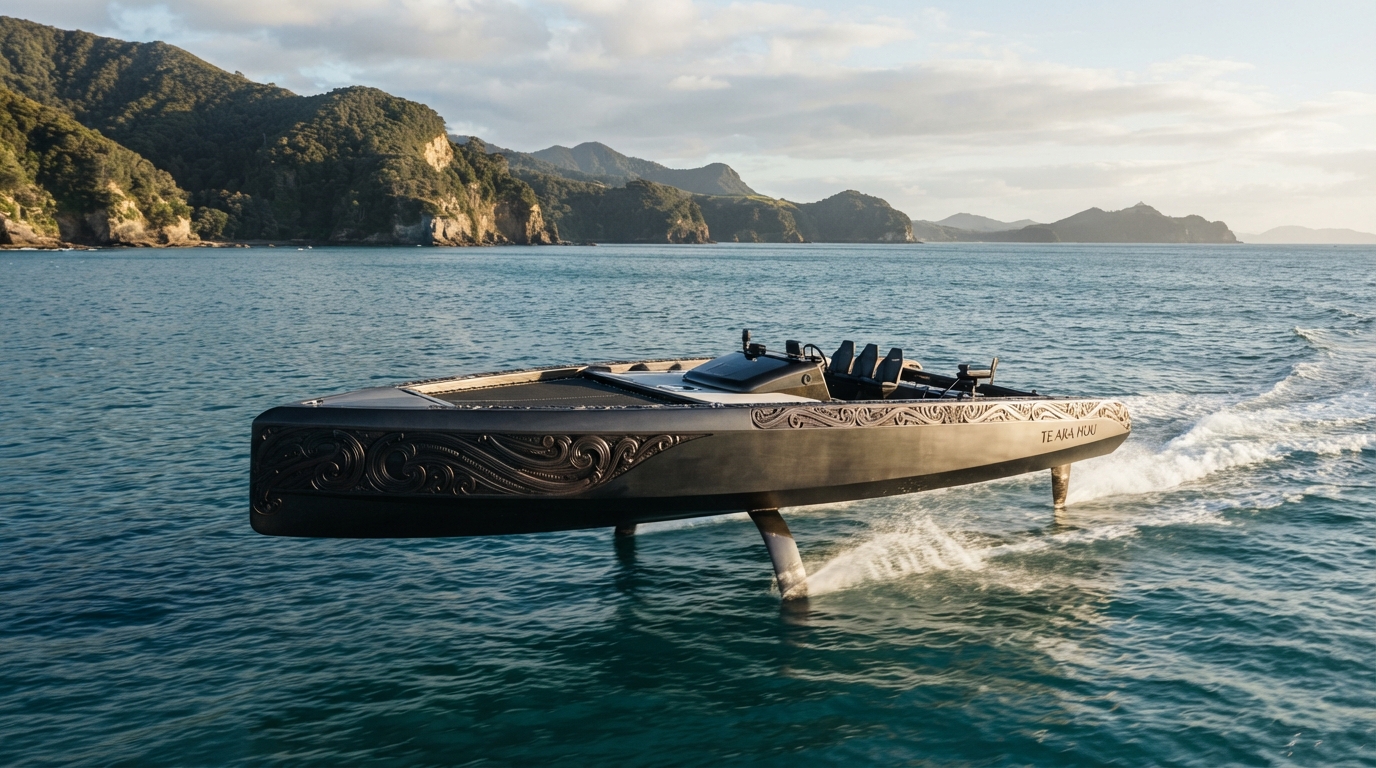
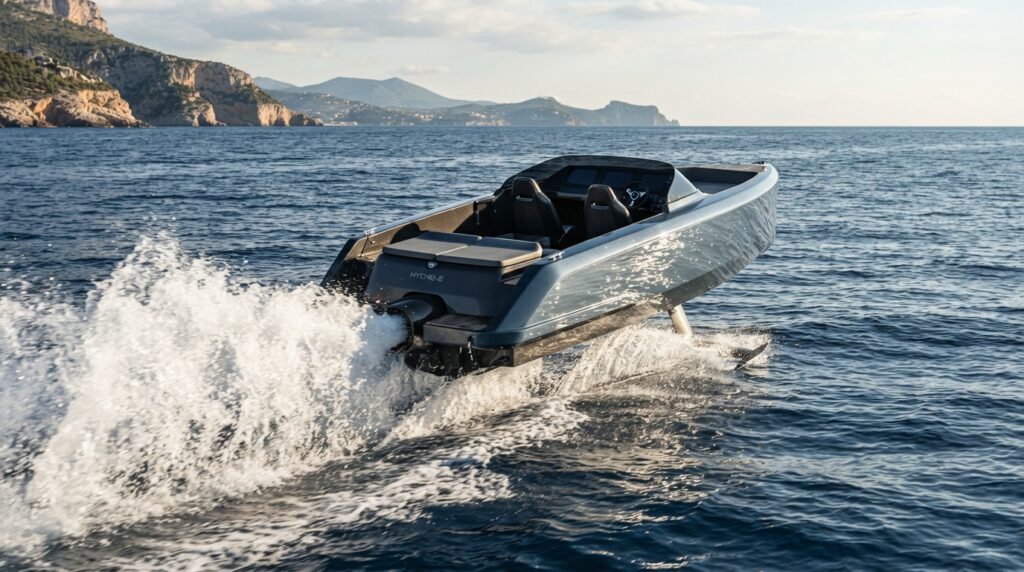
Electric craft also offer better energy efficiency. Much of the energy in petrol fuel is lost as heat. Electric motors convert a high percentage of energy into useful thrust. When you combine that efficiency with smarter hull design and the possibility of foiling or low-drag forms, the operating cost advantage becomes stronger.
In the Australian context, this is meaningful because many buyers want predictable budgeting. Clubs and organisations want equipment with known lifecycle costs. Operators who run fleets—hire businesses, tour operators, rescue services—need reliability and lower operating expenses. Electric systems fit these needs increasingly well.
Charging and infrastructure: the “EV effect” is coming to marinas
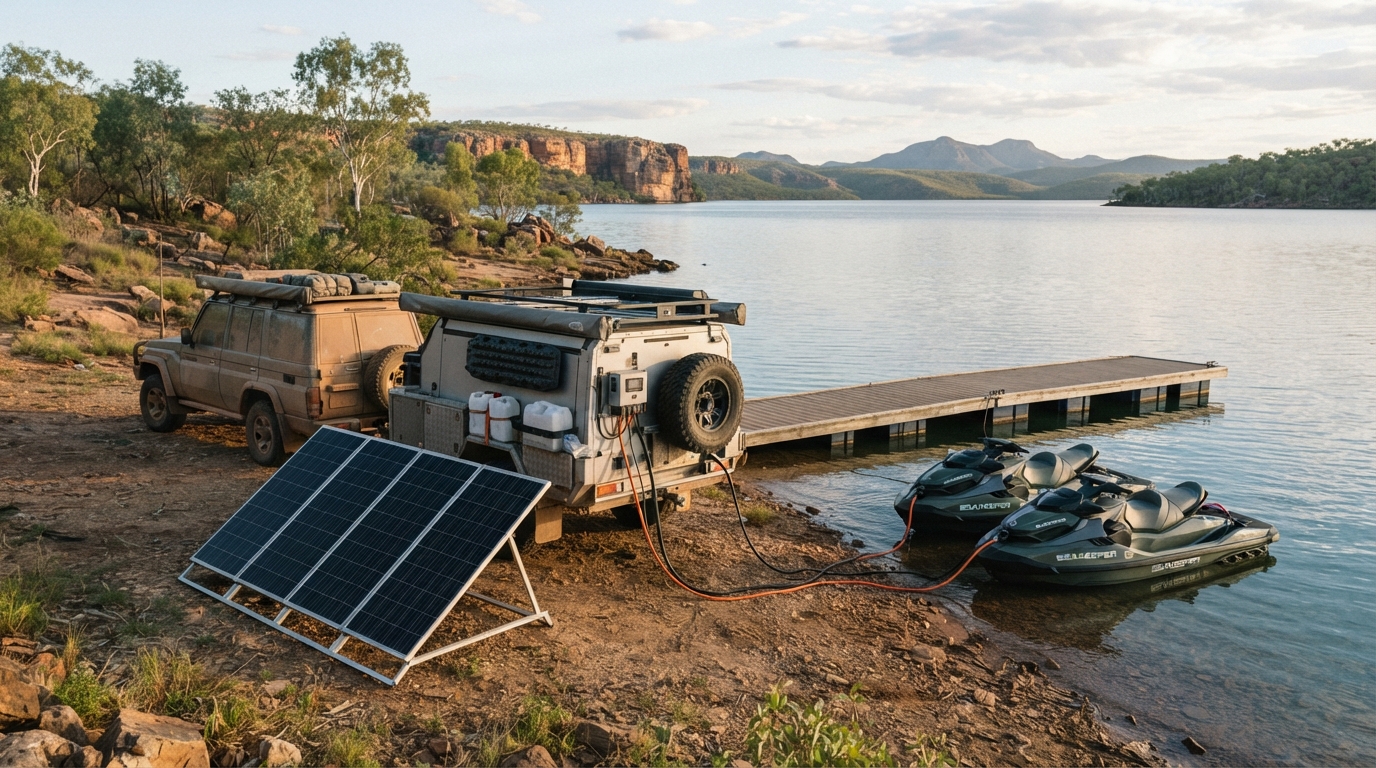
Charging used to be the common objection: “Where will I charge it?” This is changing for the same reason it changed in cars—wider adoption creates infrastructure. Marinas, waterfront facilities, and regional towns are adding EV-style charging. Private owners install charging at home. Fleet operators implement overnight charging routines. Portable solutions and generator-backed charging systems cover remote use cases.
Battery swap models may also emerge for specific categories, particularly where craft are used repeatedly throughout the day. As infrastructure grows, range anxiety shrinks. The market becomes more comfortable. Adoption accelerates.
Australia is well positioned for this shift because many recreational users operate within predictable patterns: river runs, bay sessions, lake use, coastal rides near towns. Most usage fits inside realistic electric ranges, especially as energy density improves.
Design freedom: electric power changes what a craft can be
Traditional water sports equipment was often designed around engines. Engines are bulky, heavy, and fixed in placement. Electric motors are smaller, and batteries can be distributed. This gives designers far more freedom.
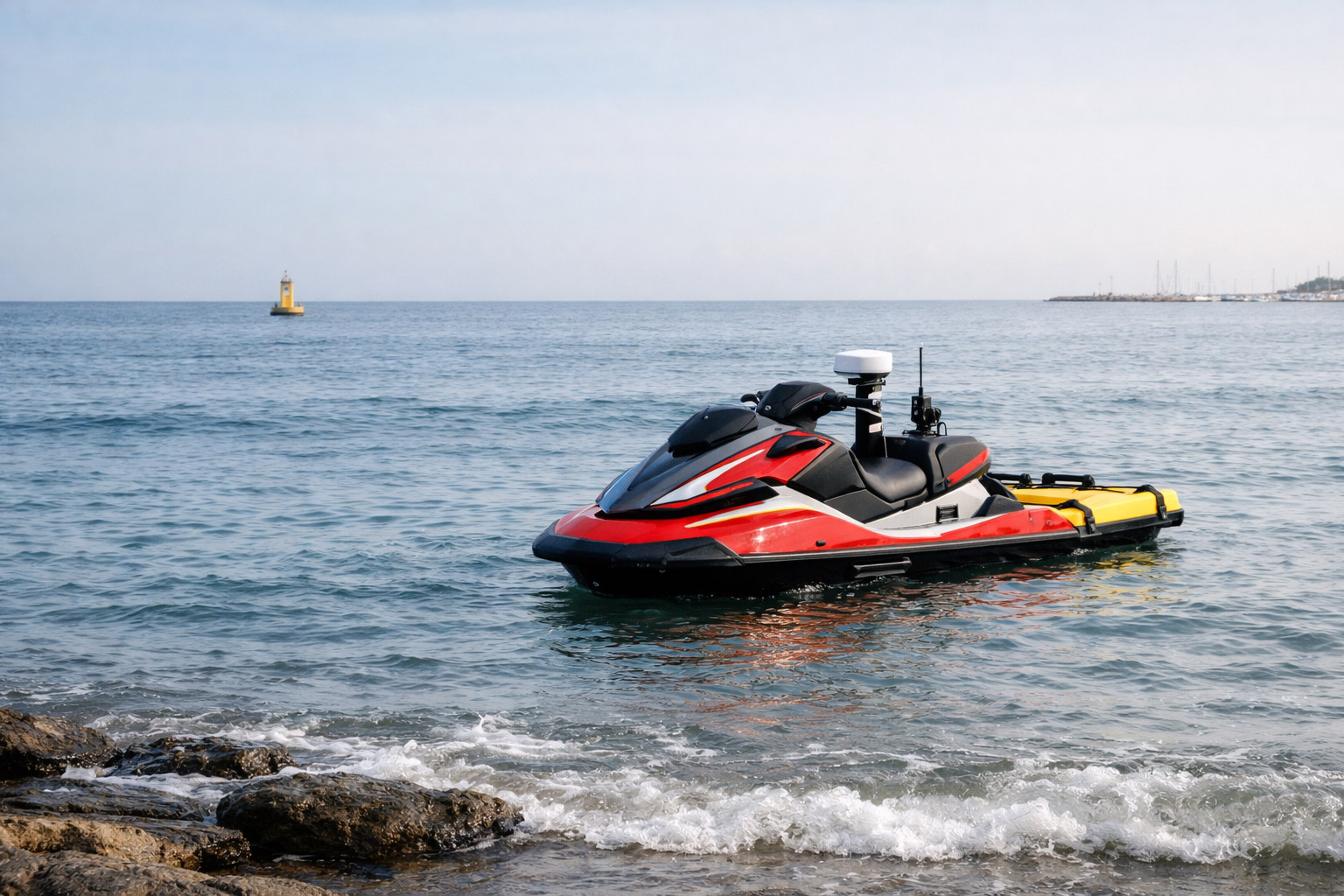
It enables new categories and hybrids. Small electric jet boats that behave like personal watercraft. Rescue craft that can deploy quickly with minimal training. Boards, foils, and scooters that integrate intelligent stability systems. Modular systems where propulsion units can be swapped or upgraded. Platforms where software updates improve performance over time.
Electric power makes water sports equipment more like modern technology products: upgradeable, adaptable, and designed around the user experience rather than the engine constraints.
Safety and standards: electric systems can be engineered for control
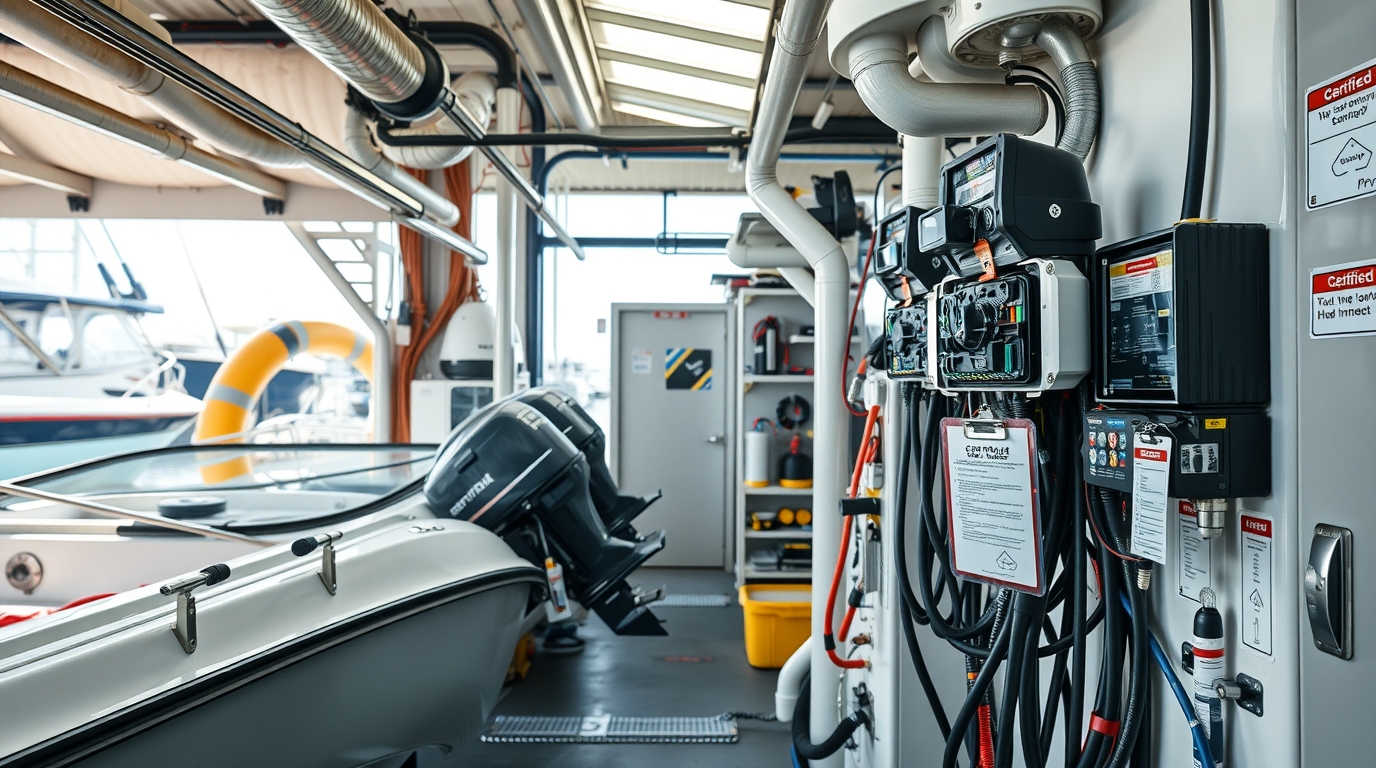
A common misconception is that electric equals risky. In reality, electric systems can be engineered to be safer because they are controllable and monitored. Battery management systems track temperature, voltage, current, and charging behaviour. Controllers can limit output based on conditions. Diagnostics can alert users early. Fail-safes can be integrated.
The key is proper engineering, marine-grade sealing, quality cells, robust thermal management, and disciplined compliance with standards. When done properly, electric systems can reduce certain risks common in petrol craft: fuel leaks, exhaust hazards, and mechanical failures from vibration and poor servicing.
For water sports organisations and rescue-adjacent operations, the ability to monitor systems and predict issues is valuable. It shifts safety from reactive to proactive.
Environmental reality: clean waterways are a business advantage
Australia’s waterways are part of our identity. Rivers, bays, beaches, and lakes are shared assets. Public concern about pollution and noise is not going away. Electric propulsion addresses this directly.
Zero local emissions means no exhaust fumes on the water and no fuel slick risk from routine use. Reduced noise supports wildlife and community acceptance. Lower wake designs and foiling options can reduce shoreline erosion impact in sensitive zones.
For brands building trust, environmental responsibility is not just an ethical position. It is a commercial advantage. Buyers increasingly want to feel good about their purchase. Councils and clubs want equipment aligned with public values. Electric meets that need.
The future is a platform, not a product
The most important reason electric power is the future is that it forms a platform for innovation. Once propulsion is electrified, it integrates naturally with digital systems: GPS integration, geofencing, theft protection, speed limiting in designated zones, training modes, user profiles, and remote diagnostics.
These features are difficult to integrate cleanly into traditional combustion platforms because mechanical behaviour is less controllable and systems are not inherently digital. Electric allows a software-defined experience. That means faster iteration and continuous improvement.
Over time, electric craft will become smarter, safer, and more tailored to different user groups. That progress compounds. Petrol does not compound in the same way.
Conclusion: electric is where the momentum and logic converge
Electric power is the future of water sports because it aligns with performance, usability, cost, environmental expectations, and innovation speed. It reduces the unpleasant parts of ownership and increases the enjoyable parts of riding. It expands access and acceptance. It enables new categories that go beyond traditional jet skis and boats.
In Australia, where water sports sit alongside family recreation, surf culture, and public safety needs, electric propulsion is particularly well suited. The market will still have petrol craft for some time, but the direction is set. The future is electric because the practical advantages are too strong, and the pace of improvement is too fast to ignore.
See More at www.vectorwatercraft.com.au.