For most of modern history, access to water sports has been tightly coupled to infrastructure. Marinas, fuel docks, boat ramps, trailers, storage yards, service facilities, and regulatory frameworks built around them have shaped who can participate, how often, and at what cost.
This dependency has acted as a silent gatekeeper.
Electric and next-generation watercraft are now dismantling that model. Infrastructure-free adoption is emerging as one of the most powerful and underestimated forces reshaping water sports. By reducing or eliminating reliance on fixed facilities, modern watercraft are expanding access, lowering ownership barriers, and redefining how and where people engage with the water.
This shift is not incremental. It is structural.
Why traditional infrastructure shaped water sports for decades
Petrol-powered watercraft were inseparable from infrastructure because their operation demanded it.
Fuel storage required regulated facilities. Engines required specialist servicing. Hulls and drivetrains imposed minimum size and weight thresholds that necessitated trailers, ramps, and lifting equipment. Noise, emissions, and safety concerns confined use to designated areas with established oversight.
As a result, participation in water sports became geographically and economically constrained. Access depended on proximity to marinas or ramps. Ownership implied ongoing fees, storage arrangements, and maintenance commitments. Casual or spontaneous use was difficult.
Infrastructure was not a convenience. It was a prerequisite.
Electrification breaks the dependency loop
Electric propulsion fundamentally changes this equation.
Electric watercraft eliminate fuel handling, reduce maintenance complexity, and operate quietly and cleanly. Many are lighter, more compact, and easier to transport or deploy without specialised equipment.
Charging can occur almost anywhere power is available. Maintenance intervals are longer and less specialised. Noise and emissions constraints are dramatically reduced.
This breaks the historical loop where infrastructure enabled use, and use justified infrastructure.
Instead, watercraft can now exist independently of fixed facilities.
Portable platforms redefine access
One of the clearest enablers of infrastructure-free adoption is portability.
Electric mini jet boats, compact PWCs, electric surfcraft, and rescue platforms are increasingly designed to be:
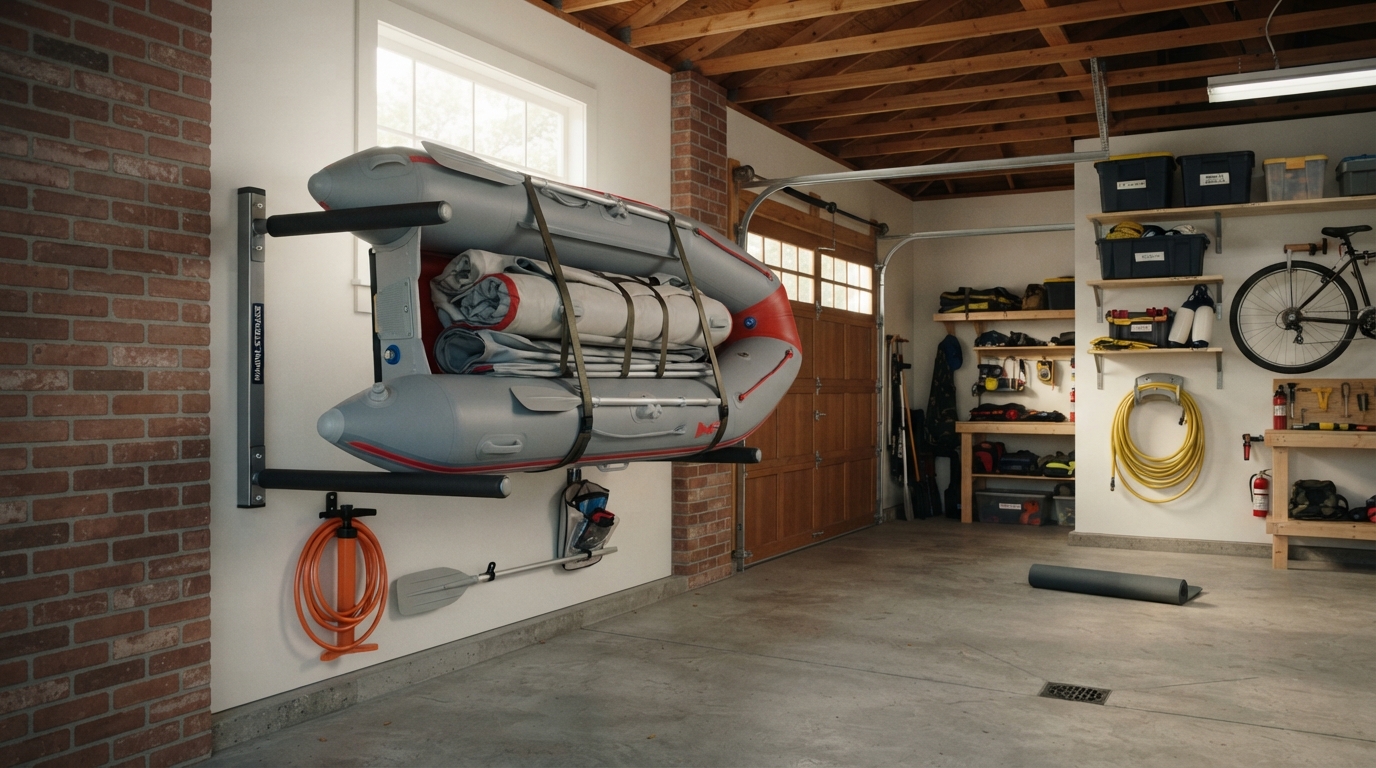
- Lightweight enough for manual handling or simple trolleys
- Compact enough for standard vehicles
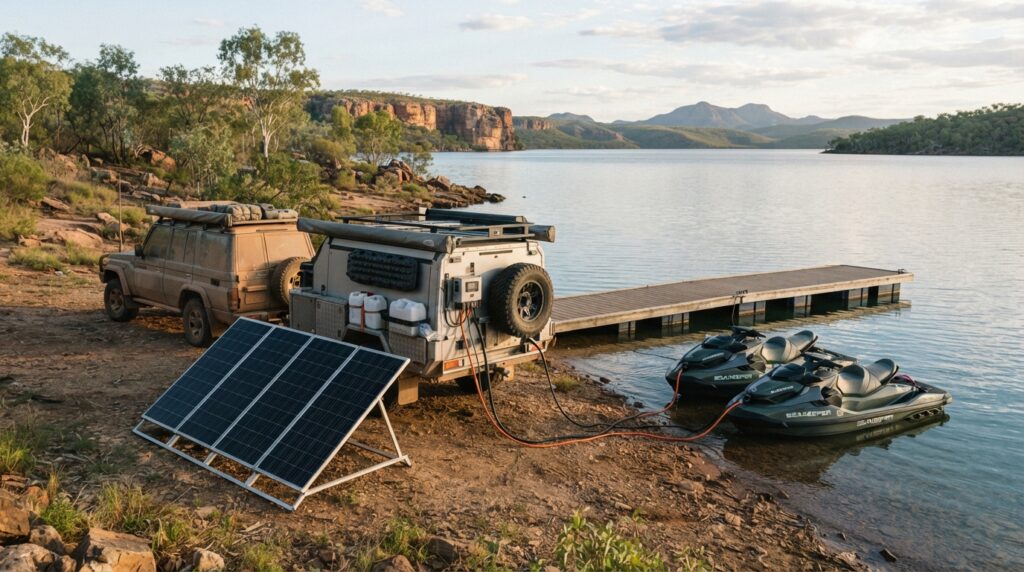
- Deployable from beaches, riverbanks, or informal access points
- Retrievable without ramps or cranes
This dramatically expands where watercraft can be used.
Rivers without ramps, remote coastlines, inland lakes, estuaries, and temporary deployment zones all become viable. Access is no longer limited to sites justified by infrastructure investment.
Water sports become opportunistic rather than scheduled.
Charging replaces fuelling
Fuel logistics have always been one of the most restrictive aspects of watercraft ownership.
Fuel storage regulations, spill risks, fire hazards, and cost volatility all add friction. Fuel docks are centralised by necessity.
Electric charging decentralises energy access.
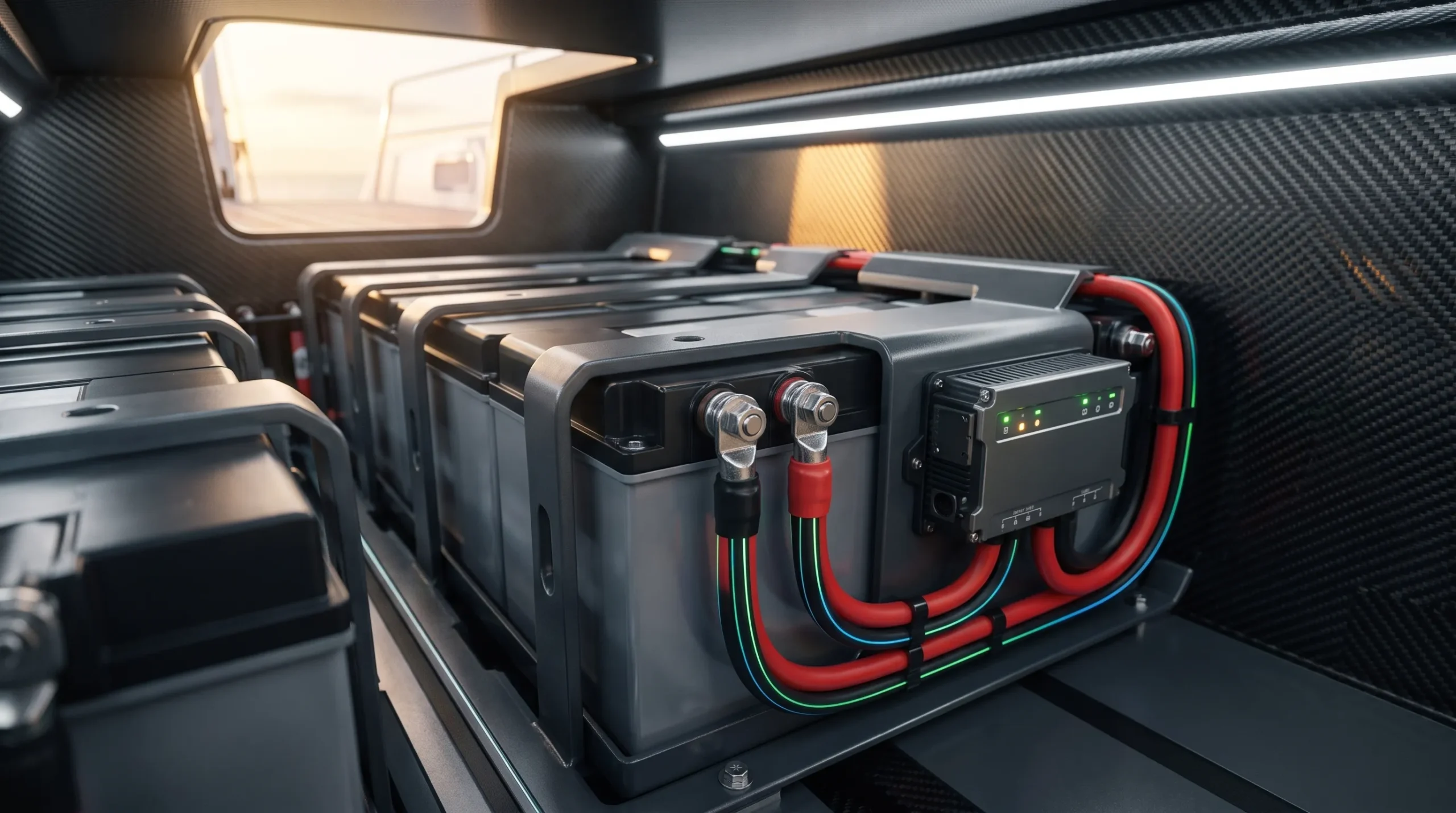
Charging can occur at homes, campsites, depots, clubs, councils, or mobile generators. In many cases, batteries can be swapped or charged off-site. Solar-assisted charging further extends independence.
This flexibility removes the need to plan activity around fuel availability. It also reduces regulatory complexity and environmental risk.
Energy becomes portable.
Reduced maintenance enables independence
Internal combustion engines demand regular servicing by trained technicians. Saltwater environments accelerate wear. Breakdowns often require towing or specialist recovery.
Electric drivetrains are simpler, with far fewer moving parts. There are no oil changes, no fuel filters, no exhaust systems, and significantly reduced vibration.
This reliability supports infrastructure-free use. Craft can be deployed in remote locations with confidence. Downtime is reduced. Ownership becomes less dependent on proximity to service centres.
For professional users, this predictability is particularly valuable.
Quiet operation expands usable locations
Noise has long dictated where watercraft are permitted.
Many waterways restrict petrol-powered craft due to noise complaints, wildlife disturbance, and community impact. These restrictions effectively reserve access for those with infrastructure-supported locations.
Electric watercraft operate quietly enough to coexist with residential, environmental, and recreational settings.
This opens waterways previously inaccessible to powered craft. Lakes, rivers, and protected zones become viable without triggering opposition or regulatory barriers.
Infrastructure-free adoption is as much social as it is technical.
Decentralised ownership models emerge
As infrastructure requirements fall, ownership models evolve.
Rather than storing craft at marinas, owners can keep them at home. Rather than centralised fleets, councils and organisations can deploy distributed assets closer to where they are needed.
This decentralisation improves response times, reduces congestion, and lowers overheads.
In rescue and public safety contexts, infrastructure-free deployment can mean the difference between availability and absence.
Professional and institutional acceleration
Professional users are among the fastest adopters of infrastructure-free watercraft.
Councils, surf life saving clubs, environmental agencies, and emergency services often operate across wide geographic areas with limited infrastructure coverage.
Electric and modular watercraft allow them to deploy capability where it is needed rather than where infrastructure exists.
This inversion is critical.
Rather than asking “where can we operate?”, organisations now ask “where are we needed?”
Infrastructure-free platforms answer that question directly.
Reduced barriers to entry for new users
Traditional water sports have high barriers to entry.
Cost, complexity, storage, transport, and maintenance discourage many potential users. Infrastructure-free watercraft lower these barriers significantly.
Smaller, lighter, easier-to-use craft make participation more accessible. Reduced ongoing costs make ownership viable for more people. Simpler logistics encourage spontaneous use rather than infrequent, planned outings.
This expansion of the user base is essential for long-term market growth.
Temporary and pop-up deployment
Infrastructure-free watercraft enable temporary deployment models.
Events, seasonal operations, training programmes, and emergency responses can all benefit from assets that do not require permanent facilities.
Pop-up rescue stations, temporary patrol zones, and seasonal recreation areas become feasible without long-term investment.
This flexibility aligns with modern operational thinking across industries.
Environmental and regulatory alignment
Reducing infrastructure dependency also reduces environmental impact.
Fewer marinas mean less dredging, shoreline modification, and habitat disruption. Reduced fuel handling lowers spill risk. Quiet operation reduces wildlife disturbance.
Regulators increasingly favour solutions that minimise permanent environmental footprint.
Infrastructure-free watercraft align naturally with these priorities, accelerating approval and acceptance.
Economic implications for manufacturers
Manufacturers that design for infrastructure independence unlock broader markets.
Products no longer need to target only established boating communities. They can reach inland users, remote communities, and organisations without existing facilities.
This expands addressable markets significantly.
It also shifts competitive dynamics. Legacy manufacturers tied to traditional assumptions may struggle to adapt, while new entrants build platforms around flexibility from the outset.
Cultural change in water sports participation
Perhaps the most profound impact of infrastructure-free adoption is cultural.
Water sports begin to resemble cycling, hiking, or camping rather than traditional boating. Participation becomes personal, mobile, and integrated into everyday life.
This cultural shift supports higher frequency of use, stronger user engagement, and deeper emotional connection.
Watercraft are no longer occasional indulgences. They become regular companions.
Limitations and realistic constraints
Infrastructure-free does not mean infrastructure-free in every context.
Some craft will always require ramps, docks, or facilities. Large vessels, commercial operations, and certain environments still demand traditional support.
However, the direction of travel is clear.
A growing share of water sports activity is moving away from fixed infrastructure dependency, and that share will continue to expand.
Long-term market implications
As infrastructure-free platforms proliferate, markets will fragment and diversify.
Manufacturers, regulators, and service providers must adapt to a world where watercraft are deployed widely rather than clustered.
Support models, training, insurance, and regulation will all evolve accordingly.
Those who understand this shift early will shape standards rather than chase them.
The long-term outlook
Infrastructure-free watercraft adoption is not a niche trend. It is a foundational change in how water sports integrate into modern life.
By breaking dependency on fixed facilities, electric and next-generation watercraft expand access, reduce cost, improve responsiveness, and align with environmental and social expectations.
This shift changes not just what watercraft are, but who they are for.
The future of water sports will not be built around marinas.
It will be built around mobility, flexibility, and independence.
See More at www.vectorwatercraft.com.au