
Introduction: When Proven Design Meets New Reality
For centuries, boat design evolved slowly, guided by experience, incremental experimentation, and hard physical constraints. Hulls were shaped to displace water efficiently, engines were positioned where weight and balance allowed, and materials were selected based on durability rather than optimisation. This conservative evolution made sense in an era when propulsion options were limited and failure at sea carried severe consequences.
Today, those constraints no longer apply in the same way. Electric propulsion, advanced materials, digital control systems, and computational modelling are challenging assumptions that once defined marine architecture. What worked for centuries is no longer optimal, and in many cases, no longer competitive.
This article explains why traditional boat design is being challenged, what forces are driving that change, and how future watercraft are departing from long-standing conventions.
The Foundations of Traditional Boat Design
Traditional boats were designed around three immutable realities: buoyancy, propulsion, and structural strength. Hulls needed sufficient displacement to carry weight, engines needed space and cooling, and materials had to withstand corrosion, impact, and fatigue.
Designers optimised within narrow parameters. Displacement hulls prioritised efficiency at low speeds. Planing hulls sacrificed efficiency for speed by riding atop the water. Semi-displacement designs attempted compromise. Each category solved specific problems but introduced unavoidable trade-offs.
These forms became institutionalised. Boat builders refined them, regulators codified them, and consumers learned to expect them. Innovation focused on refining details rather than questioning fundamentals.
That stability is now eroding.
Drag: The Core Limitation of Traditional Hulls
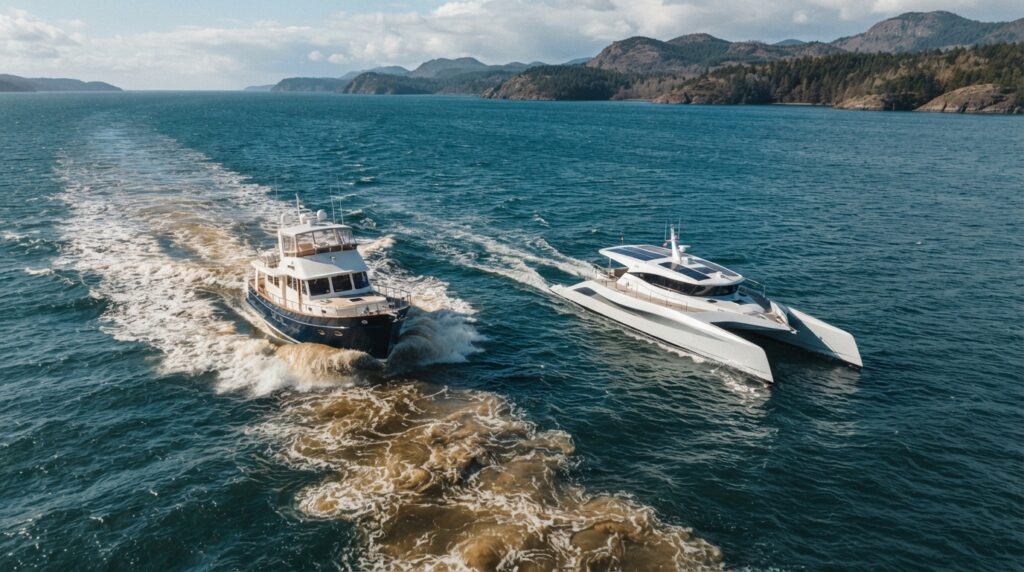
Water resistance is the enemy of speed and efficiency. Traditional hulls generate drag through three primary mechanisms: frictional drag from wetted surface area, wave-making resistance, and pressure drag as speed increases.
Historically, the only solution was more power. Larger engines overcame drag through brute force. This approach worked when fuel was cheap and emissions were unregulated. It no longer works in a world that values efficiency, sustainability, and access to shared waterways.
Modern computational tools reveal just how inefficient traditional hulls are at higher speeds. Much of the energy produced by engines is wasted overcoming drag rather than producing useful motion.
Once designers understood this at a granular level, the logic of conventional hulls began to unravel.
Electric Propulsion Breaks the Engine-Centric Layout
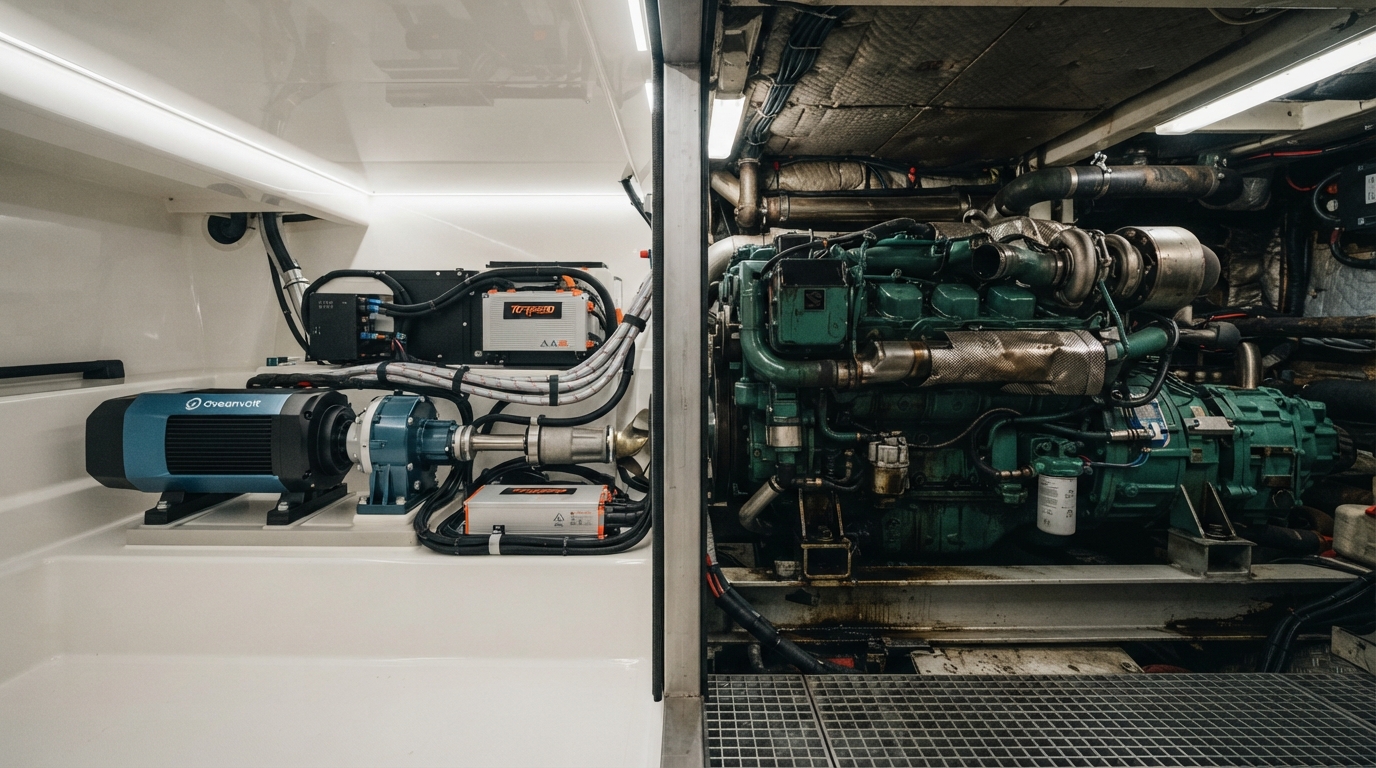
Internal combustion engines dictated boat design for over a century. Engines were heavy, bulky, and required fixed mounting locations. Fuel tanks, exhaust systems, intakes, and cooling infrastructure further constrained layout.
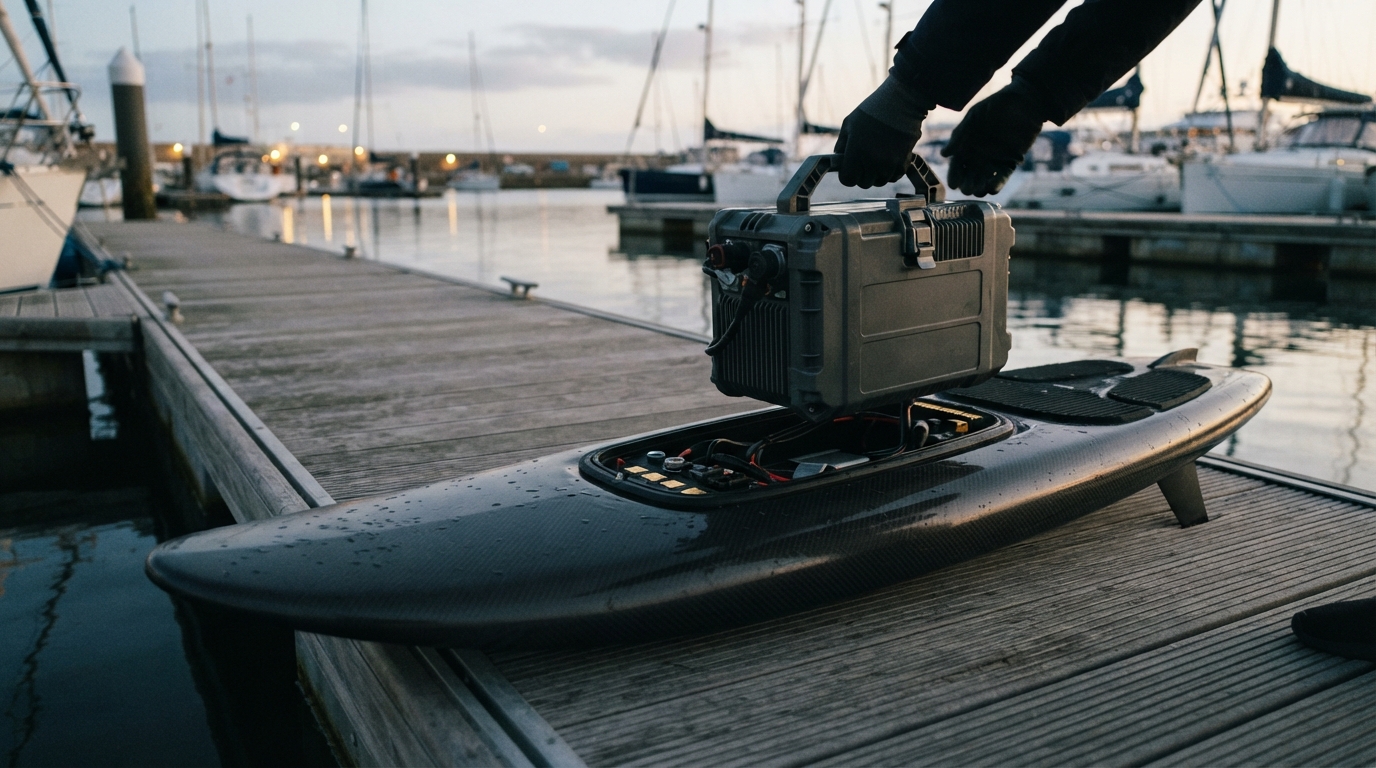
Electric propulsion removes those constraints. Motors are compact and can be placed wherever balance and efficiency demand. Batteries can be distributed across the hull for optimal weight distribution. Cooling systems are simpler and quieter.
This flexibility allows designers to rethink hull proportions entirely. Narrower hulls become viable. Multi-hull platforms gain advantages. Low-profile craft reduce wind resistance. The engine no longer defines the boat; the hydrodynamics do.
This shift alone is enough to challenge traditional design norms.
Hydrofoils: Reducing the Hull’s Role
Hydrofoils represent one of the most disruptive forces in marine design. By lifting the hull above the water at speed, foils eliminate most drag. Traditional boats rely on hull contact for stability and lift. Foiling craft do not.
In the past, foils were mechanically complex and difficult to control. Modern electric systems change that. Sensors monitor pitch, roll, and speed hundreds of times per second. Electric motors respond instantly, adjusting thrust to maintain stability.
The result is a craft that behaves less like a boat and more like a controlled flight system operating just above the water’s surface. Hull design becomes secondary. Lift surfaces and control algorithms take precedence.
This fundamentally challenges the idea that a boat must always sit in the water to function effectively.
Materials Science Redefines Structural Assumptions
Traditional boats relied on timber, steel, aluminium, and later fibreglass. These materials are strong and proven, but heavy. Designers compensated with thicker laminates and reinforced frames.
Advanced composites change that equation. Carbon fibre, hybrid laminates, and resin-infused structures deliver exceptional strength at a fraction of the weight. Flex characteristics can be engineered rather than accepted as a limitation.
Lighter structures reduce power requirements, improve handling, and extend range for electric craft. They also allow shapes that were previously impractical due to weight or structural constraints.
As materials improve, traditional assumptions about thickness, reinforcement, and hull stiffness no longer apply.
Digital Design and Simulation Replace Trial and Error
Historically, hull design relied heavily on experience and physical prototyping. Changes were costly and slow. Designers avoided radical departures because mistakes were expensive.
Today, computational fluid dynamics and digital twins allow designers to simulate thousands of hull variations before a prototype is built. Performance can be evaluated across wave states, speeds, and load conditions with remarkable accuracy.
Artificial intelligence further accelerates optimisation by identifying non-intuitive solutions that outperform traditional forms. This data-driven approach exposes inefficiencies embedded in legacy designs.
Once designers see objectively better solutions, adherence to tradition becomes indefensible.
Adaptive Systems Replace Static Geometry
Traditional boats are static objects. Their hull shape never changes. Trim tabs and rudders offer limited adjustment, but the underlying geometry remains fixed.
Modern watercraft increasingly use adaptive systems. Electronically controlled foils adjust angle dynamically. Active trim systems alter running attitude. Thrust vectoring modifies directional forces in real time.
These systems allow craft to adapt to conditions rather than compromise for them. Calm water, chop, high speed, and low speed can each be optimised dynamically.
Static hull design becomes a limitation in a world of adaptive control.
Noise, Vibration, and User Experience
Traditional boats are noisy. Engines vibrate. Exhaust reverberates across water. While some riders associate noise with power, broader audiences increasingly see it as intrusive.
Electric craft operate quietly and smoothly. This changes how boats are used. Conversations become possible. Wildlife disturbance decreases. Access to restricted waterways increases.
Designers now prioritise human experience alongside performance. Quiet propulsion allows different layouts, seating positions, and interaction with surroundings.
User expectations are shifting, and traditional designs struggle to meet them.
Environmental and Regulatory Pressure
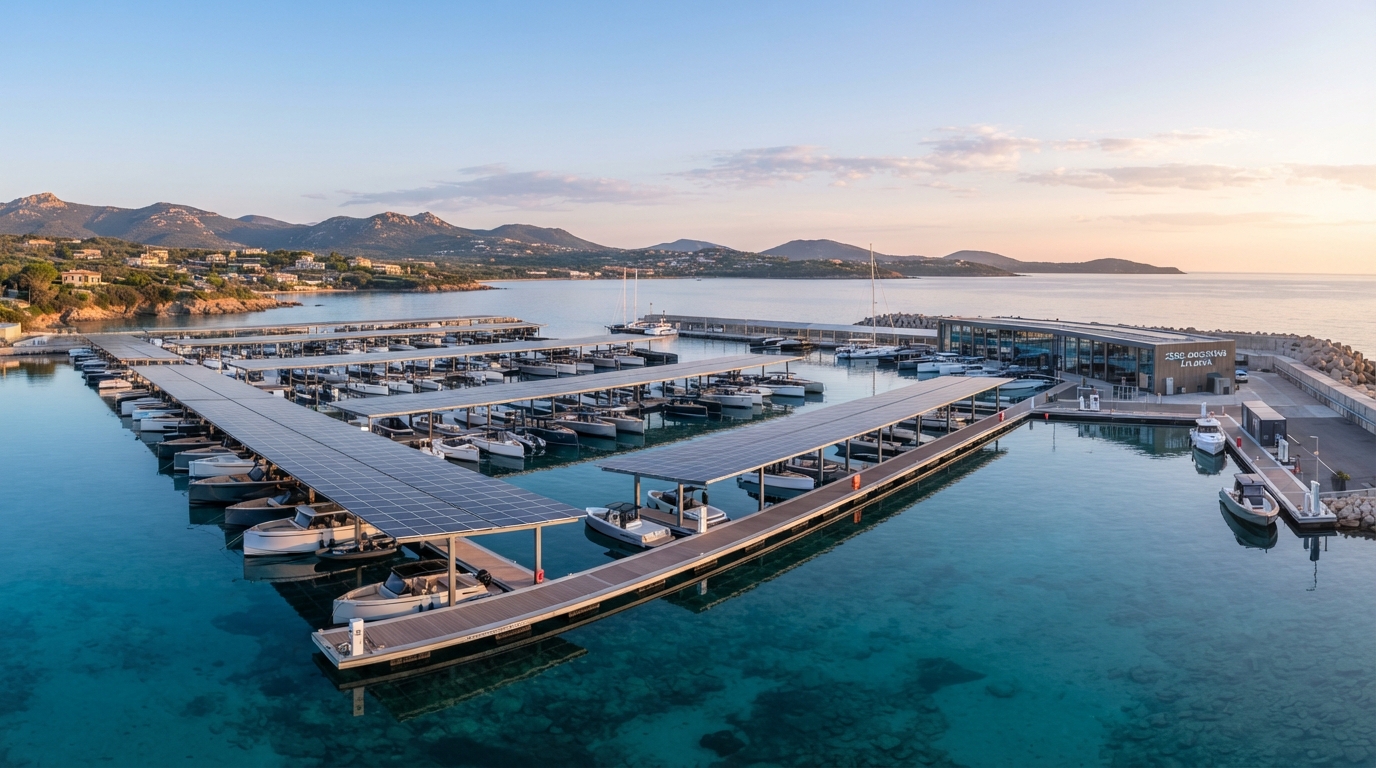
Governments worldwide are tightening marine regulations. Emissions, fuel spills, and noise are under scrutiny. Traditional designs face increasing restrictions and operational costs.
Electric and low-impact craft align more naturally with regulatory goals. As a result, designers are incentivised to abandon legacy forms that depend on combustion engines and inefficient hulls.
In Australia, this trend is particularly pronounced in inland waterways and coastal zones where environmental protection is a priority.
Regulation is no longer an external consideration. It is shaping design choices directly.
Changing Use Cases and Lifestyles
Boats were once tools for transport, fishing, or racing. Modern watercraft serve broader purposes: recreation, fitness, exploration, rescue, and training.
These use cases demand versatility. Lightweight craft that launch easily. Low-draft platforms that access shallow water. Efficient designs that maximise usable time rather than peak speed.
Traditional boats optimised for singular roles struggle to adapt. New designs start from user intent rather than historical precedent.
What Replaces Traditional Design Thinking
The future of boat design is systems-based rather than form-based. Designers begin with performance goals, environmental constraints, and user experience, then build integrated solutions around electric propulsion, adaptive control, and advanced materials.
Hull shape becomes one variable among many, not the defining feature. Boats become responsive systems rather than static objects.
This represents a philosophical shift as much as a technical one.
Conclusion: Evolution Through Challenge
Traditional boat design is not failing. It is being outgrown. The principles that served humanity for centuries were shaped by the limitations of their time. Those limitations no longer exist.
Electric propulsion, digital control, materials science, and environmental responsibility are reshaping what watercraft can be. As a result, the old rules are being questioned, tested, and increasingly replaced.
The challenge to traditional design is not rebellion for its own sake. It is the natural outcome of progress.
See More at www.vectorwatercraft.com.au.