
Underwater exploration has historically been limited by physical capability, equipment constraints, and environmental factors. Traditional diving requires training, endurance, and a willingness to operate within relatively narrow boundaries. While underwater scooters have expanded these boundaries to some extent, they have remained largely functional tools rather than transformative technologies.
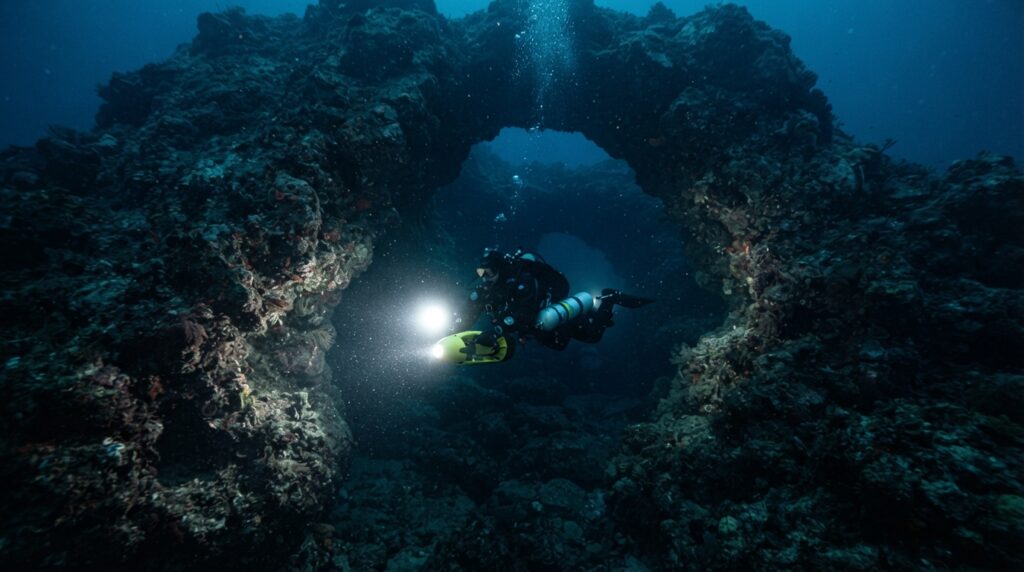
Devices such as the H9-1 Sub Runner represent a shift toward a new model of underwater exploration—one that emphasises accessibility, immersion, and enhanced mobility. The question is whether this shift represents a temporary innovation or a long-term direction for the industry.
This article explores the broader trends shaping underwater mobility, examining how devices like the Sub Runner fit into the future of exploration, recreation, and commercial application.
The Evolution of Underwater Mobility
Traditional Diving
- physically demanding
- limited range
- dependent on skill
Underwater Scooters
- extended range
- reduced effort
- still tool-based
Integrated Mobility Devices
The Sub Runner represents:
- a more immersive experience
- enhanced control
- greater accessibility
Technology Driving the Shift
Electric Propulsion
- efficient
- reliable
- low maintenance
Battery Systems
- improved energy density
- extended use time
Design Integration
- user-device interaction
- improved ergonomics
Consumer Trends
Demand for Experience
Users increasingly seek:
- immersive activities
- unique experiences
Accessibility
Reducing barriers allows:
- broader participation
- new user groups
Commercial Opportunities
Tourism
- guided underwater experiences
- premium offerings
Recreation
- expanded exploration
- enhanced engagement
Australian Market Context
Australia offers:
- world-class marine environments
- strong diving culture
- growing tourism demand
Challenges to Adoption
- cost
- learning curve
- environmental awareness
Long-Term Outlook
Short-Term
- niche adoption
- early adopters
Medium-Term
- increased awareness
- broader use
Long-Term
- integration into mainstream underwater recreation
Comparison to Other Technologies
Part of broader trend toward:
- electrification
- efficiency
- accessibility
Strategic Implications
Devices like the Sub Runner will:
- complement traditional diving
- expand exploration possibilities
Conclusion
The H9-1 Sub Runner and similar devices represent a meaningful evolution in underwater mobility. While they will not replace traditional diving or scooters, they are likely to become an increasingly important part of the underwater exploration landscape, particularly as technology continues to advance and accessibility improves.