
For more than a century, power on the water has been associated with noise. The growl of engines, the roar of exhaust, and the acoustic dominance of motorised craft became symbols of capability, freedom, and speed. Loudness was not merely tolerated; it was often celebrated as proof of performance.
That association is now breaking down.
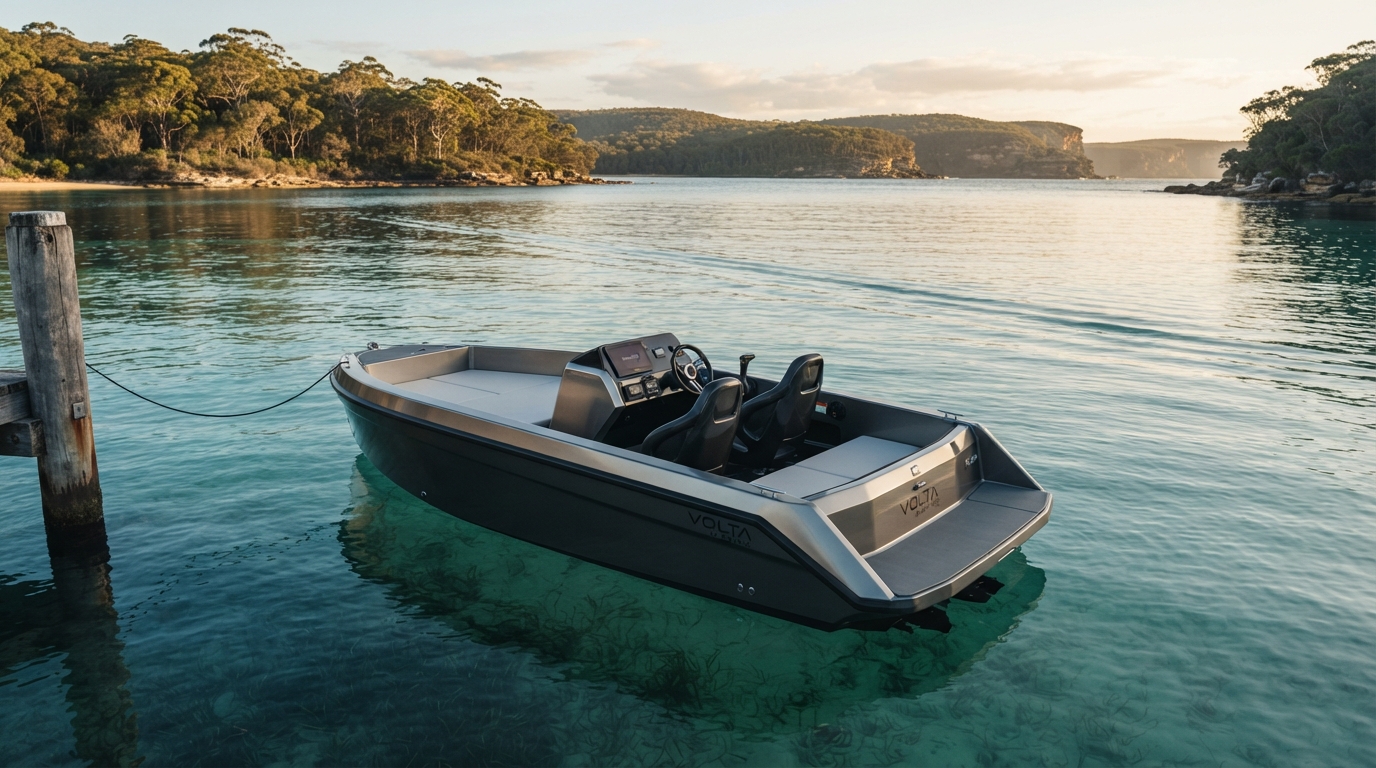
Quiet craft—enabled by electrification, refined hull design, and intelligent control systems—are steadily replacing loud power across recreational, professional, and institutional water use. This shift is not driven by nostalgia or regulation alone. It is driven by superior outcomes: better access, broader acceptance, improved safety, reduced fatigue, and alignment with how people now want to use shared waterways.
Noise is no longer a badge of strength. It is increasingly a liability.
Why noise dominated watercraft design
Noise dominance was historically unavoidable.
Internal combustion engines generate sound as a by-product of explosions, exhaust flow, mechanical friction, and vibration. Marine engines, operating under variable loads and often without extensive muffling, amplified these effects.
Early watercraft designers focused on reliability and power delivery. Noise reduction added cost, weight, and complexity without offering clear commercial advantage. Waterways were less crowded, environmental sensitivity was lower, and public tolerance was higher.
As a result, loudness became normalised. It shaped expectations, regulations, and even culture around water sports.
That context no longer exists.
Noise as a constraint in modern waterways
Modern waterways are shared spaces.
Recreational users coexist with swimmers, paddlers, anglers, waterfront residents, wildlife, and commercial activity. Noise travels efficiently over water, extending impact far beyond the immediate vicinity of a craft.
What was once acceptable now generates complaints, restrictions, and resistance.
Noise has become one of the primary reasons access is limited or revoked. Speed limits, exclusion zones, and outright bans often trace back to acoustic impact rather than safety incidents alone.
In this environment, loud power restricts where and when watercraft can operate. Quiet craft expand it.
Electrification removes the noise source
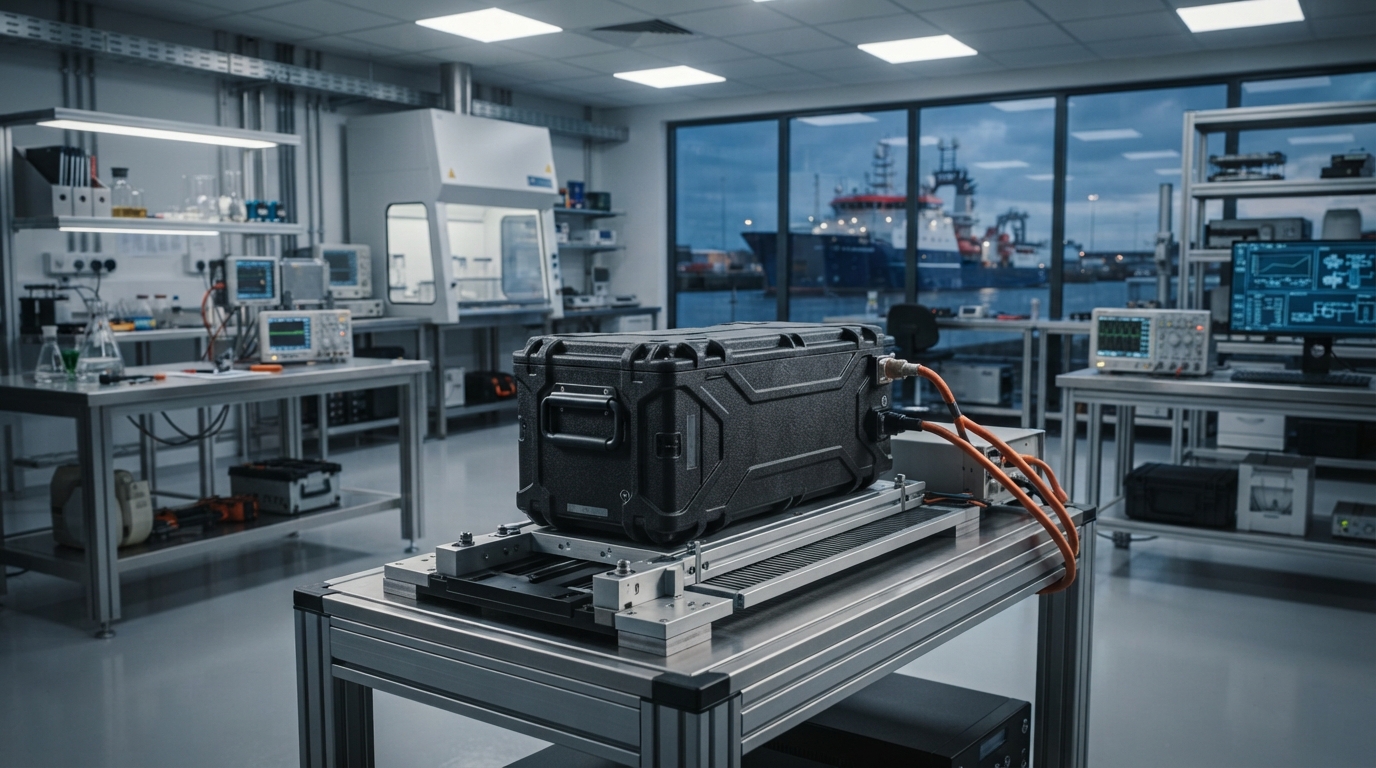
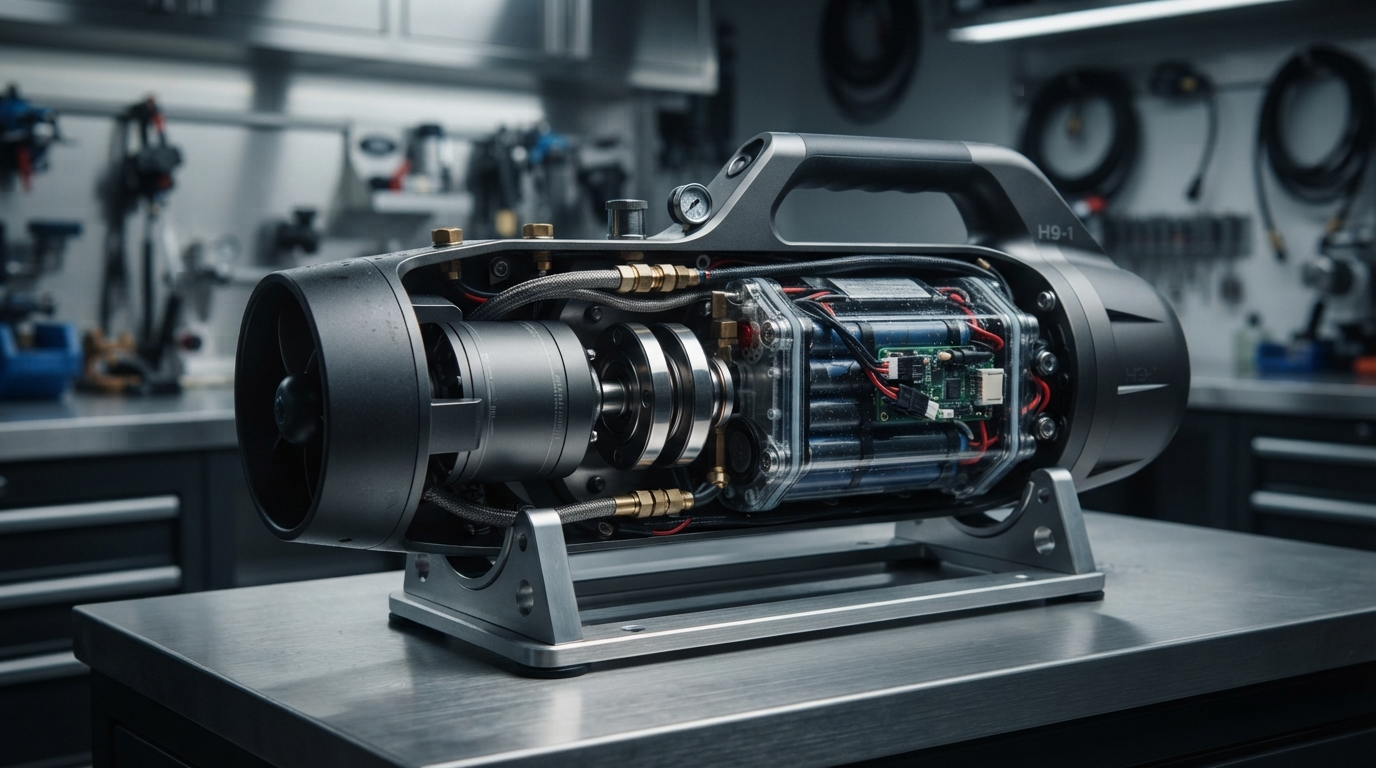
Electric propulsion eliminates the primary sources of marine noise.
There is no combustion, no exhaust, and minimal mechanical vibration. What remains is hydrodynamic sound and a subdued electric whine, often masked by ambient water noise.
This change is profound.
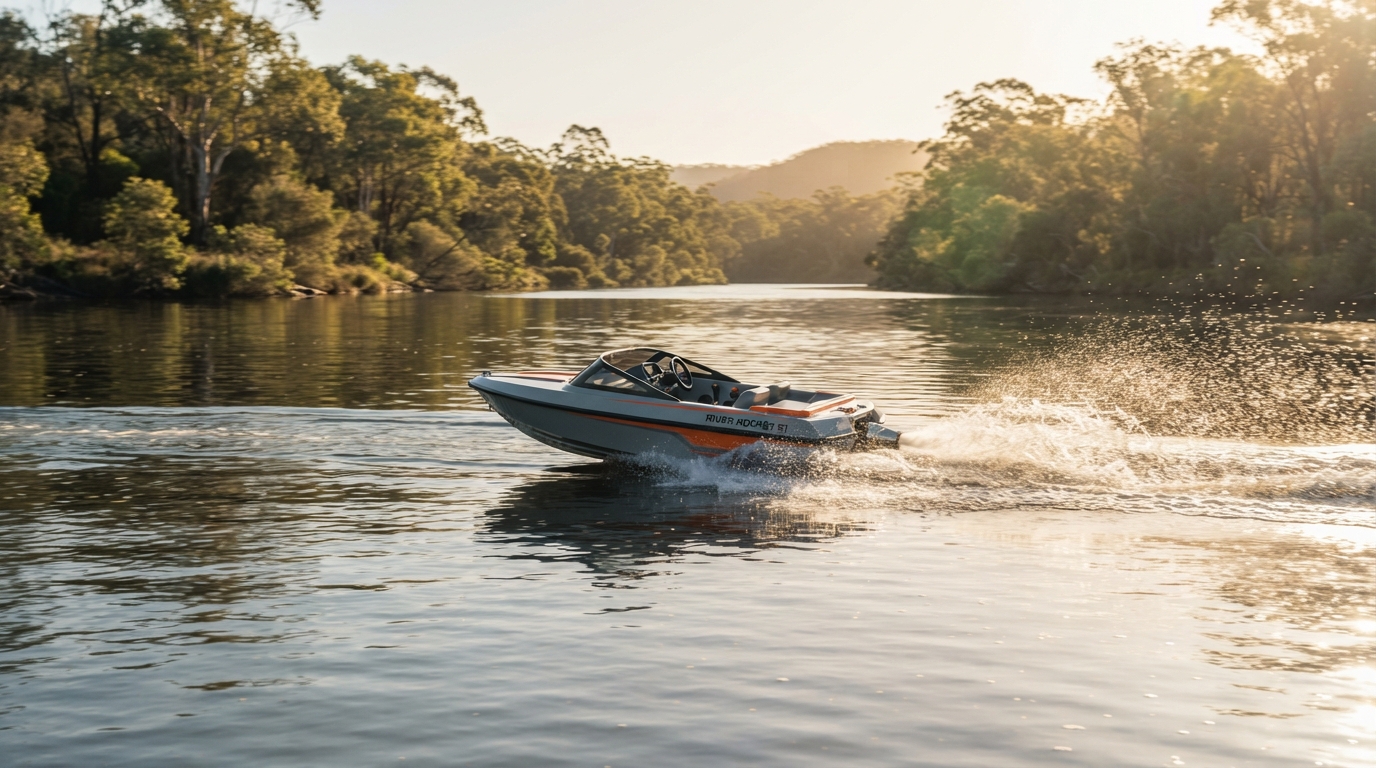
Quiet operation allows powered craft to operate in environments previously reserved for non-motorised use. Lakes, rivers, harbours, and environmentally sensitive zones become accessible without conflict.
Noise reduction is not an add-on. It is inherent.
Quiet craft improve user experience
Noise affects more than bystanders. It affects operators.
Prolonged exposure to engine noise contributes to fatigue, stress, and reduced situational awareness. Communication becomes difficult. Subtle cues from the environment are masked.
Quiet craft change the experience fundamentally.
Operators can hear the water, wind, and surroundings. They can communicate without shouting. They can remain engaged longer without fatigue.
This improves enjoyment, safety, and overall quality of time on the water.
Recreation becomes immersive rather than intrusive.
Wildlife and environmental compatibility
Aquatic environments are acoustically sensitive.
Many species rely on sound for navigation, communication, and predator avoidance. Engine noise disrupts these behaviours, often far beyond visible disturbance.
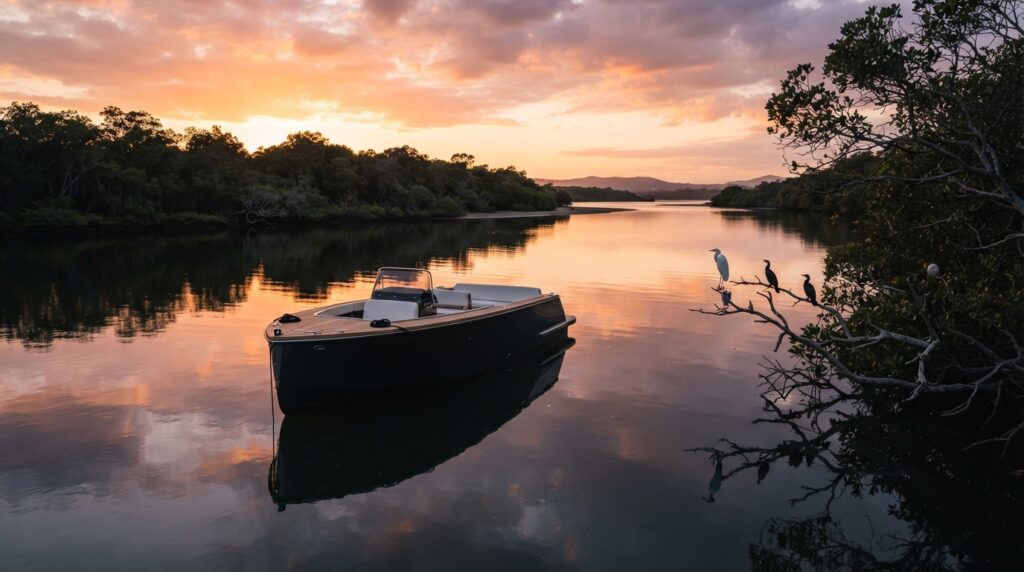
Quiet craft dramatically reduce acoustic footprint. They allow watercraft activity to coexist with wildlife rather than displace it.
This compatibility is increasingly important as conservation priorities shape access rules. Quiet craft are welcomed where loud power is restricted.
Environmental acceptance becomes a competitive advantage.
Access expands as noise falls
One of the clearest impacts of quiet craft is expanded access.
Noise restrictions are among the most common limitations imposed by councils, park authorities, and waterway managers. These restrictions often persist even where emissions and wake are controlled.
Quiet craft address the root concern directly.
As a result, they gain approval in places where traditional powercraft are unwelcome. Inland waterways, urban rivers, protected bays, and residential areas become viable.
Access follows acceptance.
Safety benefits of quiet operation
At first glance, quiet craft may seem to introduce risk by reducing audible warning. In practice, the opposite is often true.
Loud craft mask environmental sounds and create cognitive overload. Operators focus on managing noise rather than observing surroundings.
Quiet craft promote awareness.
Combined with predictable behaviour, controlled acceleration, and intelligent alert systems, quiet operation enhances safety rather than diminishing it.
Safety becomes a function of behaviour and visibility, not volume.
Professional adoption leads the transition
Professional users are among the strongest advocates for quiet craft.
Rescue services, councils, environmental agencies, and patrol units operate in sensitive environments where noise undermines effectiveness. Quiet operation improves communication, reduces community impact, and allows closer approach without disturbance.
These users prioritise outcomes over tradition.
As professional fleets transition, public perception shifts. Quiet craft become associated with capability and authority rather than compromise.
Recreational adoption follows.
Loud power loses its performance advantage
Historically, noise was linked to power because power required combustion.
Electric propulsion breaks that link.
Quiet craft can deliver immediate torque, smooth acceleration, and precise control without acoustic aggression. Performance is no longer announced audibly.
In many contexts, quiet power outperforms loud power—particularly at low speeds, during manoeuvring, and in variable conditions.
Noise ceases to correlate with capability.
Reduced fatigue and longer sessions
Noise contributes significantly to operator fatigue.
Even when hearing protection is used, vibration and low-frequency sound increase stress and reduce endurance. This limits session length and enjoyment.
Quiet craft allow longer, more relaxed use. Operators finish sessions less tired and more satisfied.
This increases frequency of use, not just intensity.
For many users, that matters more than peak speed.
Cultural shift in what power means
Cultural perceptions of power are evolving.
In many domains, refinement, control, and efficiency have replaced brute force as markers of advancement. The same shift is occurring on the water.
Quiet craft signal modernity, responsibility, and confidence. Loud power increasingly signals disruption and disregard.
As younger demographics enter water sports, this cultural realignment accelerates.
What once impressed now irritates.
Regulation follows social expectation
Regulation rarely leads culture. It follows it.
As communities demand quieter waterways, regulators respond with noise limits, restricted hours, and access controls. Loud craft face increasing friction.
Quiet craft, by contrast, align naturally with emerging rules.
They reduce enforcement burden, simplify compliance, and avoid conflict.
This alignment speeds adoption.
Infrastructure-free compatibility
Quiet craft support infrastructure-free use.
They can be deployed near residential areas without complaint. They can operate early or late without disturbance. They can coexist with other activities.
This flexibility reinforces the broader shift toward decentralised, spontaneous water recreation.
Noise-free operation removes one of the last barriers to true independence.
Market differentiation through silence
Manufacturers increasingly recognise silence as a differentiator.
Quiet operation signals advanced engineering, premium quality, and thoughtful design. It is difficult to fake and immediately perceptible.
As buyers become more discerning, noise becomes a negative specification rather than a neutral one.
The quietest craft will increasingly command the highest trust.
Addressing the “audible presence” argument
A common argument for loud craft is that noise alerts others to presence.
Modern safety design addresses this more effectively through visibility, predictability, and targeted alerts rather than constant noise pollution.
Directional lights, controlled trajectories, optional proximity alerts, and intelligent signalling provide situational awareness without continuous disturbance.
Safety does not require shouting.
The economics of quiet power
Quiet craft often deliver lower operating costs.
Reduced maintenance, lower energy cost, and longer component life improve total cost of ownership. As adoption scales, upfront costs continue to fall.
Economics reinforce preference.
Quiet power is not only better behaved. It is increasingly better value.
Resistance from legacy culture
Some resistance remains, often rooted in nostalgia rather than evidence.
For those accustomed to equating noise with excitement, quiet craft feel unfamiliar. This resistance diminishes rapidly with exposure.
Once experienced, quiet power is rarely rejected.
Silence becomes addictive.
Long-term implications for water sports
As quiet craft proliferate, the soundscape of waterways will change.
Water sports will integrate more harmoniously with communities and ecosystems. Conflicts will decline. Access will expand.
This does not mean the end of excitement or performance. It means the end of unnecessary disturbance.
Power becomes something you feel, not something you broadcast.
The long-term outlook
Quiet craft will replace loud power because they are better suited to modern realities.
They offer access where noise excludes. They deliver performance without disruption. They reduce fatigue, improve safety, and align with environmental and social expectations.
This transition is already underway.
In the future of water sports technology, silence will not mean weakness.
It will mean progress.
See More at www.vectorwatercraft.com.au